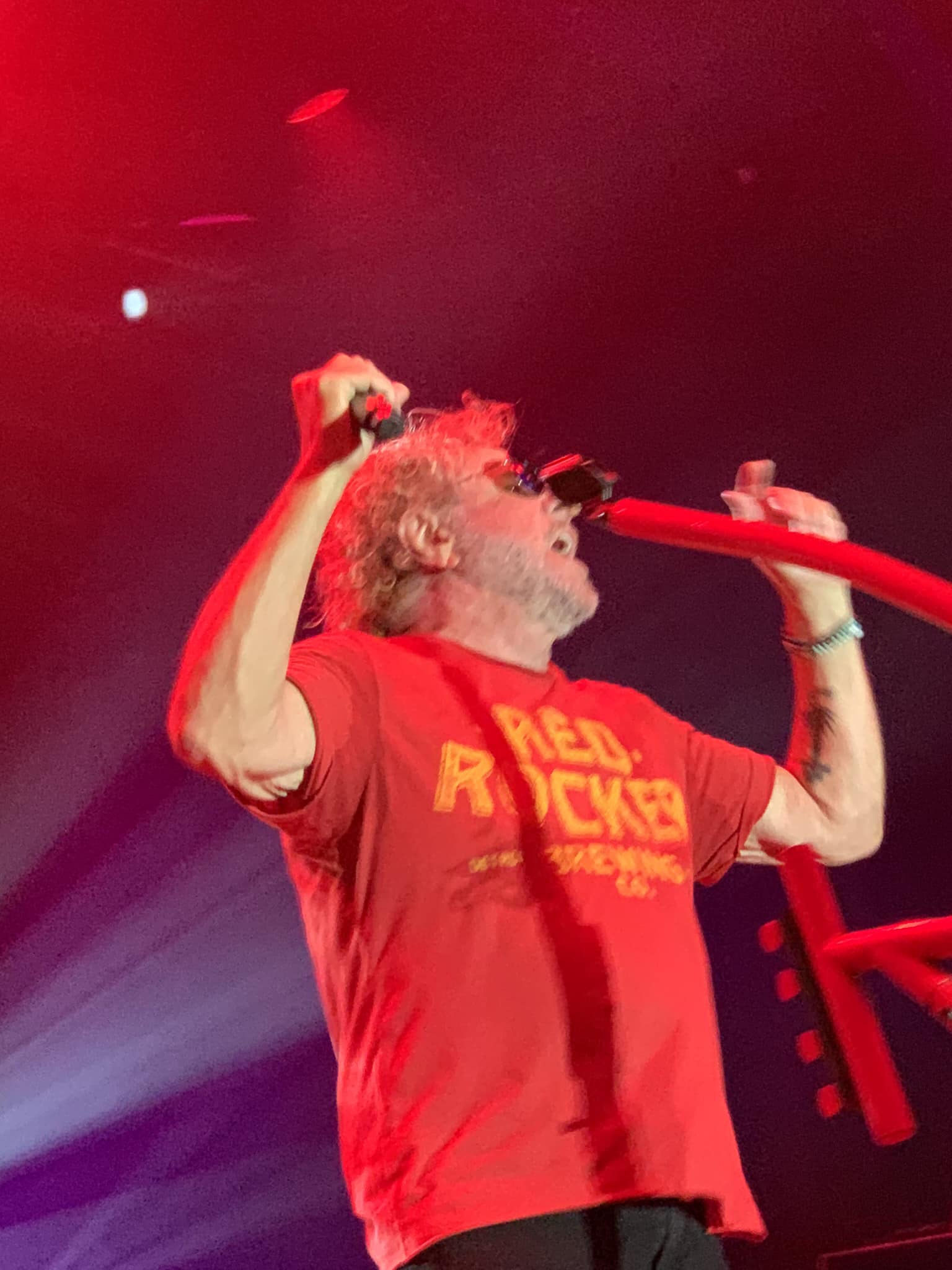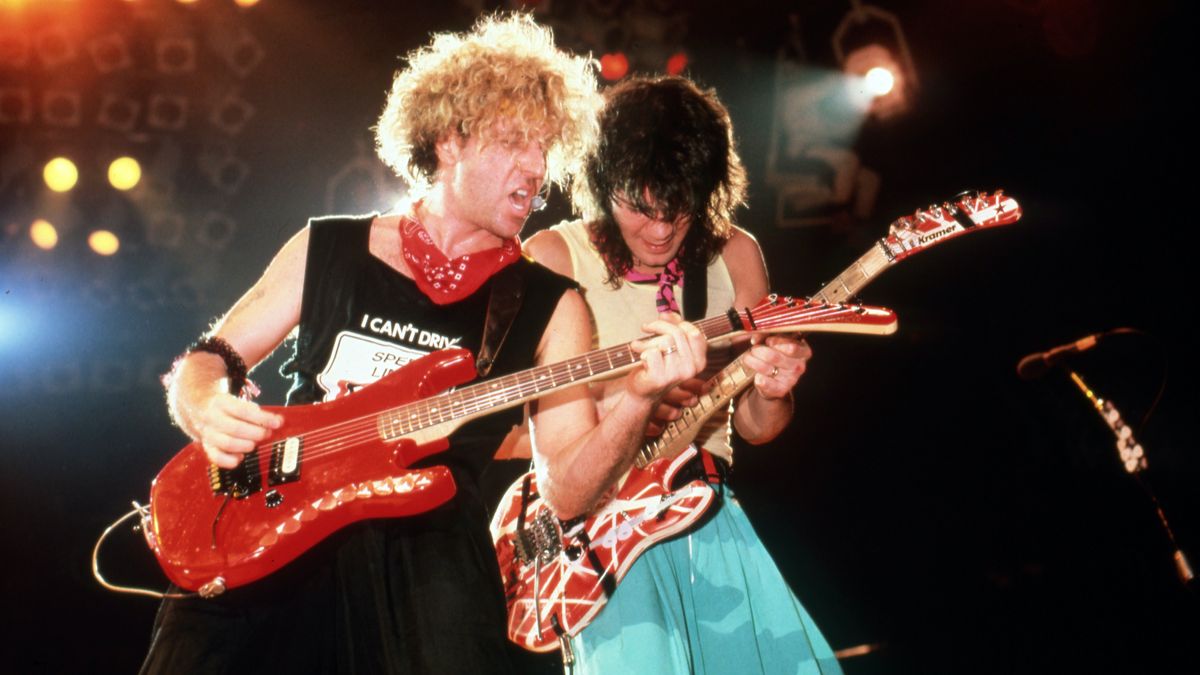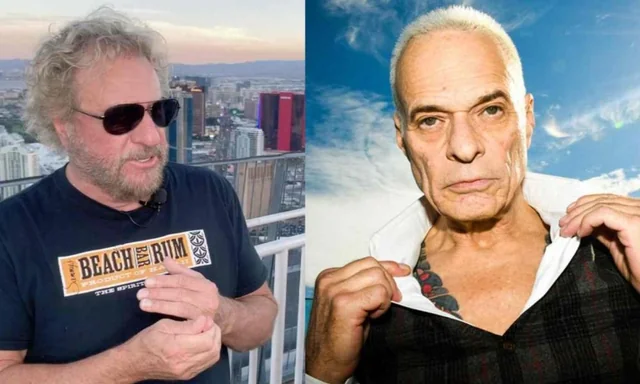
Ask ten classic rock fans about Sammy Hagar’s influence on rock music and you’ll probably get ten different answers. Some immediately point to the Van Halen years. Others go straight to the solo hits — “I Can’t Drive 55,” “Heavy Metal,” “There’s Only One Way to Rock.” And then there are the diehard Roth loyalists who still argue Hagar softened Van Halen into radio-friendly arena rock.
But here’s the thing: whether people fully admit it or not, Sammy Hagar helped reshape mainstream hard rock across three different decades.
That’s not exaggeration.
Truth be told, Hagar’s influence isn’t always flashy or easy to define because he wasn’t a revolutionary in the way Eddie Van Halen was. He didn’t reinvent guitar playing. He didn’t create an entirely new genre. What he did instead was arguably harder in some ways — he bridged worlds. Heavy rock and pop melody. Blue-collar grit and arena-level polish. Party energy and emotional sincerity. A lot of bands followed that formula later, even if they rarely gave the Red Rocker proper credit.
Sammy Hagar Helped Make Melodic Hard Rock Mainstream
Before Sammy Hagar joined Van Halen, he’d already spent years shaping the sound that eventually dominated American rock radio in the 1980s.
Most fans don’t realize that.
Albums like Standing Hampton in 1981 and Three Lock Box in 1982 blended muscular guitar riffs with giant singalong choruses long before glam metal exploded commercially. Hagar understood melody instinctively. That separated him from many harder-edged contemporaries who leaned entirely on aggression.
And honestly, the timing mattered.
Rock music was shifting fast after the late ’70s. Punk had challenged bloated arena rock. New wave introduced sharper hooks and cleaner production. Meanwhile, audiences still craved power and volume. Sammy Hagar found a middle ground that felt modern without abandoning hard rock completely.
You could argue that bands throughout the Sunset Strip scene borrowed pieces of that balance. Bon Jovi, Night Ranger, even later Def Leppard records carried traces of the formula Hagar had already been exploring — accessible melodies wrapped inside loud guitars and larger-than-life energy.
To be fair, he rarely gets discussed alongside those innovators. But the fingerprints are there if you listen closely enough.
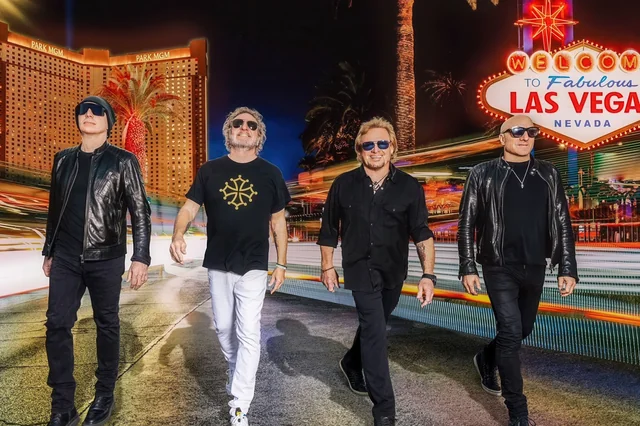
The Van Halen Years Expanded What Arena Rock Could Sound Like
This is where the conversation gets complicated.
When Sammy Hagar joined Van Halen in 1985, fans expected disaster. Replacing David Lee Roth felt impossible emotionally. Roth embodied chaos, swagger, and that wild Southern California party mythology. Hagar brought something entirely different.
Musicianship.
That word still annoys some people in the Hagar vs Roth debate, but it matters. Eddie Van Halen himself repeatedly said Hagar allowed the band to explore more harmonically and emotionally sophisticated material. Songs like “Dreams,” “Love Walks In,” and “Right Now” pushed Van Halen beyond pure party rock into something broader and arguably more mature.
What’s interesting is how much later rock bands absorbed that evolution.
Without the Hagar-era Van Halen records, it’s harder to imagine the emotional ambition of countless mainstream hard rock acts from the late ’80s and early ’90s. Suddenly it became acceptable for arena rock bands to combine technical guitar playing with introspective lyrics and keyboard textures without immediately losing credibility.
Some fans hated that shift. Still do.
But commercially? It worked brilliantly. 5150, OU812, For Unlawful Carnal Knowledge, and Balance all hit No. 1. That success changed the expectations of what mainstream hard rock albums could sound like.
And Sammy was central to that transformation whether critics liked it or not.
Sammy Hagar’s Vocals Influenced More Singers Than People Admit
Eddie Van Halen gets discussed endlessly — deservedly — for changing guitar culture forever. Sammy Hagar’s voice, on the other hand, often gets strangely overlooked in conversations about influential rock vocalists.
Which honestly makes no sense.
The guy could sing. Seriously sing.
Hagar combined power with clarity in a way many hard rock singers struggled to match. He could belt aggressively without sounding shredded or sloppy. Listen to live recordings from the 5150 tour or tracks like “Eagles Fly” and “Finish What Ya Started.” The control is remarkable.
Most fans focus so heavily on the personality clash between Hagar and Roth that they forget how technically demanding many Sammy Hagar songs actually were vocally. Those melodies weren’t easy.
And his influence spread quietly across generations of melodic rock singers. You hear echoes of Hagar’s phrasing and emotional directness in artists ranging from Kip Winger to later post-grunge vocalists who blended arena-sized choruses with more grounded emotional delivery.
Truth be told, Sammy also helped normalize a less theatrical style of frontman in mainstream hard rock. Roth performed like a cartoon superhero. Hagar came across more like a real guy standing center stage. That relatability resonated with a lot of musicians who followed.
Especially once the excess of ’80s glam culture started fading.
The Red Rocker Proved Rock Stars Could Survive Aging Differently
This influence matters culturally as much as musically.
Classic rock history is full of artists destroyed by the very image they created. Drugs. Ego. Financial collapse. Self-destruction. Sammy Hagar somehow avoided most of those traps while staying visible and relevant for decades.
And younger artists noticed.
The Red Rocker helped redefine what longevity could look like in rock music. He embraced business without fully abandoning authenticity. He kept touring aggressively while maintaining humor about aging. He treated fans more like companions than worshippers.
That approach shaped later generations of musicians who realized survival mattered more than maintaining some permanently tragic rock-star mythology.
What’s interesting is how openly Hagar celebrated joy in a genre often obsessed with darkness and self-seriousness. Songs like “Mas Tequila” or “Top of the World” carried genuine optimism without sounding completely corny. That balance is harder than people think.
In many ways, Sammy normalized the idea that rock musicians didn’t have to become tortured recluses to preserve credibility.
They could actually enjoy life.
And honestly, that message became increasingly valuable as classic rock audiences grew older themselves.
His Live Performance Style Changed Arena Rock Energy
Go watch old footage from a Sammy Hagar-era Van Halen concert. Not just the famous clips. The deeper live cuts.
The energy feels different from many arena bands of the time.
Hagar talked constantly between songs. Joked with the crowd. Pulled audiences into the performance instead of simply performing at them. There was a looseness to it all that made giant stadiums feel strangely personal.
That mattered.
A lot of hard rock frontmen in the 1980s operated with exaggerated mystique or aggressive posturing. Sammy leaned into camaraderie instead. Fans didn’t just watch him. They felt invited into the experience.
You could argue that approach influenced countless live acts later, especially bands that prioritized audience connection over pure spectacle. Even some country-rock and post-grunge performers borrowed elements of that accessible, conversational stage presence.
And here’s the thing people sometimes forget: Hagar’s audiences were incredibly loyal. That doesn’t happen accidentally over multiple decades.
Part of the reason fans kept coming back was because Sammy projected genuine enthusiasm every night. He still seemed excited to be there, even after years of touring. That authenticity translated live in ways many technically superior performers never quite mastered.
Why Sammy Hagar’s Influence Feels Bigger Now Than It Did Then
Maybe the strangest part of Sammy Hagar’s influence on rock music is that it’s become easier to appreciate with time.
Back during the peak Hagar vs Roth years, everything felt polarized. Fans picked sides emotionally. Critics sometimes dismissed Sammy because he represented a more polished era of Van Halen. Meanwhile, grunge arrived in the early ’90s and suddenly a lot of melodic hard rock got unfairly lumped together as outdated.
But history softens those battles eventually.
Now people can step back and see the bigger picture. They can recognize how many rock bands borrowed from Hagar’s blend of melody, energy, humor, and emotional accessibility. They can hear how albums like 5150 quietly expanded the possibilities of mainstream hard rock. They can appreciate the fact that Sammy Hagar survived multiple eras of music without becoming a parody of himself.
And honestly, maybe that’s the most important influence of all.
Because somewhere between the Ferraris, the tequila jokes, the Van Halen drama, and the endless debates over classic rock legacy, Sammy Hagar kept reminding people that rock music was supposed to connect emotionally first. Not just impress critics. Not just win arguments.
Connection. Energy. Escape. Big choruses blasting from car speakers on summer nights.
A lot of artists chased that feeling.
The Red Rocker actually delivered it.