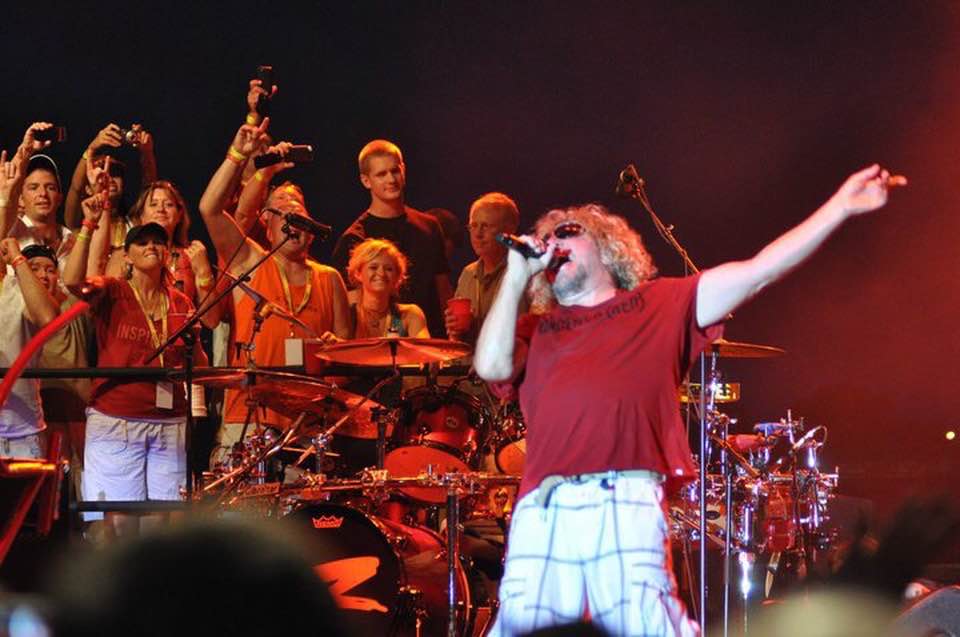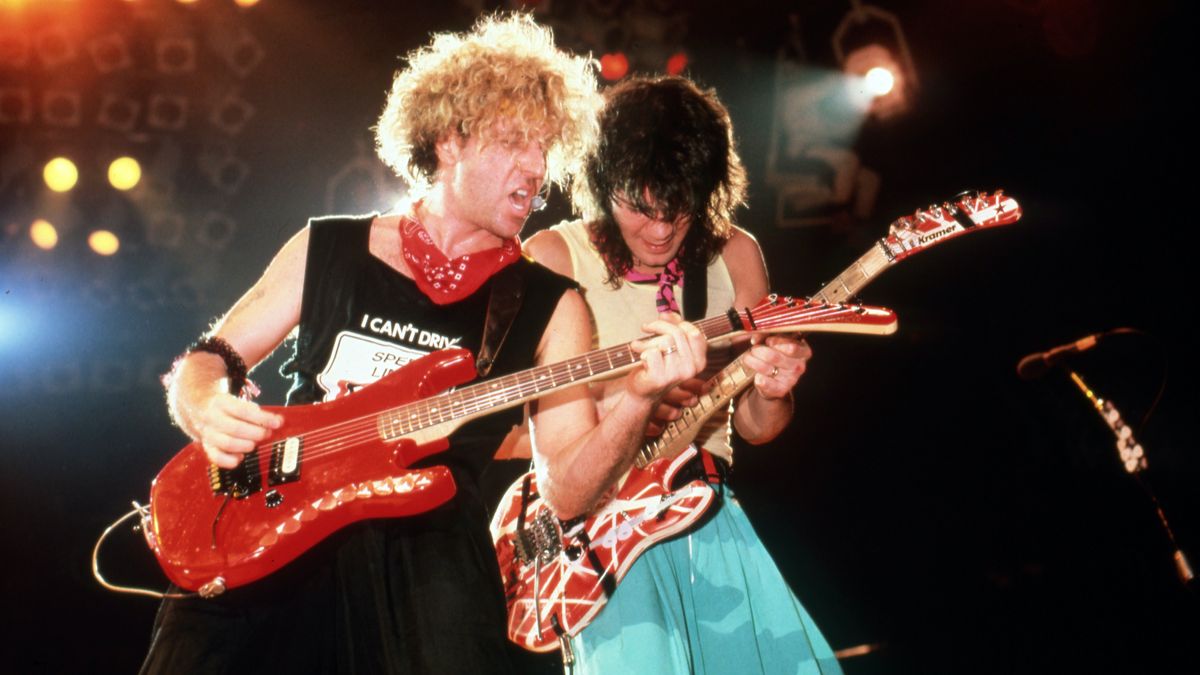
There’s a moment in the 1991 For Unlawful Carnal Knowledge tour when Sammy Hagar and Eddie Van Halen lock into “Right Now,” and the entire thing feels bigger than hard rock. Bigger than ego. Bigger than the endless Hagar vs Roth argument that still divides fans decades later. It’s just chemistry. Pure musical electricity.
That’s really the story behind the best Sammy Hagar collaborations. They worked because Hagar never approached music like a lone-wolf genius protecting his spotlight. He fed off other musicians. Great ones. Loud ones. Difficult ones. Sometimes the partnerships exploded spectacularly. Sometimes they burned out in public. But when they clicked, the results became part of American classic rock history.
And honestly, that ability to connect with wildly different personalities might be the most underrated reason Sammy Hagar stayed relevant for over fifty years.
Van Halen Changed Everything — Especially With Eddie Van Halen
You can’t talk about Sammy Hagar collaborations without starting here.
When Hagar joined Van Halen in 1985 after David Lee Roth left, most fans expected disaster. To be fair, replacing Roth was almost impossible emotionally. Roth wasn’t just a frontman — he was the attitude of early Van Halen. The grin. The danger. The California chaos.
But here’s the thing: Hagar brought musicianship the band desperately needed at that stage.
The chemistry between Hagar and Eddie Van Halen became instantly obvious on 5150 in 1986. Songs like “Dreams,” “Summer Nights,” and “Love Walks In” expanded the emotional range of the band without killing the energy. Eddie’s keyboards suddenly had room to breathe, and Hagar’s huge vocal range could carry melodies Roth probably wouldn’t have touched.
What’s interesting is that Eddie himself often described Hagar as easier to musically collaborate with because Sammy actually wanted to write structured songs together. Roth-era Van Halen thrived on swagger and improvisation. The Hagar years leaned harder into composition and melody.
Fans still fight over which era mattered more. Honestly, they both changed rock in different ways. But if you think about pure collaboration chemistry, Hagar and Eddie created some of the most emotionally layered music Van Halen ever recorded.
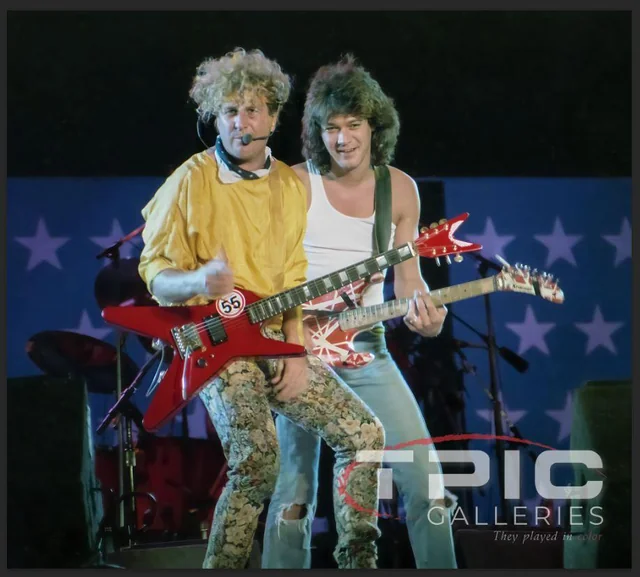
Montrose Was Sammy Hagar’s First Great Musical Partnership
Most younger rock fans know Hagar from Van Halen. Old-school hard rock fans know the real foundation started with Montrose in the early ’70s.
And man, that band hit like a truck.
Hagar’s collaboration with guitarist Ronnie Montrose produced one of the most influential debut albums in hard rock history. The self-titled Montrose album from 1973 still sounds dangerous today. “Rock Candy” alone practically became a blueprint for arena rock drumming and riff writing.
The relationship between Hagar and Ronnie Montrose wasn’t exactly smooth. In fact, the story gets complicated fast. Ronnie was notoriously controlling in the studio, while Hagar already had ambitions beyond simply being a singer-for-hire. Tension built quickly.
Still, that friction created something special.
There’s a rawness in those recordings you don’t hear later in Sammy Hagar songs from the polished Van Halen era. Hagar sounds hungry. Aggressive. Like he’s trying to prove he belongs in the same room as the heavyweights of the decade.
And truth be told, he was.
A lot of future rock musicians — including members of bands that exploded in the late ’70s Sunset Strip scene — openly cited Montrose as a massive influence. That collaboration didn’t just launch Sammy’s career. It quietly helped shape American hard rock itself.
The Chickenfoot Project Was Better Than Anyone Expected
Supergroups usually disappoint people. That’s just rock history.
Too many egos. Too much nostalgia. Too many musicians trying to recreate old magic instead of building new chemistry. But Chickenfoot somehow avoided most of those traps.
When Hagar teamed up with Joe Satriani, Michael Anthony, and Chad Smith in 2008, expectations were weirdly low. Fans assumed it would be a fun side project with a couple decent songs.
Instead, the band sounded alive.
The self-titled Chickenfoot album in 2009 had genuine bite. Tracks like “Oh Yeah,” “Sexy Little Thing,” and “Future in the Past” captured the looseness that many fans felt later-era Van Halen sometimes lacked. Satriani’s technical brilliance pushed Hagar vocally in a way few guitarists had since Eddie.
Most fans don’t realize how important Michael Anthony’s presence was here too. His backing vocals had always been part of the Van Halen sound, and hearing them alongside Hagar again triggered instant nostalgia for longtime listeners.
The chemistry felt natural because nobody seemed desperate to prove anything. That matters. Chickenfoot sounded like four veteran musicians actually having fun, which is surprisingly rare in classic rock collaborations.
Sammy Hagar and Michael Anthony Shared a Brotherhood Beyond Van Halen
Some collaborations aren’t really about hit songs. They’re about loyalty.
That’s the story with Hagar and Michael Anthony.
While relationships inside Van Halen fractured repeatedly over the years, Hagar and Anthony remained remarkably close. You saw it after the 2004 Van Halen reunion tour, which became infamous for tension, inconsistent performances, and Eddie Van Halen’s struggles at the time. Hagar later admitted parts of that tour were emotionally difficult.
But Anthony stayed in Sammy’s corner.
That partnership continued through projects like The Circle, where the band blended Van Halen material with Led Zeppelin covers and Hagar solo tracks. And honestly, there’s a warmth to those performances longtime fans immediately recognize.
You could argue Anthony became the bridge between multiple eras of Sammy’s career. He connected the Van Halen years to the post-Van Halen survival phase. That continuity gave fans something emotionally grounding after decades of lineup drama and public feuds.
In many ways, their friendship became symbolic of what fans wanted classic rock to be about in the first place — camaraderie, shared history, and music that still means something after the headlines fade.
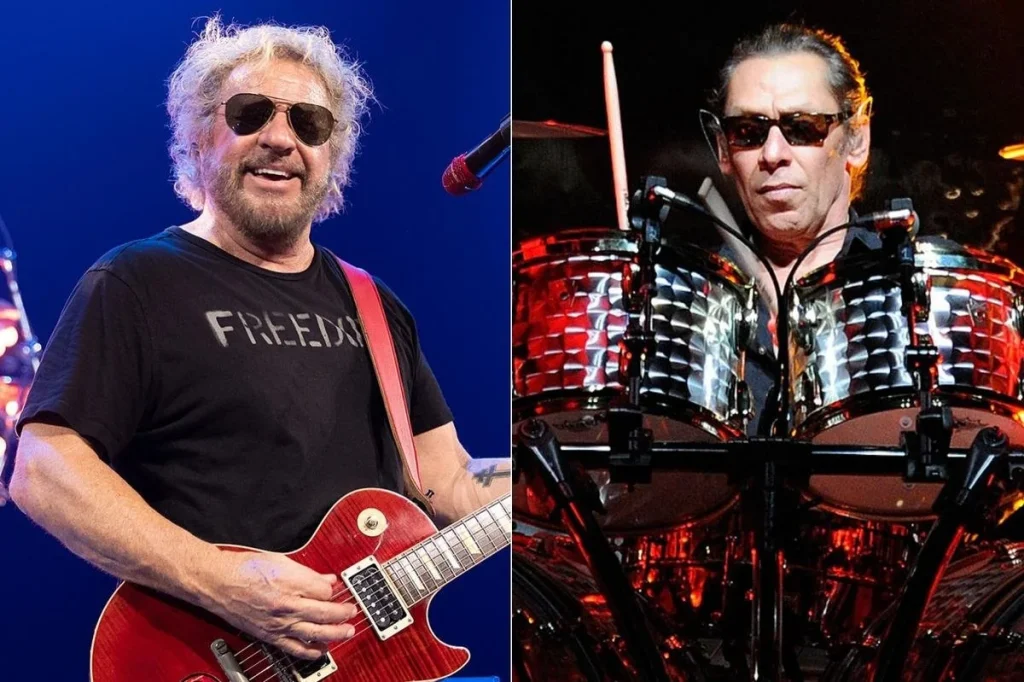
Collaborating With Rival Personalities Made Sammy Stronger
One reason Sammy Hagar’s best collaborations stand out is because they rarely happened under easy circumstances.
Think about the personalities involved.
Eddie Van Halen was famously unpredictable and obsessive in the studio. Ronnie Montrose could be intensely controlling. Even within Chickenfoot, Joe Satriani’s precision-heavy approach came from a completely different musical world than Hagar’s loose party-rock instincts.
Yet Sammy usually adapted.
That’s important because rock history is full of singers who couldn’t collaborate long-term without imploding. Hagar had conflicts, absolutely. The Hagar vs Roth discourse alone became one of classic rock’s longest-running civil wars. But Sammy generally found ways to meet musicians halfway creatively.
And that flexibility made his collaborations stronger.
Listen carefully to “Dreams,” then jump to “Rock Candy,” then to a Chickenfoot track like “Learning to Fall.” Different decades. Different musicians. Different production styles. Yet Hagar somehow sounds believable in all of them.
That’s harder than people think.
A lot of singers carry one identity forever. Sammy evolved depending on who surrounded him musically, while still sounding unmistakably like the Red Rocker.
Why These Collaborations Still Matter to Classic Rock Fans
The older you get, the more you realize classic rock wasn’t built by isolated geniuses sitting alone in studios. It came from collisions. Strong personalities smashing into each other creatively and emotionally.
That’s why Sammy Hagar’s collaborations still resonate.
Whether you prefer Roth-era Van Halen or the more melodic Hagar years probably says something about your personality as a fan. Some people want danger and unpredictability. Others connect more with emotion and musicianship. Neither side is wrong.
But what’s fascinating about Hagar is how many different worlds he successfully entered. Heavy ’70s hard rock with Montrose. Arena domination with Van Halen. Modern supergroup energy with Chickenfoot. Even now, he still carries that restless need to connect with other players instead of simply touring off old hits alone.
And maybe that’s why these collaborations continue to matter emotionally for fans in their forties, fifties, and sixties. They aren’t just songs anymore. They’re timestamps. Summer nights. Old concert tickets stuffed in drawers. Long drives with the windows down while “Right Now” blasted through blown speakers.
The musicians themselves got older. Some are gone now. Eddie Van Halen especially left a hole in rock music that still feels strange years later.
But those collaborations remain frozen in time.
Loud. Imperfect. Human.
Just like the era that created them.