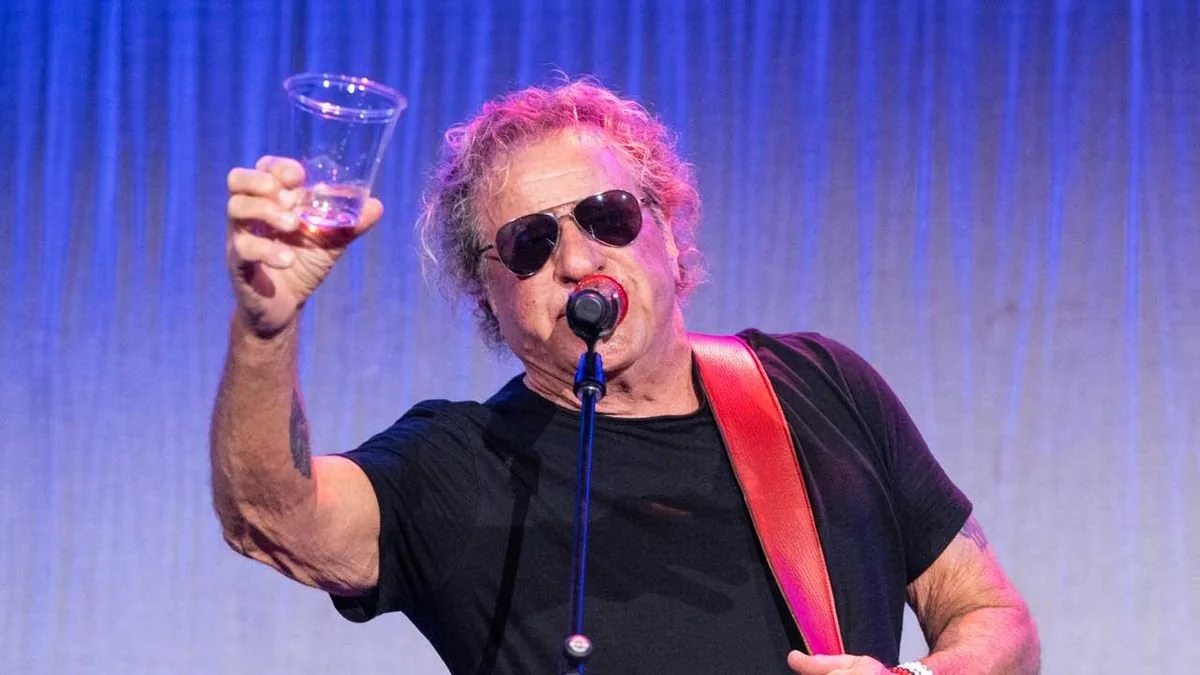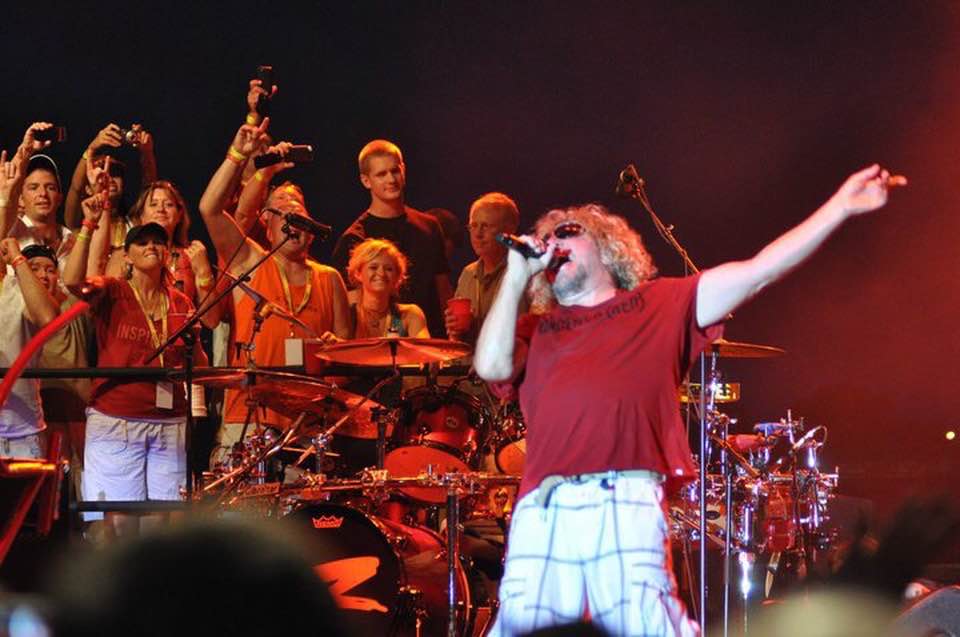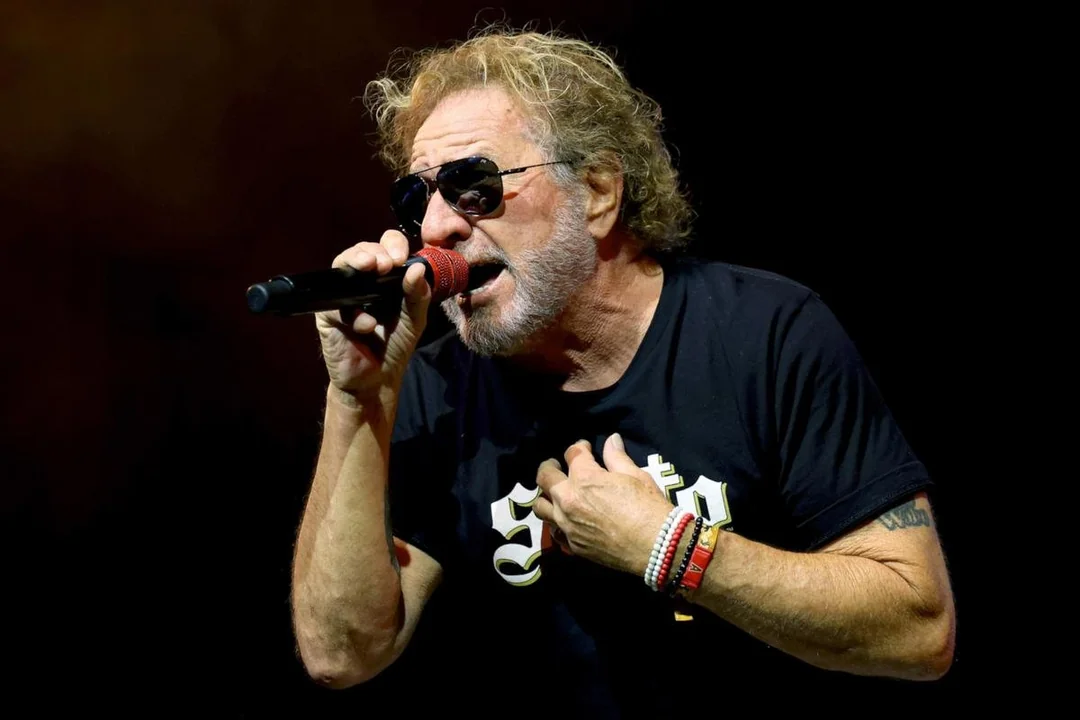
To really understand what inspired Sammy Hagar’s music, you have to picture America moving fast.
Desert highways. Working-class California neighborhoods. Loud engines. Cheap beer. FM radio blasting through open car windows while hard rock still felt dangerous and hopeful at the same time. That atmosphere runs through Sammy Hagar songs like electricity. Even when the lyrics turn emotional or reflective, there’s usually motion underneath them. Freedom. Escape. Survival.
And honestly, that’s why Sammy never sounded exactly like anyone else.
The Red Rocker image sometimes distracted people from how personal his music actually was. Fans saw the Ferraris, the Cabo lifestyle, the Van Halen drama, the endless “Hagar vs Roth” arguments. But underneath all that noise was a songwriter heavily shaped by working-class struggle, California culture, classic rock ambition, and a surprisingly emotional view of life.
Truth be told, Sammy Hagar’s music came from experience more than image.
That’s the difference.
He didn’t invent a fantasy world for listeners. He invited them into the one he genuinely loved living in — loud, messy, optimistic, emotional, and always moving forward.
Working-Class California Shaped Everything
Most fans don’t realize how deeply Sammy’s early life influenced his songwriting.
Born in Salinas, California, in 1947 and raised partly in Fontana, Sammy grew up around economic instability and family struggles. His father reportedly battled alcoholism, and money was often tight. That reality mattered. It gave Sammy a hunger you can hear even in the earliest recordings with Montrose during the early 1970s.
Songs like “Rock Candy” and “Bad Motor Scooter” weren’t polished art-school rock experiments. They sounded physical. Tough. Earned.
What’s interesting is that Sammy never fully abandoned that working-class energy, even after wealth and fame arrived. A lot of rock stars eventually drift into detached celebrity coolness. Sammy always sounded more grounded than that. Fans believed him because he still projected gratitude alongside confidence.
And honestly, California itself became one of his biggest inspirations too.
Not glamorous Hollywood fantasy California.
Open-road California.
Beach highways. Muscle cars. Endless summers. Freedom. You can hear it in tracks like I Can’t Drive 55, but also in deeper cuts throughout his solo career. His music often feels like movement itself — emotionally and physically.
That restless energy became central to the Red Rocker identity.
Hard Rock Heroes Lit the Original Fire
Like most great classic rock singers, Sammy Hagar built his sound by absorbing influences before transforming them into something personal.
And honestly, you can hear multiple generations of rock history inside his voice.
Early on, artists like Little Richard, Elvis Presley, and soul-influenced rock singers helped shape his sense of vocal excitement and emotional release. Later, heavier British acts like Led Zeppelin and Deep Purple expanded his understanding of hard rock power.
But Sammy never became a copy of those artists.
That’s the key.
What’s interesting is how melodic his instincts remained even during aggressive songs. Unlike some metal singers who focused purely on intensity, Sammy always cared about hooks and emotional accessibility. That’s why even hard-driving tracks usually contain huge choruses audiences can scream together live.
You could argue that balance helped Sammy survive changing musical eras better than many peers.
By the late ’70s and early ’80s, hard rock risked becoming either overly macho or emotionally cold. Sammy’s music kept warmth inside it. Even the loudest songs carried traces of joy, vulnerability, or humor.
That emotional openness later became crucial when he joined Van Halen in 1985.
Because suddenly those melodic instincts had a perfect musical partner in Eddie Van Halen.
Eddie Van Halen Changed Sammy’s Creative Direction
The Van Halen years transformed Sammy Hagar creatively in ways some fans still underestimate.
Before joining Van Halen, Sammy’s songwriting leaned heavily toward straightforward hard rock and arena-ready solo material. But Eddie Van Halen pushed him into more atmospheric territory emotionally and musically.
That shift changed everything.
Songs like “Dreams,” “Love Walks In,” and “Right Now” revealed a different side of Sammy entirely. Suddenly the music carried larger emotional themes — ambition, hope, fear, reflection, relationships, mortality. Eddie’s keyboard-driven arrangements opened spaces Sammy hadn’t explored as deeply before.
And honestly, Sammy responded brilliantly.
To be fair, some longtime Van Halen fans preferred the raw chaos of the David Lee Roth era. That debate will probably continue forever. Roth brought swagger and unpredictability that nobody else could replicate.
But Sammy brought emotional lift.
That’s why the “Hagar vs Roth” argument became so intense in the first place. The two singers inspired entirely different emotional reactions from audiences. Roth represented danger and rebellion. Sammy represented connection and aspiration.
What’s fascinating is that Eddie himself reportedly appreciated Sammy’s melodic writing instincts enormously during their strongest years together. The chemistry felt genuine for a long time. You can hear it all over albums like 5150 and For Unlawful Carnal Knowledge.
The story got messy personally later on, of course.
But musically? That partnership expanded Sammy’s emotional range permanently.
Cars, Freedom, and Escape Became Recurring Themes
If you think about Sammy Hagar songs for more than five minutes, one theme keeps returning constantly:
Freedom.
That’s the emotional engine behind so much of his music.
Cars became symbolic of it first. Fast driving. Open highways. Motion without limits. But honestly, the deeper idea was always escape — from stress, from expectations, from confinement, from ordinary life itself.
That’s why I Can’t Drive 55 connected so powerfully beyond the catchy chorus. The song captured frustration with restriction in general, not just speed limits. Fans heard rebellion inside it. Movement. Independence.
And those themes continued long after the solo years.
Even Sammy’s lifestyle eventually reflected the same inspiration sources. Cabo Wabo. Tequila culture. Endless touring. Outdoor concerts. Summer-party energy. The music and the life started blending together emotionally.
Truth be told, Sammy inspired fans partly because he genuinely seemed to believe joy mattered.
That sounds simple, but it’s actually pretty rare in rock music.
A lot of legendary artists built identities around darkness, alienation, or destruction. Sammy certainly explored heartbreak and anger at times — especially after leaving Van Halen — but optimism usually returned eventually. Songs like “Best of Both Worlds” and “Right Now” feel emotionally hopeful in ways many hard-rock bands never attempted.
That optimism became one of his defining artistic signatures.
Relationships and Real Emotion Fueled the Best Songs
One reason Sammy Hagar’s music lasted across decades is because the emotional material usually came from real experiences rather than manufactured rock-star fantasy.
You can hear it clearly in songs like “Little White Lie” after the Van Halen breakup. Or “When It’s Love.” Or “Remember the Heroes.” Even “Dreams,” arguably the emotional centerpiece of the Hagar-era Van Halen catalog, carries a very human vulnerability underneath the arena-sized production.
Sammy rarely sounded emotionally detached.
That matters.
Especially in classic rock, where some artists protected themselves behind irony or exaggerated image-building. Sammy often sounded emotionally available instead. Fans felt like they were hearing the actual person underneath the Red Rocker branding.
And honestly, that transparency probably explains why fans remained loyal even through messy periods later in his career. The public feuds with Eddie Van Halen became painful at times, but audiences generally believed Sammy was speaking honestly from his perspective.
That trust carried over into the music too.
Most fans don’t realize how difficult emotional sincerity actually is in arena rock. Huge choruses and loud guitars can easily become hollow if the singer doesn’t sound believable. Sammy’s voice usually carried enough warmth and vulnerability to ground even the biggest songs emotionally.
That human quality kept the music alive beyond trends.
Why Sammy’s Inspirations Still Connect Today
Honestly, the reason Sammy Hagar’s music still resonates comes down to one thing:
His inspirations were recognizable.
Not abstract art-school concepts. Not carefully manufactured celebrity mythology. Real life. Cars. Friendship. Fear. Freedom. California summers. Broken relationships. Hope. Growing older. Escaping pressure for a few hours with loud music and people you love.
Fans understand those emotions instinctively.
Especially classic rock fans who grew up attaching songs to road trips, parties, heartbreaks, old friendships, and moments they can never fully get back. Sammy’s music lives inside those memories because it came from emotional spaces ordinary people recognize immediately.
Somewhere tonight, somebody’s driving home with “Dreams,” “Right Now,” or “There’s Only One Way to Rock” blasting through aging speakers, feeling younger for four minutes while old memories rush back unexpectedly.
That reaction doesn’t happen because of branding.
It happens because Sammy Hagar always wrote music inspired by life as he genuinely experienced it — loud, emotional, imperfect, hopeful, and always chasing the feeling that freedom might still be waiting somewhere just beyond the next highway curve.