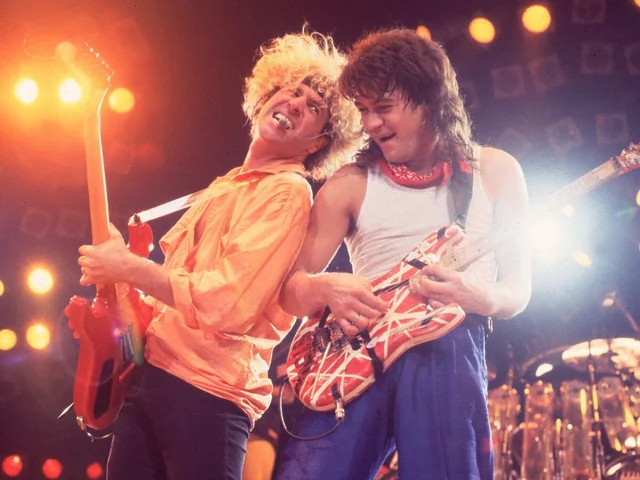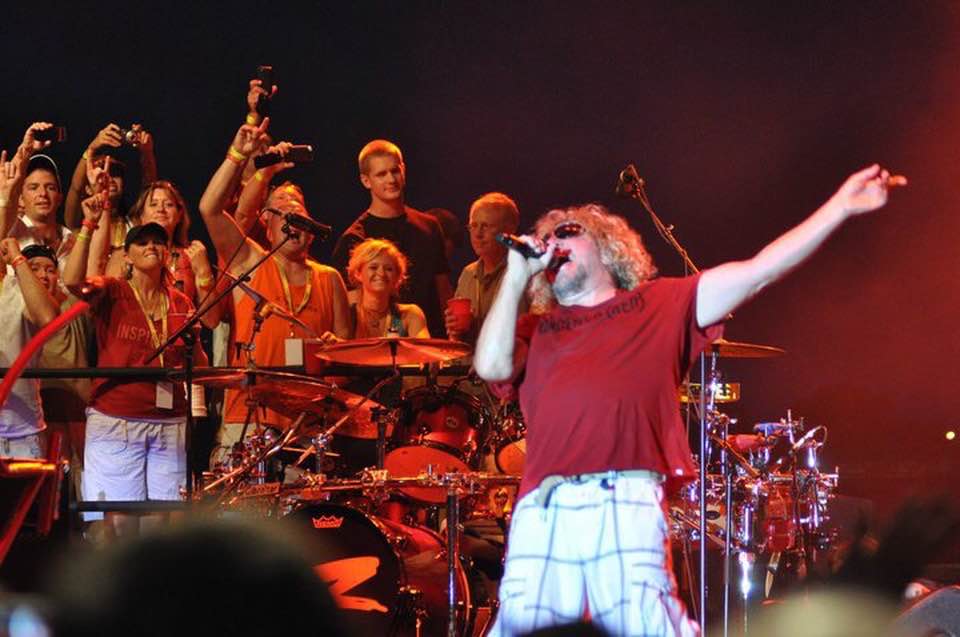
Ask longtime Sammy Hagar fans where the Red Rocker lives now, and most will probably answer with one word immediately:
Cabo.
And honestly, they wouldn’t be completely wrong.
Because even though Sammy Hagar owns property in California and has deep roots there stretching back decades, Cabo San Lucas has become so tied to his identity that it almost feels like an extension of his personality at this point. The beaches. The tequila. The music. The late-night jam sessions. The birthday bashes. That whole sunburned, loud, endlessly energetic lifestyle people associate with him — it all points south toward Mexico.
But the real answer is more interesting than a simple celebrity-address story.
Truth be told, where Sammy Hagar lives now says a lot about who he became after Van Halen, after the massive arena tours, after the endless “Hagar vs Roth” debates, and after the music industry itself changed beyond recognition.
Because Sammy didn’t retreat quietly into private luxury the way many aging rock stars do. He built an entire lifestyle around community, celebration, and staying connected to fans. And somehow, against all odds, he made that feel authentic instead of calculated.
That’s rare.
Especially in classic rock, where nostalgia can sometimes start feeling like a business strategy instead of genuine passion.
With Sammy, the line between life and brand blurred years ago. Yet somehow it still feels real.
California Was Always Sammy Hagar’s True Home Base
Long before Cabo became part of the mythology, Sammy Hagar was pure California rock and roll.
Not Hollywood California, either.
Northern California.
That distinction matters more than people think.
Born in Salinas in 1947 and later raised in Fontana, Sammy’s connection to the West Coast shaped virtually every phase of his career. The car culture. The open-road imagery in so many I Can’t Drive 55-era performances. The beach-party vibe that followed him into the solo years and eventually into Van Halen. It all came from that environment.
Even today, most reports and interviews place Sammy primarily in California when he’s not spending time in Mexico.
For years, he owned a well-known estate in Mill Valley, just north of San Francisco. Fans who followed his career closely often heard him talk about Marin County as a peaceful contrast to the chaos of touring life. And honestly, it fits him perfectly. That part of California has always attracted musicians, artists, and aging rock veterans who still want beauty and privacy without completely disappearing from society.
What’s interesting is that Sammy never really embraced the stereotypical Los Angeles rock-star lifestyle full-time the way some of his peers did. Sure, the industry required him to spend time in Southern California during the big years. But spiritually? He always felt more connected to Northern California’s laid-back energy.
You can hear it in his music too.
Even the harder-edged Sammy Hagar songs often carry this sense of freedom and open space rather than urban darkness. Compare that to many Sunset Strip bands from the same era and the difference becomes obvious immediately.
And honestly, that California identity helped distinguish him from David Lee Roth during the Van Halen years. Roth felt theatrical and New York-influenced in his swagger. Sammy felt coastal. Relaxed. More grounded.
Different energies entirely.
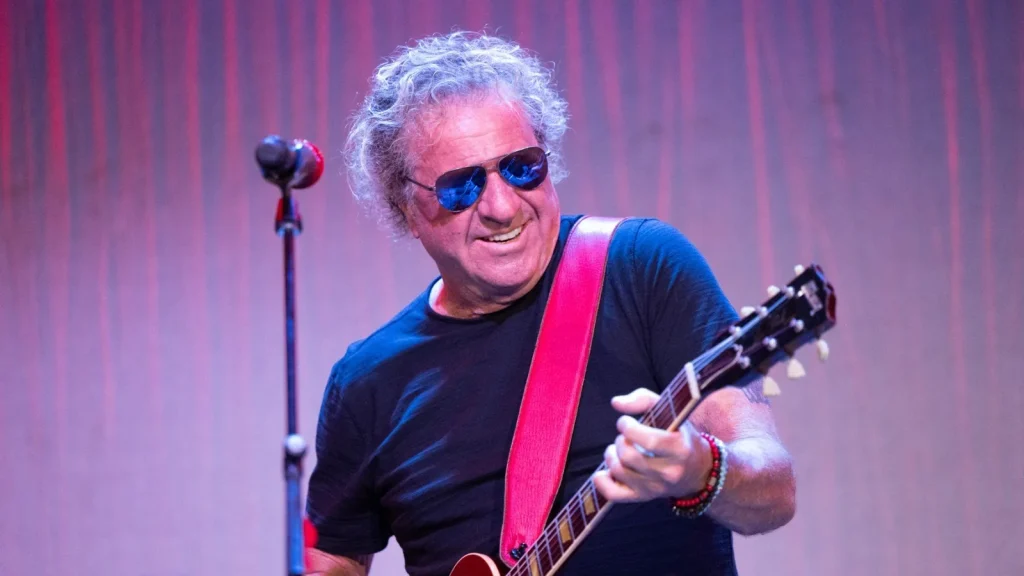
Cabo San Lucas Became More Than a Vacation Spot
Here’s where the story really changes.
Most fans know about Cabo Wabo Cantina. But fewer realize how deeply Cabo San Lucas transformed Sammy Hagar’s entire life.
The relationship started during the 1980s, when Sammy began vacationing in Cabo regularly. At the time, the town was still far quieter and less commercialized than the massive tourist destination it later became. Musicians, surfers, and adventurous travelers loved it precisely because it felt loose and untamed.
Sammy fit right in.
Then in 1990, during the height of his Van Halen fame, he opened Cabo Wabo Cantina. At first, it wasn’t meant to become some gigantic empire. By most accounts, Sammy genuinely wanted a place where friends could gather, musicians could jam, and fans could experience the atmosphere he loved so much.
And somehow, against all odds, it grew into one of the most recognizable celebrity-linked nightlife spots in rock culture.
Truth be told, Cabo eventually stopped feeling like Sammy’s getaway and started feeling like his second home. Maybe even his emotional home.
That distinction matters.
Because after the messy Van Halen breakup in 1996, Cabo became part of his reinvention. While other classic rock stars struggled with aging, Sammy leaned harder into the lifestyle people already associated with him. The tequila business exploded. The annual Birthday Bash events became legendary. Fans traveled from across America just to spend a weekend immersed in the Red Rocker atmosphere.
And unlike some celebrity ventures that feel weirdly artificial, Cabo Wabo worked because Sammy genuinely seemed happiest there.
You could see it in interviews. Onstage performances. Even casual appearances.
The pressure disappeared.
Most fans believe Cabo gave Sammy something the music industry rarely provides: balance.
The Cabo Lifestyle Changed His Public Image Forever
If you think about it, Sammy Hagar’s post-1990 identity became inseparable from the idea of escape.
Not escape in a dark or destructive sense.
Escape in the classic American-rock sense. Sunsets. Loud music. Friends. Freedom. No clocks. No corporate nonsense.
That’s what Cabo represented to fans.
And honestly, it may have saved Sammy from becoming trapped in pure nostalgia after Van Halen ended. Instead of endlessly reliving old glory days, he created a lifestyle that still felt alive and current.
That’s harder than it sounds.
A lot of legacy rock stars spend decades trying to recreate 1984 forever. Sammy evolved the brand without completely abandoning who he’d always been. Cabo Wabo Tequila became wildly successful because it felt connected to a real personality rather than a marketing committee.
And the homes themselves reflected that identity too.
Photos and interviews over the years showed spaces filled with guitars, cars, ocean views, bars, outdoor gathering areas, and recording setups. Not cold celebrity mansions designed for magazine spreads. Places that actually looked lived in.
That authenticity became central to Sammy’s appeal as he got older.
Even his friendships reflected it. Whether jamming with Michael Anthony, hanging around with Chad Smith, or bringing musicians into Cabo for impromptu performances, Sammy created environments that felt communal instead of exclusive.
To be fair, critics sometimes dismissed the whole Cabo lifestyle as overgrown frat-boy energy for aging rock stars.
I understand that criticism to a point.
But honestly? I think many people missed what fans connected to emotionally.
Sammy Hagar represented the idea that growing older didn’t necessarily mean becoming cynical.
And in classic rock culture, that optimism is surprisingly rare.
Life After Eddie Van Halen Felt More Reflective
The death of Eddie Van Halen in 2020 changed the emotional tone surrounding Sammy Hagar in a noticeable way.
Not completely. Sammy still tours. Still parties. Still performs. Still talks passionately about music and cars and tequila. But longtime fans probably noticed a more reflective side emerging too.
Especially when discussing Van Halen.
For years, the public relationship between Sammy and Eddie swung wildly between admiration and bitterness. The reunion years complicated things further. Old wounds never fully healed. Interviews became tense. Fans picked sides constantly.
Then Eddie died, and suddenly the arguments felt less important.
Sammy’s comments afterward carried genuine emotion. He spoke openly about regret, memories, friendship, and the strange complexity of creative partnerships. And honestly, that honesty made many older fans reassess him.
Because beneath all the “Red Rocker” branding and party mythology, Sammy has always been more emotionally transparent than people sometimes give him credit for.
That transparency shows up in his living choices too.
Even while maintaining homes and businesses connected to celebration, he increasingly seems focused on family, legacy, health, and meaningful relationships. Not withdrawal exactly. More like perspective.
And maybe that’s what makes Sammy Hagar’s current lifestyle so interesting to aging classic rock fans.
It doesn’t feel like denial.
It feels like adaptation.

Why Fans Are Still Fascinated by Where Sammy Lives
Most celebrity-home stories are ultimately pretty boring.
Big house. Expensive cars. Security gates. End of story.
But people keep asking where Sammy Hagar lives because the answer feels tied to a bigger fantasy about rock and roll itself.
The fantasy that maybe — just maybe — you can survive fame without becoming miserable.
That maybe you can age without losing joy.
That maybe the soundtrack blasting from your car stereo in 1986 still means something emotionally forty years later.
Sammy represents that possibility for a lot of fans.
Not perfectly. The story gets complicated sometimes. There were ugly feuds, divorces, business pressures, band breakups, and painful losses along the way. Real life never turns into a permanent beach party.
But compared to many of his peers, Sammy Hagar still seems remarkably connected to the excitement that made people love rock music in the first place.
And honestly, his homes reflect that spirit.
Part California freedom. Part Cabo escape. Part working musician hangout. Part rock-and-roll mythology built slowly over decades of tours, tequila, and survival.
Somewhere tonight, there’s probably music drifting through one of Sammy’s houses while old friends laugh around a table, guitars leaning against the wall nearby, stories getting louder as the evening goes on.
And if you grew up on classic rock, there’s something weirdly comforting about imagining that scene still exists.