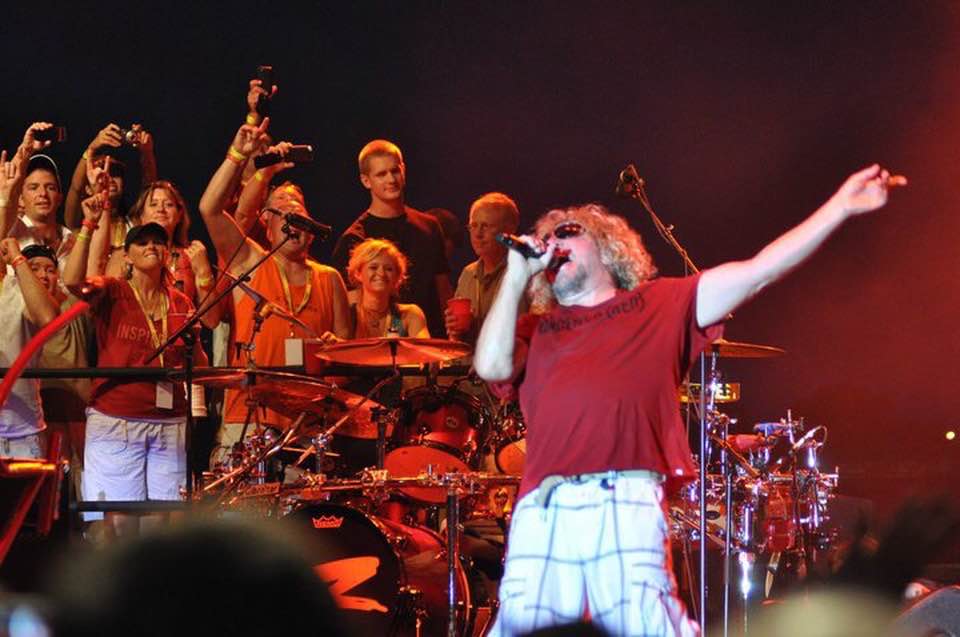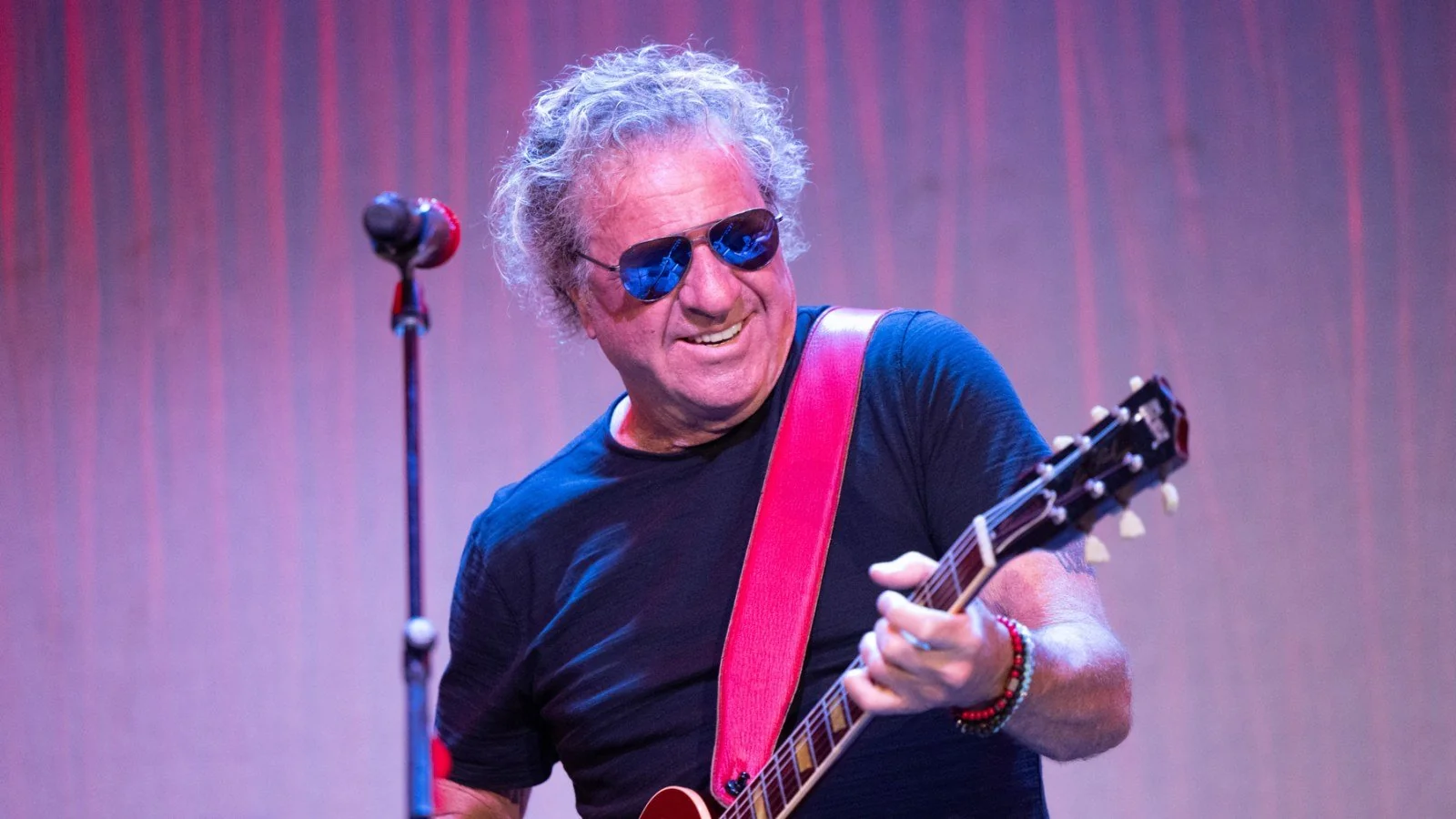
“What is Sammy Hagar’s real name?” sounds like one of those simple classic rock trivia questions you’d hear between songs on a late-night FM radio station.
But honestly, once you start pulling at that thread, the story gets much bigger than a name.
Because Sammy Hagar never really felt like a manufactured rock-star persona. He wasn’t hiding behind a mysterious stage identity the way some artists did in the glam era. No reinvention. No fake mythology. No elaborate costume designed by record executives trying to sell rebellion to suburban teenagers.
The guy fans came to know as the Red Rocker was, in many ways, exactly who he always was.
And maybe that authenticity explains why Sammy lasted while so many of his peers faded away.
Truth be told, the question about Sammy Hagar’s real name matters because it taps into something deeper about classic rock itself. Fans want to know who these people really were underneath the album covers, the arena lights, and the endless “Hagar vs Roth” debates that still somehow dominate rock conversations forty years later.
Especially with Sammy.
Because unlike some frontmen who always seemed larger than life, Hagar often came across like the coolest guy at the party who somehow also happened to front one of the biggest rock bands in America.
And the funny thing is, his real name sounds almost exactly like the man fans grew up watching onstage.
Sammy Hagar’s Real Name Is Samuel Roy Hagar
Yes. That’s it.
Samuel Roy Hagar.
No dramatic reinvention. No hidden Hollywood backstory. No clever marketing trick cooked up by a manager in the 1970s. “Sammy” simply evolved naturally from Samuel, the same way countless American nicknames do.
Here’s the thing, though — the simplicity actually fits him perfectly.
If you think about the history of hard rock and heavy metal, so many artists built exaggerated stage identities. Some changed names to sound darker, tougher, sexier, or more mysterious. Others created entire characters around themselves.
Sammy never really played that game.
Even when he became the full-blown “Red Rocker” during the late ’70s and early ’80s, there was always something surprisingly grounded about him. The Ferrari obsession, the tequila lifestyle, the California beach energy — sure, those became part of the mythology. But the guy underneath still felt recognizable.
And honestly, that helped him connect with audiences in a way critics sometimes underestimated.
Fans believed Sammy Hagar because he rarely sounded fake.
That authenticity goes all the way back to his upbringing. Born on October 13, 1947, in Salinas, California, Sammy grew up in a working-class environment far removed from the glamorous image people later associated with arena rock. His father reportedly struggled with alcoholism, and the family dealt with financial hardship throughout Sammy’s early years.
Most fans don’t realize how much those experiences shaped his personality later on.
There’s a reason Sammy always projected gratitude and hustle instead of detached rock-star cool. He came from instability. Music became the escape route.
And unlike many performers who seemed determined to distance themselves from their roots, Sammy Hagar carried those roots into every phase of his career — from Montrose to solo stardom to Van Halen and beyond.
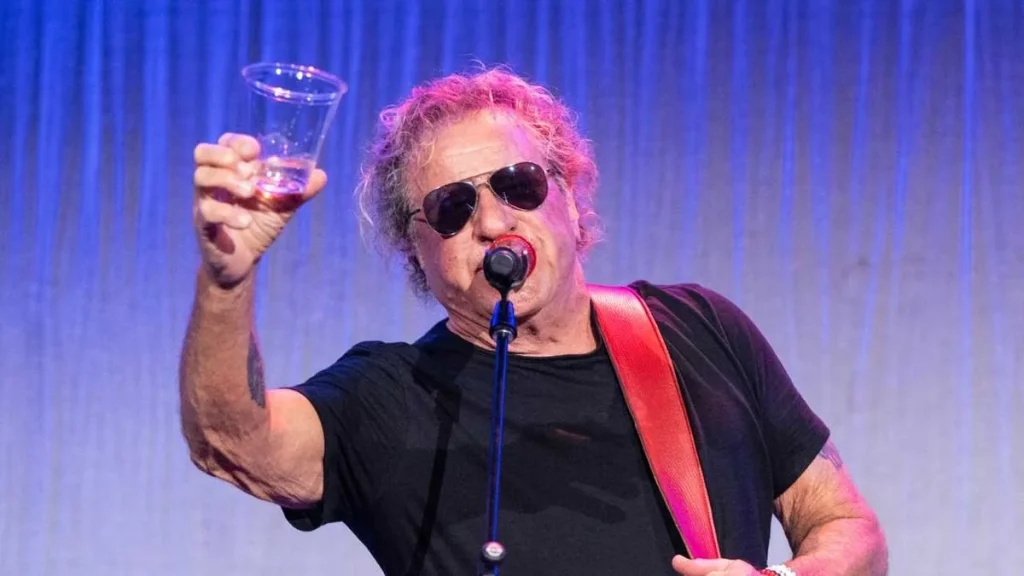
How the “Red Rocker” Persona Took Over
What’s interesting is that while “Sammy Hagar” was his real identity, the “Red Rocker” nickname eventually became almost bigger than his actual name in rock culture.
And that transformation happened organically too.
The nickname largely came from his 1978 song “Red,” which appeared on his solo album All Night Long. Around that same period, Sammy started leaning harder into red stage clothing, red Ferraris, and the fiery high-energy image that fans quickly embraced.
Soon enough, the “Red Rocker” branding exploded.
But unlike some rock nicknames that feel painfully forced decades later, this one stuck because it matched his energy. Sammy wasn’t pretending to be dark or dangerous in the gothic sense. His version of rock-star charisma felt warmer. Faster. More American.
Sunset highways. Open roads. Loud engines. Summer concerts.
That was Sammy’s lane.
By the early 1980s, albums like Standing Hampton and Three Lock Box cemented that identity completely. Songs like “There’s Only One Way to Rock” and “Your Love Is Driving Me Crazy” turned him into a staple of American album-oriented rock radio.
And live? Forget it.
Sammy Hagar concerts during that era felt like giant parties with Marshall stacks.
To be fair, critics sometimes dismissed his image as overly commercial compared to heavier or darker acts emerging at the time. Punk fans didn’t always take him seriously. Certain metal purists thought he lacked menace.
But here’s the thing most fans understood instinctively: Sammy wasn’t selling cynicism.
He was selling freedom.
And during the late ’70s and early ’80s — especially in America — that emotional connection mattered enormously. Working-class fans heard optimism in Sammy Hagar songs. Escape. Energy. Motion.
That’s a huge reason the Red Rocker identity endured while countless other arena-rock personas aged poorly.
Van Halen Changed Sammy’s Public Identity Forever
No matter how successful Sammy’s solo career became, joining Van Halen in 1985 permanently changed how the world viewed him.
And honestly, it changed the meaning of “Sammy Hagar” itself.
Before Van Halen, Sammy was respected. Successful too. But after replacing David Lee Roth, he became part of one of the biggest cultural debates in rock history.
“Hagar vs Roth” wasn’t just about singers. It represented two entirely different philosophies of rock music.
Roth embodied chaos, swagger, humor, and danger.
Sammy represented musicianship, melody, emotional openness, and maturity.
The fanbase split almost immediately.
Truth be told, many longtime Van Halen fans initially refused to accept him at all. Replacing Roth seemed impossible. But then albums like 5150 (1986), OU812 (1988), and For Unlawful Carnal Knowledge (1991) became massive commercial successes.
Suddenly, Sammy Hagar wasn’t just “that solo guy who sang I Can’t Drive 55.”
He was the frontman of arena-rock royalty.
What’s fascinating is how his real personality shaped Van Halen’s sound during those years. Sammy brought stronger melodic instincts and emotional songwriting into the band. Songs like “Dreams,” “Right Now,” and “Love Walks In” expanded Van Halen beyond pure party-rock chaos.
Some fans loved that evolution.
Others never forgave it.
And honestly? Both perspectives are understandable.
The story gets complicated because the Roth-era and Hagar-era bands almost feel like entirely separate groups sharing the same name. Different emotional textures. Different goals. Different chemistry with Eddie Van Halen.
But one thing became undeniable during that era: Sammy Hagar stopped being merely a rock singer and became a full-blown American rock institution.
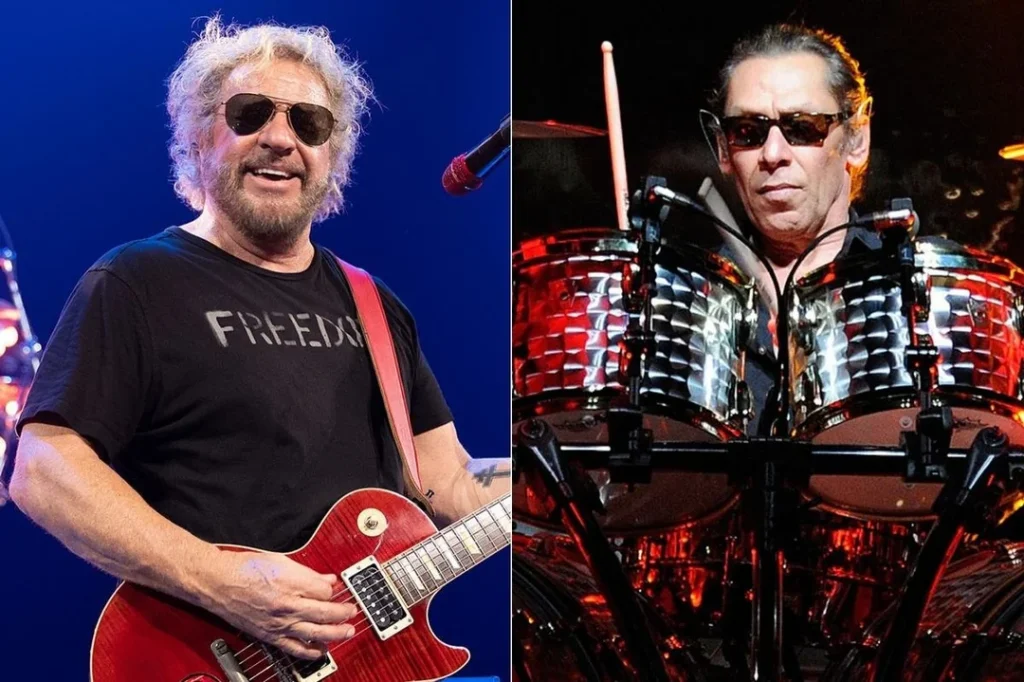
Sammy Hagar’s Personality Became His Brand
Most fans asking about Sammy Hagar’s real name are really asking something bigger without realizing it.
Who is this guy, actually?
Because over time, Sammy’s personality became inseparable from his music.
The tequila empire. Cabo Wabo. The birthday bashes in Mexico. The Ferraris. The constant touring. The openness about aging. The stories. The laughter. The radio shows. The friendships with other musicians.
All of it blended together into a very specific image of American classic rock masculinity that somehow never felt entirely calculated.
And that’s rare.
A lot of rock stars eventually become trapped by their own mythology. They turn into self-parodies trying desperately to relive their peak years. Sammy Hagar mostly avoided that trap because he seemed genuinely comfortable evolving publicly.
You could see it after Van Halen too.
Many people assumed losing that gig in 1996 would permanently diminish him. Instead, Sammy reinvented himself yet again — not by changing who he was, but by leaning further into it.
That’s where the business success became fascinating.
Cabo Wabo Tequila turned Sammy into something far bigger than a nostalgia act. By the time he sold major ownership stakes in the company during the 2000s, he’d become one of the smartest entrepreneurs in rock history.
And yet fans still largely viewed him as approachable.
That balance matters.
Because deep down, Sammy Hagar never projected untouchable rock-god mystique the way some artists did. He projected accessibility. Fans imagined hanging out with Sammy. Having drinks with Sammy. Going to a concert with Sammy.
That emotional familiarity became central to his longevity.
Why His Real Name Fits His Legacy Perfectly
If Sammy Hagar had invented some elaborate stage identity early in his career, I honestly don’t think it would’ve worked nearly as well over five decades.
Because the appeal of Sammy was always transparency.
Even when things got messy — especially during the public feuds with Eddie Van Halen or tense reunion years — fans usually felt like they were hearing the real guy speak, not some carefully filtered corporate version of a rock star.
Sometimes that honesty got him into trouble.
Actually, a lot of times.
But it also made people trust him.
And trust matters in classic rock more than younger fans sometimes realize. These audiences grew up with these musicians. They bought the vinyl. Wore the tour shirts. Played the cassette tapes until they practically melted in car stereos.
Fans can sense when someone’s fake.
Sammy rarely felt fake.
That’s probably why “Samuel Roy Hagar” never needed dramatic reinvention. The name itself became powerful because of what he attached to it over time: decades of concerts, songs, risks, reinventions, feuds, celebrations, heartbreaks, and unforgettable summers blasting from FM radio speakers.
Honestly, the older I get, the more I appreciate that about him.
No mask. No character. No gothic mystery. Just a working-class California kid who turned himself into the Red Rocker through sheer personality, relentless touring, and an almost stubborn commitment to enjoying life loudly.
And somewhere tonight, somebody’s still throwing on “Mas Tequila,” “Right Now,” or “I Can’t Drive 55” while arguing with old friends about whether the Roth years or the Sammy years were better.
That debate will probably outlive all of us.
But the fact we’re still having it says everything about how deeply Sammy Hagar carved his real name into American rock history.