If you ask rock fans to name a I Can’t Drive 55 moment, they won’t quote a lyric first — they’ll usually laugh and say, “That’s the speeding song.”
And honestly… they’re not wrong.
The track became the signature hit of Sammy Hagar in the 1980s. Even people who don’t follow his albums or his time with Van Halen still recognize it. But the funny part is — the song wasn’t written as some grand rock anthem. It started with something far more ordinary: frustration.

The Speed Limit That Accidentally Made Rock History
Early 1980s America had a national 55-mph speed limit. It wasn’t a suggestion — it was strictly enforced. The rule came from the 1970s oil crisis. Gas was scarce, fuel economy mattered, and the government believed slower driving would save energy and reduce accidents.
Good in theory.
Not so good if you were a touring rock musician driving long distances on wide California highways.
Hagar used to tell the story in interviews: one day he got pulled over for speeding in upstate New York. And in his telling — truth be told, you can almost hear the irritation — he looked at the officer and basically said:
“Nobody can drive 55 on this road.”
That was it.
That sentence stuck in his head.
Most hit songs come from relationships or heartbreak. This one came from a traffic ticket.
Not Really About Cars (Even Though It Sounds Like It)
On the surface, “I Can’t Drive 55” sounds like a car song. Loud guitars, engine noises, a red Ferrari in the video — very obvious symbolism.
But if you actually listen, you’ll notice something else.
It’s more of a personality song.
Hagar wasn’t just talking about speed limits. He was talking about restraint — rules that don’t match human nature. The feeling of being forced to slow down when your energy says go.
For most people, that connects instantly.
You don’t have to be a rock fan to understand that emotion.
And that’s probably why the track worked so well. It captured a rebellious spirit without trying too hard to be political.
Recording the Song (And Why It Sounded Different)
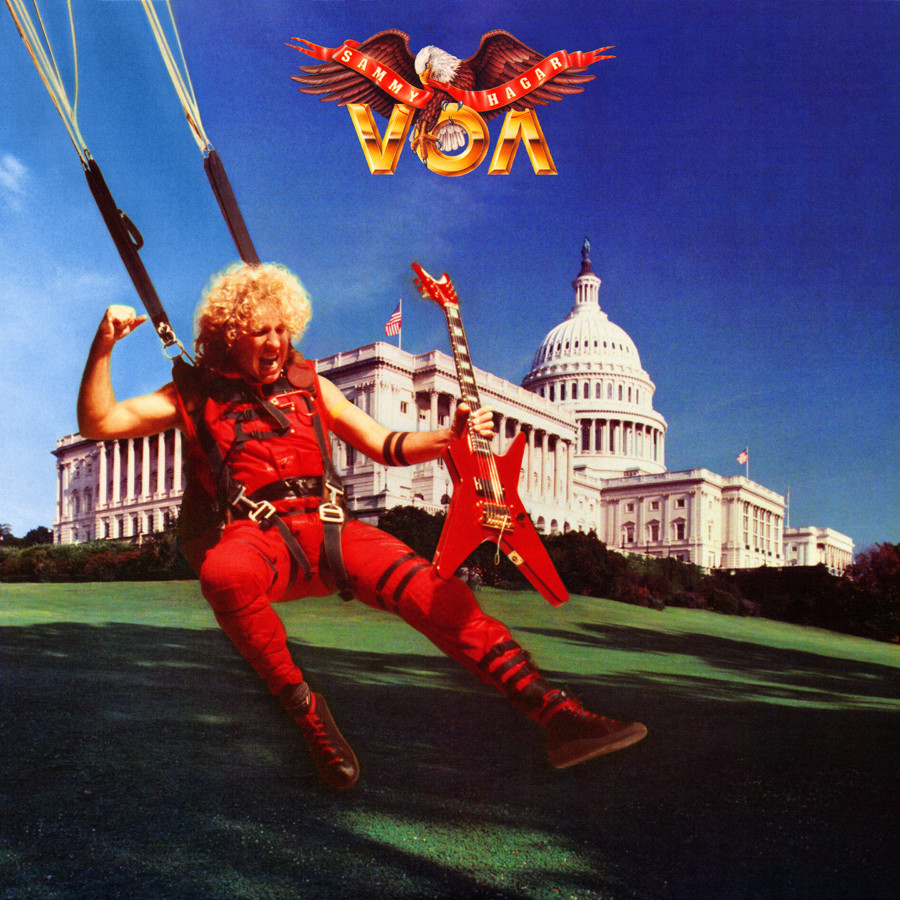
The song appeared on Hagar’s 1984 album VOA. By that point he had already built a solo career after his earlier band Montrose, but he still didn’t have a defining mainstream hit.
“I Can’t Drive 55” changed that.
The guitar tone was punchy and simple — not overly complicated. The riff repeats, almost stubbornly, which actually fits the theme. In my experience listening to a lot of 80s rock, songs that stick usually have one clear musical idea and commit to it. This one definitely does.
The producers leaned into a raw performance sound instead of heavy studio polish. On the other hand, they still added little theatrical touches — tire screeches, revving engines — just enough to make the song memorable without turning it into a novelty track.
It walked a very thin line, and somehow didn’t fall off either side.
The Music Video Helped… A Lot
The music video mattered more than people realize.
MTV was exploding in 1984, and Hagar understood television. The video showed him racing a red Ferrari and eventually being arrested. It was playful, not angry. More “rebellious grin” than “dangerous outlaw.”
That tone made a huge difference.
If the song had been aggressive, it might’ve been controversial.
Instead, it became fun.

Kids loved it. Drivers loved it. Even people who probably agreed with the speed law secretly enjoyed it.
Why It Became His Defining Song
Here’s the interesting part.
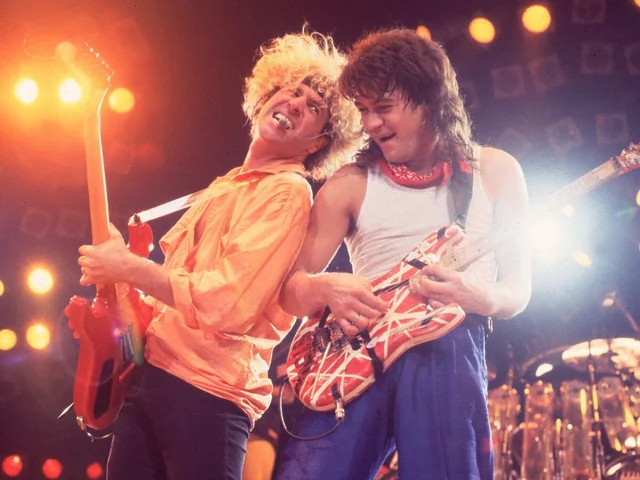
Hagar later joined Van Halen in 1985 and had enormous success — bigger albums, bigger tours, bigger audiences. Yet “I Can’t Drive 55” remained his personal anthem.
Why?
Because it felt authentic.
It wasn’t written to impress critics. It wasn’t chasing trends. It came from a real moment — annoyance, humor, and a little bit of stubborn personality. Fans tend to recognize that immediately, even if they can’t explain why.
In a way, the song introduced the version of Sammy Hagar people still recognize: energetic, slightly rebellious, but never bitter.
Cultural Impact
The song actually influenced pop culture beyond music. People quoted the title constantly. Drivers put “55” jokes on bumper stickers. Radio DJs referenced it during traffic reports.

And decades later, the phrase still works as shorthand for someone who refuses to slow down — not just on the road, but in life.
You’ll even hear fans use it when talking about Hagar himself. Even in his later years, still touring, still performing — the image fits.
A Personal Takeaway
If you strip away the guitars and nostalgia, the real reason the song lasted is simple.
It captured a feeling everyone understands: being told to live at a pace that doesn’t match who you are.
Some songs age because they’re historic.
Some age because they’re emotional.
This one ages because it’s relatable.
And honestly, that’s probably why fans still smile when they hear the opening riff. Not because they want to speed — well, maybe a little — but because it reminds them of a time when music felt spontaneous.
Sometimes a legendary rock song doesn’t start in a studio.
Sometimes it starts on the side of a highway with a police siren behind you and a slightly annoyed musician thinking, “Yeah… I really can’t drive 55.”