Some rock stars burn bright and disappear. Others become frozen in one perfect era, trapped forever inside old album covers and fading concert footage. Sammy Hagar never fit either category. That’s part of what makes him such a fascinating figure in classic rock history.
Because truth be told, what makes Sammy Hagar a rock legend isn’t just the music. It’s the survival. The adaptability. The fact that he thrived across multiple generations of rock culture without completely losing the spirit that made fans care in the first place.
Think about it for a second. Montrose in the ’70s. Solo arena-rock dominance in the early ’80s. The impossible task of replacing David Lee Roth in Van Halen. Massive commercial success. Public feuds. Reinvention. Business empire. Sold-out tours decades later. Most careers don’t survive even one of those transitions.
Sammy survived all of them.
And honestly, whether you love every era of his career or still argue Hagar vs Roth with your friends after a few beers, there’s something undeniably impressive about that longevity.
He Earned Respect Before Van Halen Ever Called
A lot of casual fans still think Sammy Hagar became famous because of Van Halen. Real rock fans know better.
By the time Eddie Van Halen reached out in 1985, Hagar had already spent years building one of the hardest-working careers in American hard rock. The Montrose debut from 1973 alone helped establish an entire blueprint for guitar-driven arena rock. “Rock Candy” still sounds huge today. Raw. Dangerous. Alive.
Then came the solo years.
Albums like Standing Hampton, Three Lock Box, and VOA slowly transformed Hagar from respected cult figure into legitimate headliner. “There’s Only One Way to Rock.” “Your Love Is Driving Me Crazy.” “I Can’t Drive 55.” These weren’t novelty songs or one-hit wonders. They became part of the soundtrack of American rock radio in the 1980s.
What’s interesting is that Sammy built his audience the old-fashioned way — relentless touring.
Night after night. Year after year.
Most fans don’t realize how many miles the Red Rocker logged before mainstream superstardom arrived. That grind gave him credibility later when he stepped into Van Halen. He wasn’t some unknown replacement singer. He was already battle-tested.
And honestly, audiences could feel that confidence immediately.
Sammy Hagar Expanded What Van Halen Could Become
This is where opinions get emotional fast.
For many fans, Van Halen begins and ends with David Lee Roth. The swagger. The danger. The party-band mythology. And to be fair, Roth helped create one of the most explosive identities in rock history.
But Sammy Hagar changed the band musically in ways that still matter.
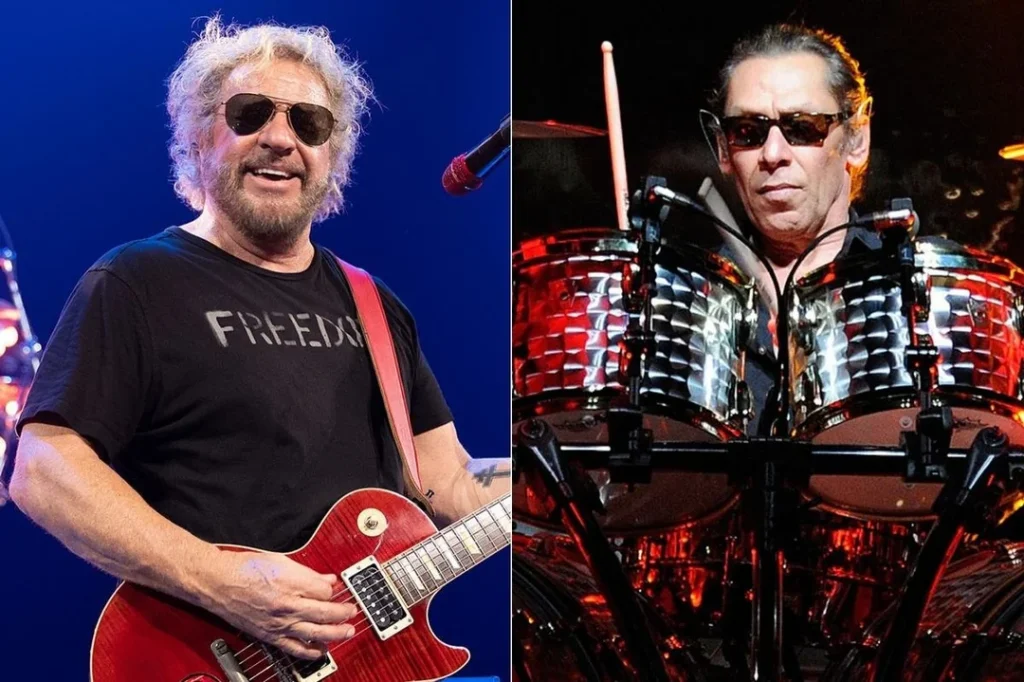
When 5150 arrived in 1986, it shocked people. Not because Van Halen sounded weak — the opposite, actually. The band suddenly sounded more expansive. More melodic. More emotionally ambitious. Songs like “Dreams,” “Love Walks In,” and later “Right Now” pushed beyond pure party rock into something more layered.
Eddie Van Halen himself repeatedly said Hagar allowed him greater musical freedom because Sammy could handle more sophisticated vocal melodies and harmonies.
That mattered creatively.
Truth be told, the Hagar-era albums often showcased Eddie’s broadest songwriting instincts. OU812, For Unlawful Carnal Knowledge, and Balance balanced technical musicianship with huge choruses that connected emotionally to millions of listeners.
Some fans hated the keyboards. Others loved the maturity. The Hagar vs Roth debate probably never dies completely.
But either way, Sammy helped Van Halen evolve instead of simply repeating themselves endlessly.
And that takes courage in a band that famous.
The Red Rocker Understood Connection Better Than Most Frontmen
A lot of legendary singers perform at audiences. Sammy Hagar always felt like he performed with them.
That distinction matters more than critics sometimes admit.
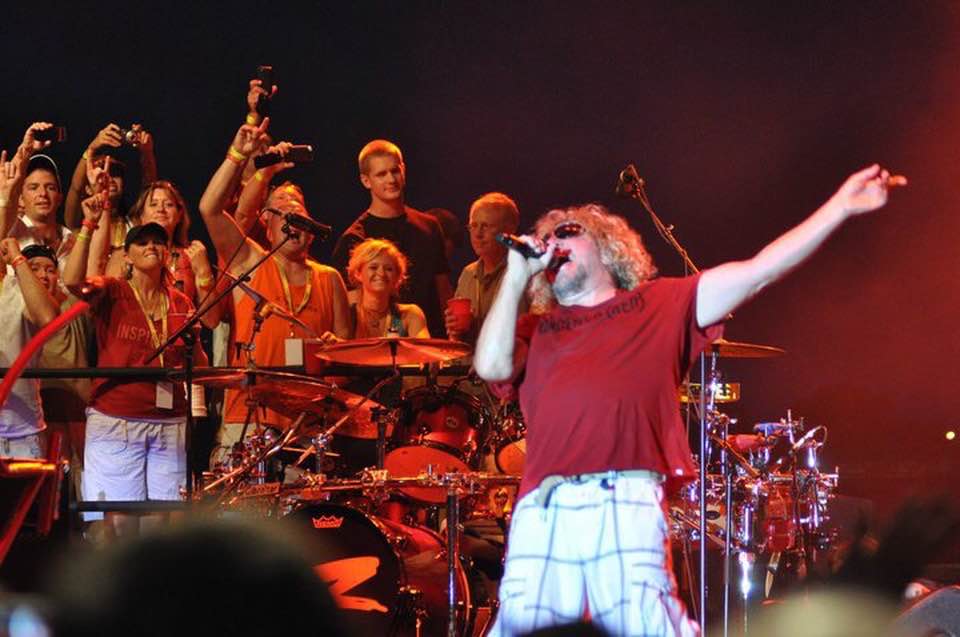
Go watch old live footage from the 5150 or Balance tours. Sammy talks constantly between songs. He jokes. He laughs. He tells stories. He treats giant arenas like giant backyard parties. There’s warmth in the performances that separated him from many arena-rock frontmen who hid behind mystique or ego.
And honestly, fans responded to that humanity.
The best Sammy Hagar songs work because they feel emotionally direct without becoming overly self-serious. “Dreams” carries genuine optimism. “Right Now” taps into urgency and reflection at the same time. Even party anthems like “Mas Tequila” or “Top of the World” carry this infectious joy that feels authentic instead of calculated.
Most fans don’t realize how difficult that balance actually is.
Rock history is filled with artists who became trapped inside their own image. Sammy somehow stayed approachable while still feeling larger than life. That’s rare. Especially after decades of fame.
In many ways, his relatability became part of his legend.
He Survived the Industry Without Becoming a Caricature
Classic rock can be brutal to aging musicians.
Some become nostalgia acts. Some burn out emotionally. Others cling desperately to old personas that no longer fit reality. Sammy Hagar avoided most of those traps — and honestly, that might be one of his greatest accomplishments.
The guy kept evolving.
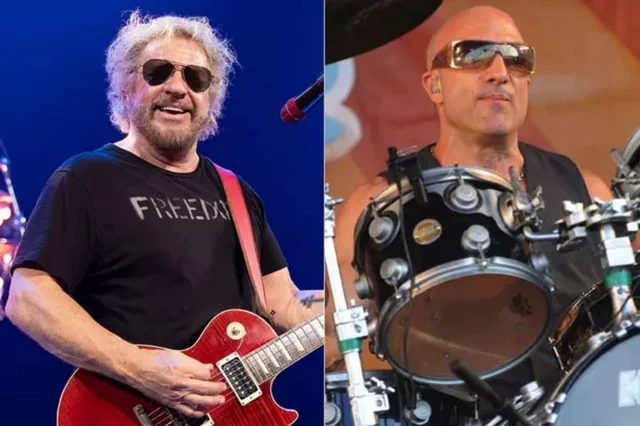
After leaving Van Halen in 1996, he didn’t disappear quietly into greatest-hits tours. He built Cabo Wabo into a wildly successful tequila empire before celebrity liquor brands became trendy. He formed Chickenfoot with Joe Satriani, Michael Anthony, and Chad Smith. He kept recording. Kept touring. Kept staying visible.
And importantly, he embraced getting older without pretending he was still 28 years old forever.
That self-awareness made a difference.
What’s interesting is that Hagar never fully abandoned the fun-loving Red Rocker identity, but he also allowed more emotional honesty into public conversations over time. Especially after Eddie Van Halen’s death in 2020, Sammy spoke openly about regret, friendship, unresolved pain, and the emotional complexity behind decades of rock-and-roll mythology.
That vulnerability humanized him even more.
Because truth be told, fans age too. They recognize authenticity when they hear it.
Sammy Hagar’s Voice Became One of Rock’s Most Underrated Weapons
This part still gets overlooked constantly.
People talk endlessly about Eddie Van Halen’s guitar playing — deservedly — but Sammy Hagar’s voice was an absolute force during his prime years. Powerful without sounding strained. Melodic without losing aggression. Capable of emotional nuance while still cutting through massive arena-rock arrangements.
Listen carefully to live recordings from the late ’80s.
The range is remarkable.
Songs like “Eagles Fly” revealed vulnerability. “Poundcake” hit with swagger and grit. “Dreams” demanded enormous vocal control night after night. And unlike many singers from the era, Hagar largely preserved his voice over decades of touring.
That consistency matters historically.
You could argue Sammy influenced an entire generation of melodic hard rock vocalists who wanted to combine arena-sized hooks with more grounded emotional delivery. He wasn’t as theatrical as Roth or as operatic as Ronnie James Dio. Instead, he sounded accessible in a way that connected deeply with American rock audiences.
Especially working-class fans who saw pieces of themselves in his personality.
And honestly, that emotional accessibility may explain why the Hagar-era Van Halen songs still resonate so strongly with listeners decades later.
Why Sammy Hagar’s Legacy Feels Bigger With Time
Maybe the strangest thing about Sammy Hagar is that his legend keeps growing even among people who once underestimated him.
Back during the height of the Hagar vs Roth wars, fans often treated the conversation like a competition with only one acceptable answer. But time changes perspective. Younger listeners discovered the Sammy years without the original emotional baggage. Older fans revisited those records with fresh ears.
And suddenly albums like 5150 and For Unlawful Carnal Knowledge started receiving the respect they arguably deserved all along.
Truth be told, what makes Sammy Hagar a rock legend isn’t perfection. It’s persistence mixed with passion. He survived changing musical trends, public feuds, industry collapse, aging, and the impossible expectations attached to replacing one of rock’s most iconic frontmen.
Yet somehow he still sounds genuinely excited when he walks onstage.
That enthusiasm matters.
Because somewhere out there tonight, a guy in his late fifties is probably driving home with “Right Now” blasting through the speakers, remembering an old concert, an old summer, maybe even an old version of himself. And for four or five minutes, the world feels wide open again.
A lot of artists chase that kind of connection.
Sammy Hagar built an entire life around it.