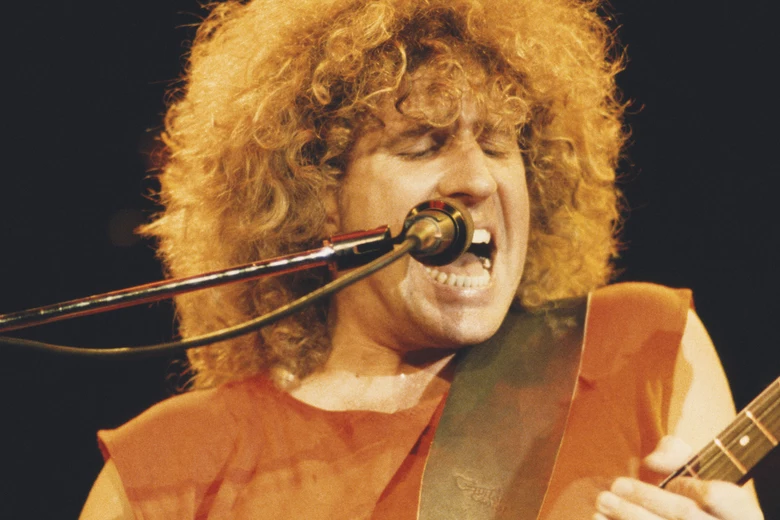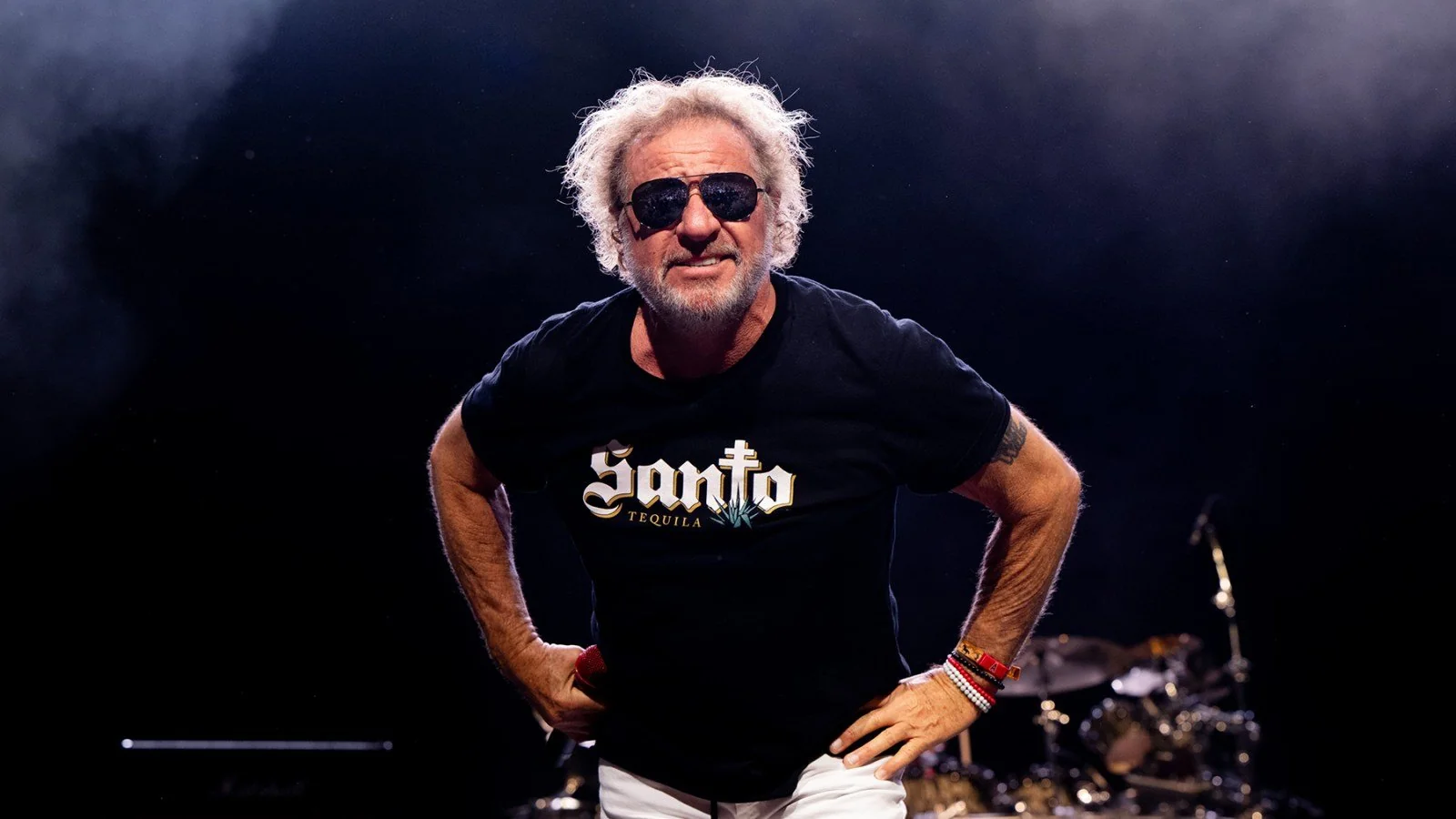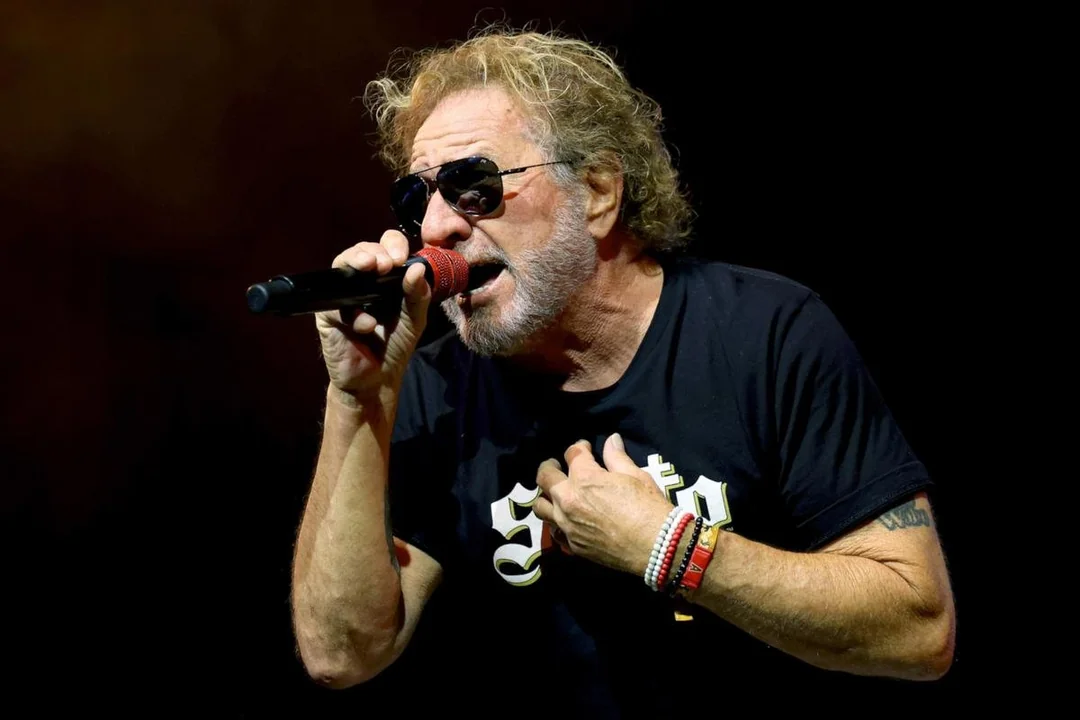
Picture American rock radio sometime in the summer of 1986. “Why Can’t This Be Love” is everywhere. MTV is blasting clips from 5150. Van Halen fans are arguing in parking lots, bars, and record stores about whether the band just reinvented itself or lost its soul forever. And standing right in the middle of that cultural storm is Sammy Hagar — grinning, confident, impossible to ignore.
But here’s the thing most casual fans forget: Sammy Hagar’s career timeline didn’t begin with Van Halen. By the time he joined Eddie Van Halen and company, he’d already spent more than a decade building one of the hardest-working careers in classic rock. Montrose. Solo albums. Endless touring. Arena hits. Cult fandom. The Red Rocker identity was already fully alive before the biggest chapter even started.
Truth be told, that’s part of what makes Hagar’s story so fascinating. Unlike some frontmen who peaked inside one legendary band, Sammy kept reinventing himself across multiple eras of American rock music — and somehow stayed culturally relevant longer than many people expected.
The Montrose Years Lit the Fuse in the Early 1970s
Every great rock career needs an ignition point. For Sammy Hagar, it came with Montrose.
Released in 1973, the self-titled Montrose debut still hits like a sledgehammer today. Ronnie Montrose’s guitar work sounded vicious and precise at the same time, while Hagar’s vocals already carried that unmistakable blend of grit and melody that later became his trademark. Songs like “Rock Candy” and “Bad Motor Scooter” helped define early American hard rock before arena metal fully took shape.
What’s interesting is how influential that record became quietly over time.
A lot of musicians — especially guitar-driven bands from the late ’70s and early ’80s — treated Montrose almost like sacred text. You can hear echoes of it in early Van Halen, particularly in the swagger and rhythmic punch. Even Eddie Van Halen reportedly admired Ronnie Montrose’s playing.
But the band itself never fully exploded commercially.
The story gets complicated here. Creative tensions emerged quickly, and Hagar left after the second album, Paper Money, in 1974. Looking back, that departure arguably saved his career long-term, even though it seemed risky at the time.
Because suddenly Sammy Hagar had to figure out who he really was as an artist outside a band environment.
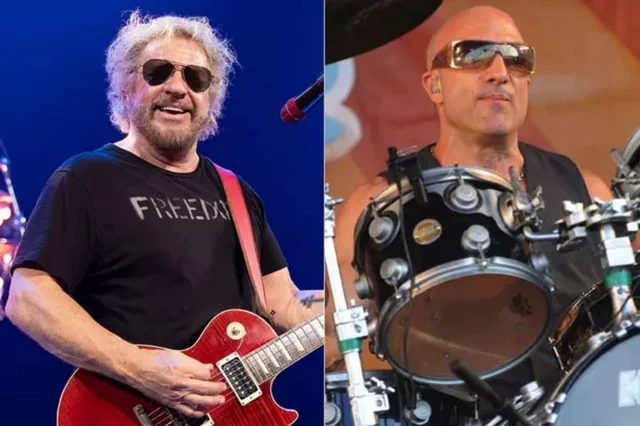
The Solo Years Built the Red Rocker Identity
The late 1970s and early 1980s were brutal for rock musicians trying to survive changing trends. Punk arrived. Disco dominated charts. New wave reshaped radio. Yet Sammy Hagar kept grinding through it all with relentless touring and increasingly ambitious solo records.
That persistence mattered.
Albums like Street Machine (1979), Danger Zone (1980), and Standing Hampton (1981) slowly built Hagar’s reputation as one of America’s most reliable hard rock performers. He wasn’t yet a megastar, but he had something equally important: a fiercely loyal audience.
And honestly, the Red Rocker persona emerged naturally during this period.
Fast cars. California highways. Blue-collar confidence. Big choruses built for summer nights and loud stereos. Sammy Hagar songs started developing a recognizable emotional identity that separated him from other hard rock singers of the era.
Then came “There’s Only One Way to Rock,” arguably one of the defining statements of his solo career.
Truth be told, Hagar’s solo years don’t always get enough respect because they’re overshadowed by Van Halen. But these records shaped the melodic hard rock formula countless bands later copied during the MTV explosion of the 1980s.
And by 1984, Hagar finally crossed fully into mainstream visibility with “I Can’t Drive 55.”
“I Can’t Drive 55” Turned Sammy Into a National Rock Star
If there’s one song that permanently burned Sammy Hagar into American pop culture, it’s “I Can’t Drive 55.”
Released on VOA in 1984, the track captured everything audiences loved about the Red Rocker image — rebelliousness, humor, speed, and pure adrenaline. The MTV video practically screamed mid-’80s rock excess, but there was also something deeply relatable underneath it all.
People hated the national speed limit. Sammy turned that frustration into an anthem.
And suddenly, he wasn’t just a respected hard rock cult hero anymore. He was a full-scale arena attraction.
What’s fascinating is how perfectly timed the success became. Because only a year later, Van Halen exploded internally after David Lee Roth left the band. Eddie Van Halen famously called Hagar after hearing him sing and realizing he might actually fit the group musically.
Most fans know what happened next.
But honestly, it still feels surreal in hindsight. One of the biggest bands in the world replacing one of rock’s most charismatic frontmen with an already established solo star? That almost never works.
Except somehow, against all odds, it did.
The Van Halen Era Changed Everything
The Sammy Hagar years in Van Halen remain one of the most debated chapters in classic rock history.
Some fans still prefer Roth. Others believe the Hagar era produced the band’s strongest musicianship. Most people over 40 probably have very strong opinions about this already.
But commercially, the results speak loudly.
5150 debuted at No. 1 in 1986 and launched a completely different version of Van Halen. More keyboards. Bigger harmonies. More emotional songwriting. Songs like “Dreams,” “Love Walks In,” and “Right Now” pushed the band into broader territory without fully abandoning their hard rock roots.
What’s interesting is how much Eddie Van Halen evolved creatively during these years. He often said Sammy allowed him greater musical freedom because Hagar could actually match complex melodic ideas vocally.
And Sammy delivered.
Albums like OU812, For Unlawful Carnal Knowledge, and Balance cemented the band’s dominance throughout the late ’80s and early ’90s. The tours became massive cultural events. MTV rotation stayed constant. The Hagar vs Roth debate intensified with every passing year.
To be fair, tensions inside the band grew increasingly volatile by the mid-1990s. Creative disagreements, communication breakdowns, and personal conflicts eventually exploded publicly in 1996.
Still, the legacy of those records remains impossible to ignore.
Life After Van Halen Became More Complicated — and More Personal
When Sammy Hagar left Van Halen in 1996, many people assumed his biggest years were behind him.
Instead, he pivoted again.
His 1997 album Marching to Mars revealed a more reflective and emotionally layered side of his songwriting. Meanwhile, his Cabo Wabo tequila business exploded into one of the most successful celebrity alcohol brands in entertainment history long before that became trendy in Hollywood.
And honestly, that entrepreneurial success changed perceptions of him dramatically.
Some fans accused him of becoming more businessman than rocker. Others admired the fact that he outsmarted an industry notorious for destroying artists financially. Either way, Hagar refused to disappear quietly into nostalgia.
Then came the complicated Van Halen reunion years.
The 2004 reunion tour with Eddie Van Halen brought massive audiences but also visible tension. Hagar later described Eddie struggling heavily during that era, and the emotional fallout lingered publicly for years.
What’s interesting is that Sammy’s post-Van Halen career became increasingly defined by honesty. Interviews. Memoirs. Podcasts. He spoke openly about regret, friendship, aging, and unresolved pain in ways many classic rock figures avoided entirely.
That vulnerability surprised people.
The Legacy Years Proved Sammy Hagar Was Built to Last
Most classic rock careers slow down eventually. Sammy Hagar never really accepted that idea.
Even into his seventies, he kept touring aggressively with projects like Chickenfoot, The Circle, and later the Best of All Worlds tour celebrating the Van Halen catalog. Meanwhile, fans who once argued endlessly about Hagar vs Roth slowly began reassessing the bigger picture.
Time changes perspective.
Younger generations discovered the Hagar-era Van Halen albums without the original baggage attached to them. Older fans softened emotionally. And after Eddie Van Halen’s death in 2020, many listeners revisited songs like “Dreams” and “Right Now” with entirely different emotional weight.
Truth be told, Sammy Hagar’s career timeline feels remarkable partly because it never followed a predictable script. He wasn’t the tragic genius archetype. He wasn’t the cool detached icon either. He survived by staying active, outspoken, emotional, occasionally messy, and relentlessly enthusiastic about rock music itself.
And honestly, maybe that’s why his story still resonates so deeply with classic rock fans now.
Because somewhere between Montrose, Cabo Wabo, Ferraris, arena tours, public feuds, and giant choruses blasting from car radios, Sammy Hagar built something rare in American rock history: longevity without complete reinvention. He stayed recognizably himself through every era.
Whether you preferred Roth-era Van Halen or not, whether you loved every solo album or only a handful of Sammy Hagar songs, there’s one thing that feels undeniable looking back now.
The Red Rocker never stopped moving forward.