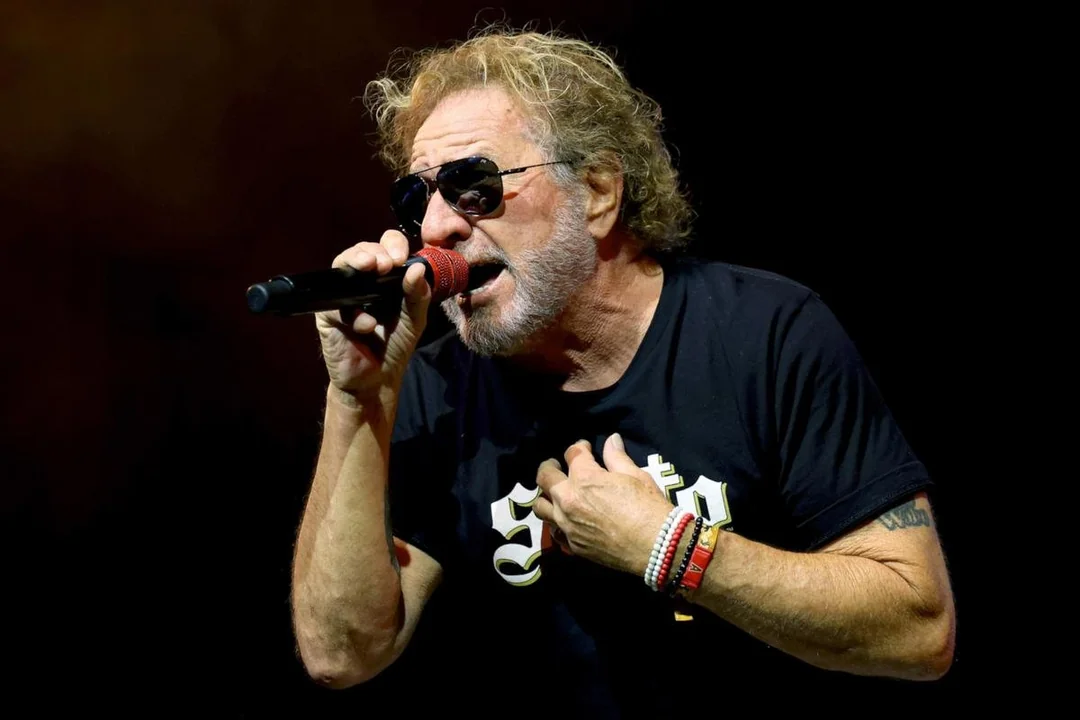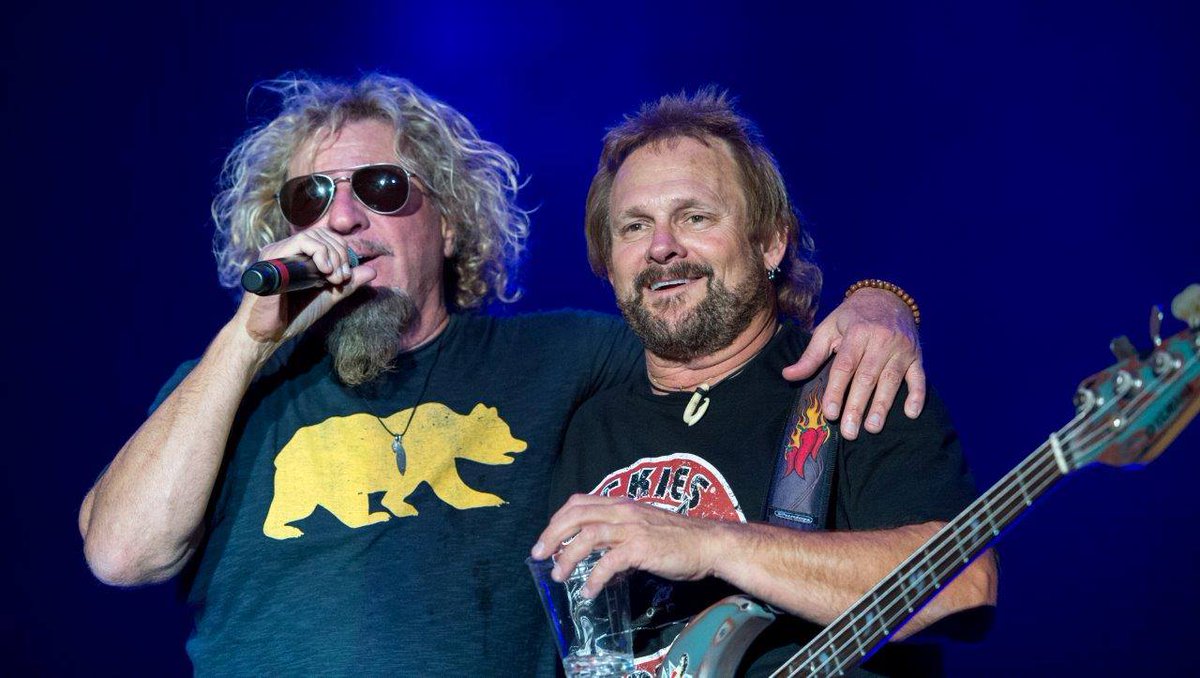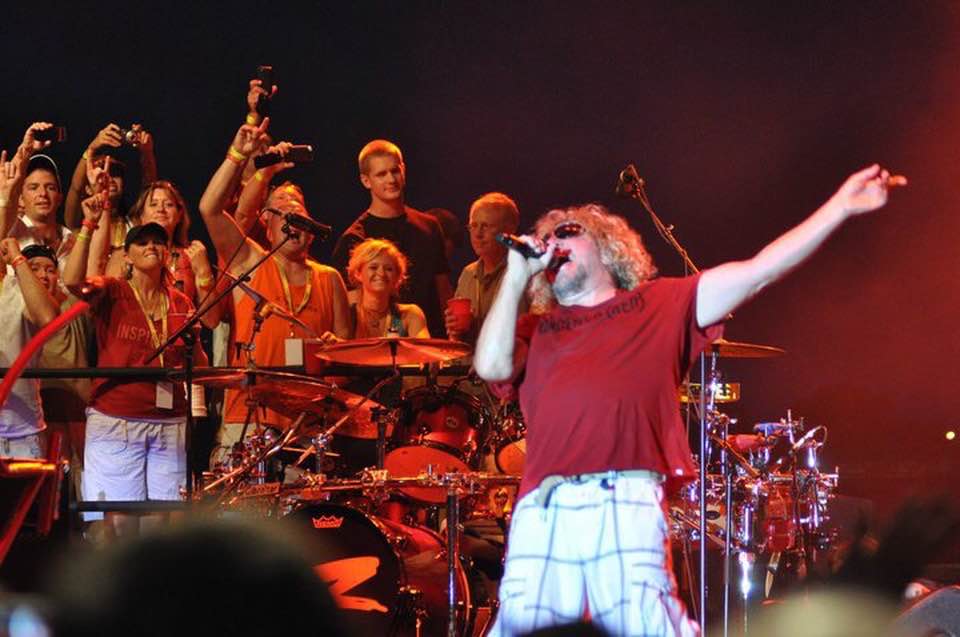
Somewhere between the endless Hagar vs Roth debates, the shadow of Eddie Van Halen’s genius, and the giant commercial success of 5150, a strange thing happened to Sammy Hagar’s catalog. A lot of truly great records got overlooked. Not ignored completely — hardcore fans know the material — but underrated in the broader classic rock conversation. And honestly, that’s a shame.
Because if you go back and really listen, there’s a depth to Sammy Hagar’s solo career that gets lost behind the party-guy image and the Red Rocker branding. These weren’t just albums built around fast cars and tequila slogans. Some of them were emotionally raw. Others were musically adventurous. A few flat-out predicted where arena rock would go in the 1980s before the rest of the industry caught up.
Truth be told, Sammy Hagar’s most underrated albums reveal the real artist behind the myth. Not just the frontman. Not just the businessman. The songwriter.
Street Machine Captured Sammy Before the World Fully Caught Up
Released in 1979, Street Machine arrived during an awkward transition period for American hard rock. Punk had already kicked down the door. New wave was rising fast. Disco still dominated radio. Meanwhile, Sammy Hagar was out there trying to merge heavy guitars, melodic hooks, and working-class swagger into something uniquely his own.
The album never became a blockbuster, but songs like “Plain Jane” and “Trans Am (Highway Wonderland)” absolutely crackle with late-’70s energy. You can hear the blueprint for the Red Rocker persona forming in real time. Loud cars. Freedom. Restlessness. That endless California highway mythology.
What’s interesting is how hungry the record sounds. Hagar wasn’t yet the polished arena superstar from the Van Halen years. He still sounded like a guy fighting for survival. And honestly, that edge gives Street Machine a grit some of his later albums lost.
Most fans don’t realize how influential this era was on melodic hard rock that followed. There’s a direct line from albums like this to the early ’80s Sunset Strip scene, whether those bands admitted it or not.
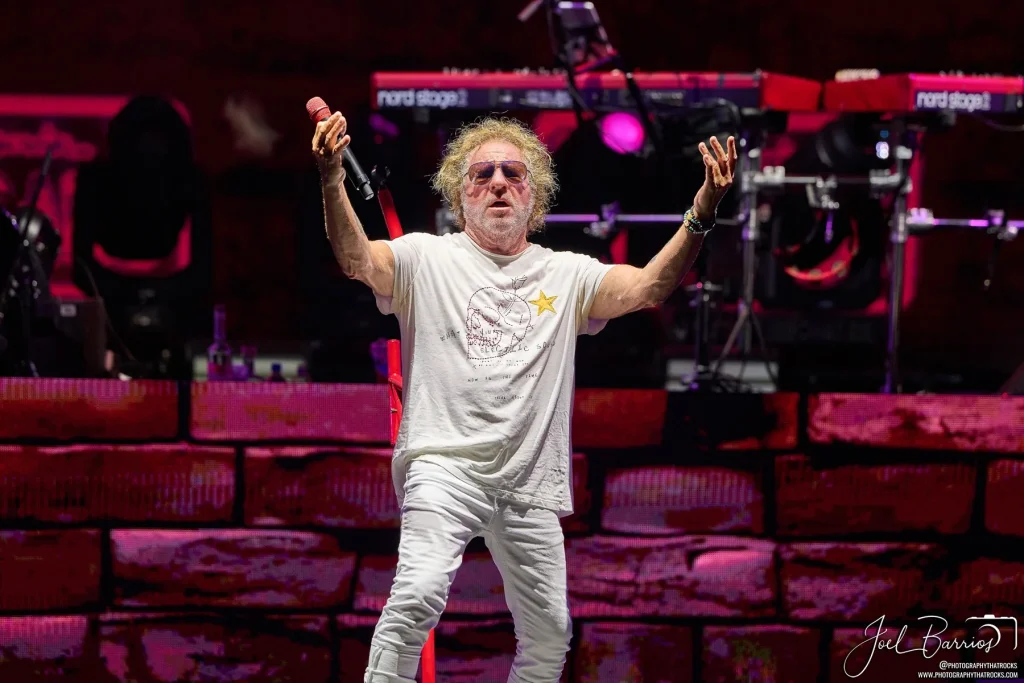
Three Lock Box Was Bigger Than People Remember
Here’s the thing about Three Lock Box from 1982: people remember the title track, maybe “Your Love Is Driving Me Crazy,” and then they move on. But the album itself deserves way more respect in the Sammy Hagar catalog.
This was a weird, ambitious record. In a good way.
Hagar started blending hard rock with keyboards and more commercial songwriting years before joining Van Halen. If you think about it, Three Lock Box almost feels like a preview of the musical chemistry he’d later develop with Eddie Van Halen. There’s melody everywhere, but the guitars still punch hard enough to satisfy longtime rock fans.
And the timing matters. MTV was exploding. Arena rock was becoming more theatrical. Sammy adapted without sounding fake. That’s harder than it sounds. Plenty of classic rock artists from the ’70s got swallowed whole by the ’80s production machine.
Not Hagar.
What’s fascinating is how polarizing this album still is among hardcore fans. Some love the pop instincts. Others think it softened his sound too much. In my opinion, that tension is exactly what makes it compelling. The guy was evolving in public, and not always comfortably.
VOA Became Famous for One Song — But the Album Runs Deeper Than “I Can’t Drive 55”
Let’s be honest. VOA from 1984 is usually remembered for one reason: “I Can’t Drive 55.” And sure, the song became one of the defining Sammy Hagar songs of the MTV era. Fast cars, rebellious attitude, that instantly recognizable red Ferrari imagery — it all became permanently attached to the Red Rocker identity.
But the rest of the album? Criminally overlooked.
“Two Sides of Love” hits with genuine emotional weight. “Burnin’ Down the City” has this dark, almost cinematic energy that feels closer to early Van Halen than many people remember. Even the Zeppelin cover of “Rock and Roll” somehow works because Hagar attacks it with pure conviction instead of trying to imitate Robert Plant.
To be fair, VOA arrived during one of the most crowded years in classic rock history. Bruce Springsteen, Van Halen’s 1984, Prince, and countless other giants dominated the conversation. A lot of great records got buried under bigger cultural moments.
Still, you could argue VOA was the album that finally proved Sammy Hagar could carry a massive mainstream audience without sacrificing his hard rock roots.
And maybe that’s why Eddie Van Halen noticed him so closely around that time.
Marching to Mars Might Be Sammy’s Most Personal Record
The story gets complicated here.
After leaving Van Halen in 1996, Sammy Hagar had something to prove. The split was ugly. Fans took sides immediately. The Hagar vs Roth debate exploded all over again, only now it felt meaner and more personal. A lot of people expected Hagar to respond with bitterness or macho revenge songs.
Instead, he made Marching to Mars in 1997.
And honestly? It may be the most emotionally mature album he ever recorded.
Songs like “Little White Lie” still rock hard, but there’s melancholy underneath the surface. “Amnesty Is Granted,” written by future Van Halen frontman Mike Post and recorded after Eddie Van Halen reportedly rejected it for the band, carries an almost eerie emotional resonance now. Especially knowing how fractured those relationships became later.
What’s interesting is how reflective Hagar sounds throughout the album. Less invincible. More human.
Commercially, it never matched the huge success of his Van Halen years. But artistically, Marching to Mars deserves serious reevaluation. The production feels organic. The songwriting feels lived-in. And for longtime fans who experienced the chaos of the late ’90s rock industry firsthand, the album captures a strange emotional crossroads in classic rock history.

Livin’ It Up! Showed Sammy Hagar Refused to Grow Old Quietly
By the time Livin’ It Up! arrived in 2006, a lot of classic rock artists were settling into predictable nostalgia circuits. Greatest hits tours. Safe albums. Minimal risk.
Sammy Hagar went the other direction.
The album feels loose, tropical, loud, funny, occasionally ridiculous, and surprisingly self-aware. Which honestly describes Hagar himself pretty perfectly. Songs like “Sam I Am” and “The Pusher” lean heavily into the Cabo Wabo lifestyle that had become central to his image, but beneath the party atmosphere there’s genuine joy in the performances.
And that matters.
A lot of aging rock stars sound tired trying to recreate youth. Hagar sounded energized embracing where life had taken him. That distinction changes everything.
Most fans overlook this album because it doesn’t fit neatly into the “serious rock artist” narrative. But truth be told, Livin’ It Up! captures something important about Sammy Hagar’s appeal: he understood that rock and roll was supposed to be fun sometimes.
Not tortured. Not endlessly self-important. Fun.
After decades in the business, that attitude probably helped him survive when so many of his peers burned themselves out emotionally, financially, or creatively.
Why Sammy Hagar’s Deep Catalog Still Matters
Classic rock history has a funny way of simplifying people over time. David Lee Roth became the wild frontman. Eddie Van Halen became the guitar genius. Sammy Hagar became the “other singer.” That’s usually how casual conversations go.
But when you spend time with these underrated albums, the picture changes.
You hear an artist constantly adapting without completely abandoning himself. You hear someone balancing melody and muscle long before that became standard for arena rock. You hear flashes of vulnerability that rarely get discussed when people reduce the Red Rocker to party anthems and tequila commercials.
And honestly, maybe that’s why these records keep aging better than expected.
Because they weren’t chasing trends as desperately as critics sometimes claimed. Even the messier albums have personality. They sound human. Imperfect. Ambitious. Occasionally conflicted. That’s real rock and roll.
I still remember driving late at night with Marching to Mars playing through cheap car speakers years ago, wondering why more people didn’t talk about these songs the same way they talked about Van Halen classics. Maybe nostalgia narrows our memory over time. Maybe giant hits overshadow quieter moments.
Or maybe fans are finally starting to realize Sammy Hagar’s legacy was always bigger than the argument over who sang “Jump” better live.