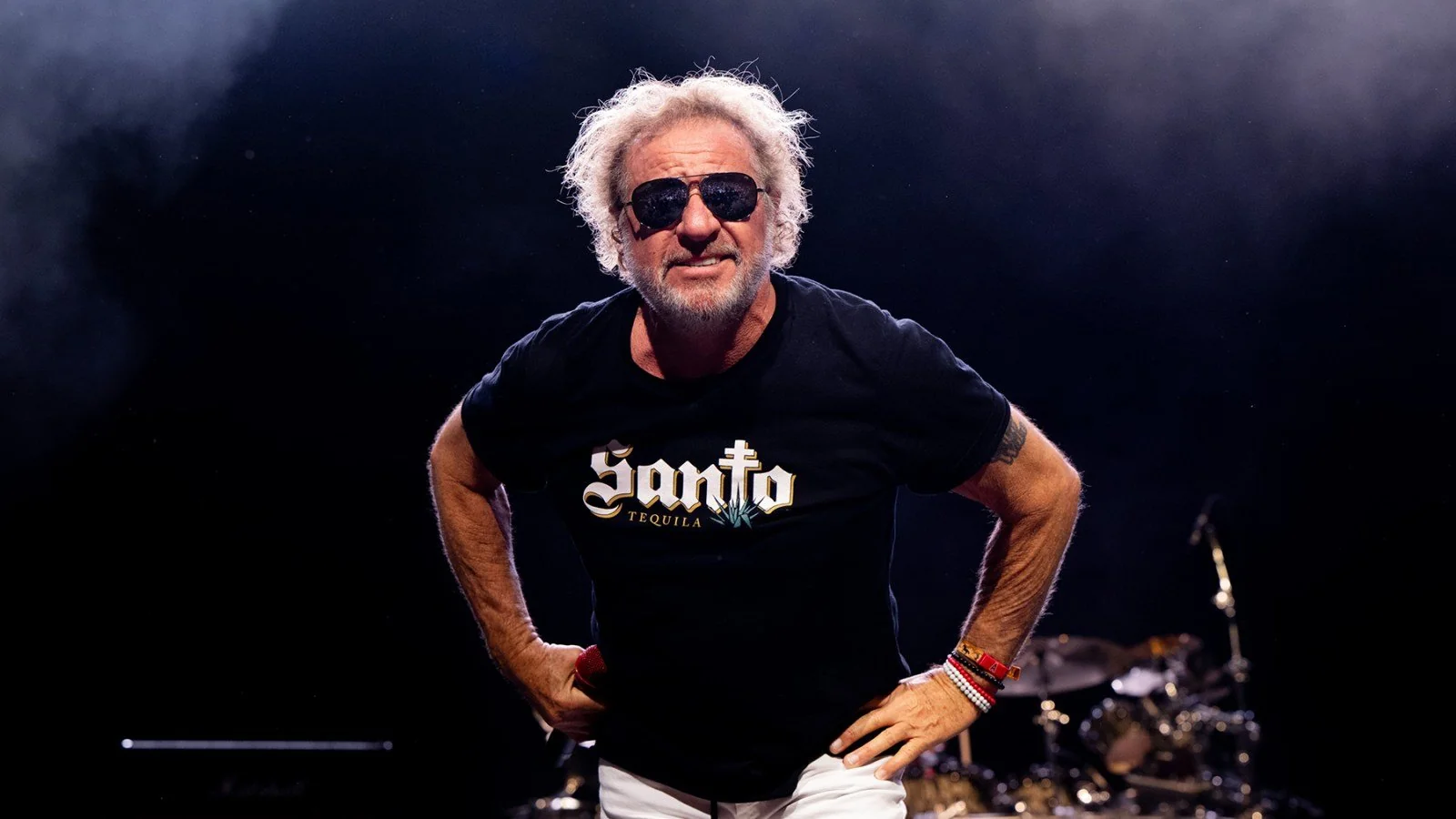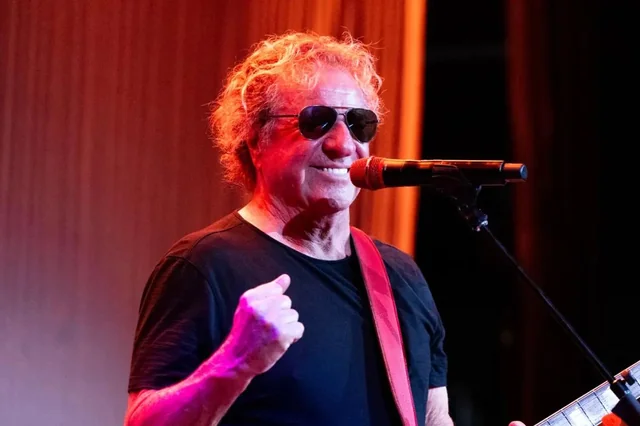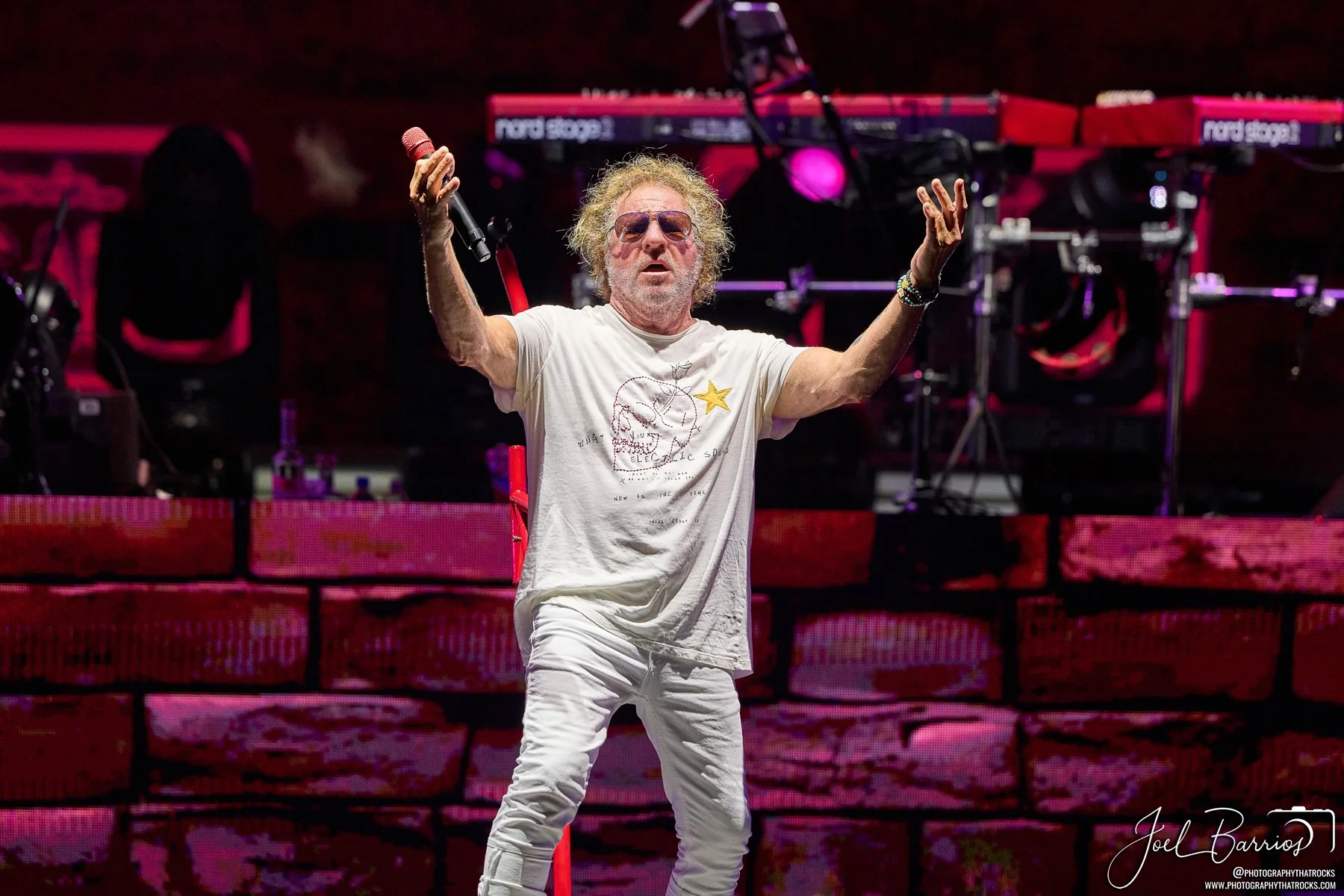
Ask ten classic rock fans what Sammy Hagar’s biggest achievement is, and you’ll probably get ten different answers.
Some will say replacing David Lee Roth in Van Halen and somehow surviving the pressure. Others will point to the four No. 1 albums during the Hagar era. Some fans immediately think of “Right Now” or “Dreams.” Others talk about Cabo Wabo, the tequila empire, or the fact Sammy built one of the most recognizable lifestyles in rock history without losing his personality in the process.
And honestly? All those answers make sense.
But truth be told, Sammy Hagar’s biggest achievement may be something deeper than chart positions or business success.
He stayed relevant without becoming fake.
That sounds simple until you look at how many rock stars from the ’70s and ’80s either burned out, became caricatures of themselves, or disappeared emotionally somewhere along the way. Sammy kept evolving. Kept connecting. Kept sounding human. Loud human, sure. Sometimes chaotic. Sometimes overly enthusiastic in ways critics loved mocking. But unmistakably human.
And maybe that’s why people still care enough to argue about him decades later.
Surviving Van Halen Was Nearly Impossible
Let’s be honest for a second.
Replacing David Lee Roth in Van Halen back in 1985 looked like career suicide from the outside.
The original lineup had become mythology by then. Roth wasn’t just a singer. He was a cultural force — funny, unpredictable, reckless, larger than life. Fans didn’t want a replacement. Most believed nobody could survive stepping into that role, especially not somebody with an already established solo career and strong identity.
Then Sammy Hagar walked straight into the fire anyway.
And somehow it worked.
That alone remains one of the wildest achievements in classic rock history.
Not only did Sammy survive the pressure, but albums like 5150, OU812, and For Unlawful Carnal Knowledge became enormous commercial successes. The band didn’t collapse after Roth left. In many ways, it expanded musically.
What’s interesting is that Sammy succeeded precisely because he didn’t try to imitate Roth. He brought something entirely different emotionally. More melody. More openness. More warmth. Songs like “Dreams” and “When It’s Love” revealed sides of Van Halen the earlier era rarely explored.
To be fair, the “Hagar vs Roth” debate will never die. Nor should it. Both versions of the band mattered enormously for different reasons.
But honestly, the fact that fans still argue this passionately forty years later proves how significant Sammy’s impact truly was.
Most replacement singers don’t become half the debate.

Sammy Helped Van Halen Mature Musically
One reason Sammy Hagar’s achievements get underestimated is because people sometimes reduce his Van Halen years to pure commercial success.
But musically, those records mattered too.
A lot.
When Sammy joined the band, Eddie Van Halen started writing differently. The music became more melodic, more expansive, and arguably more emotionally ambitious. Keyboards moved closer to the center. The choruses grew larger. The emotional stakes changed completely.
And Sammy’s voice made that evolution possible.
Truth be told, songs like “Right Now” shouldn’t work as well as they do. Big inspirational lyrics inside an arena-rock framework can easily become corny or emotionally hollow. Sammy somehow grounded those songs with sincerity. He sounded believable.
That’s harder than critics sometimes admit.
Most fans don’t realize how much emotional accessibility Sammy brought into hard rock during that era. The Roth years thrived on swagger and unpredictability. Sammy introduced aspiration and reflection without killing the band’s energy.
That balance helped Van Halen dominate the late ’80s and early ’90s commercially while many earlier hard-rock acts struggled to adapt. Four consecutive No. 1 albums isn’t an accident.
And honestly, you could argue Sammy’s biggest musical achievement was helping one of America’s biggest rock bands survive a seemingly impossible transition without losing arena-level relevance.
Very few singers in rock history have pulled that off.
He Built a Solo Career Before and After Van Halen
Here’s something younger fans sometimes miss entirely:
Sammy Hagar was already successful before Van Halen ever called.
That matters.
By the early 1980s, Sammy had already built a respected solo career through relentless touring, radio hits, and albums like Standing Hampton and VOA. Songs like I Can’t Drive 55 turned him into a full-blown arena-rock figure long before the Van Halen era began.
And honestly, that independent success made his later achievements even harder.
Because joining Van Halen carried enormous risk. If the band failed, Sammy’s solo identity could’ve disappeared underneath the backlash completely. Instead, he expanded his audience dramatically and then somehow rebuilt another successful phase after leaving the group in 1996.
That’s incredibly rare.
Most singers become permanently defined by one giant band eventually. Sammy kept reinventing himself without entirely abandoning who he already was. Even after the messy Van Halen breakup, he continued touring, recording, and later launching projects like Chickenfoot with Joe Satriani and Chad Smith.
What’s fascinating is that fans still showed up.
That loyalty says something important.
People weren’t only attached to the Van Halen machine. They were attached to Sammy himself — his energy, his voice, his personality, his emotional openness.
And honestly, sustaining that kind of connection across multiple decades may be one of the hardest achievements in music.
Cabo Wabo Changed the Business Side of Rock Stardom
Now here’s where the story gets really unusual.
Because Sammy Hagar didn’t just survive as a musician.
He became one of the smartest entrepreneurs in rock history.
Long before celebrity alcohol brands became normal, Sammy turned Cabo Wabo from a local cantina in Cabo San Lucas into a cultural empire. Most people initially viewed the tequila business as another fun side project for a rock star with too much money.
Then the numbers exploded.
By the late 2000s, Sammy sold major stakes in Cabo Wabo Tequila for astonishing amounts of money, reportedly totaling well into nine figures eventually. And unlike many celebrity endorsements, fans genuinely connected the brand to Sammy’s real personality.
That authenticity mattered enormously.
The tequila wasn’t just merchandise slapped with a rock-star logo. It felt tied to an actual lifestyle fans already associated with the Red Rocker — music, freedom, friendship, parties, escape, warmth.
Most fans believe Sammy accidentally created the blueprint for the modern celebrity lifestyle brand before the industry fully realized how profitable that model could become.
And honestly, that business success changed perceptions of him permanently.
He stopped being viewed solely as “the other Van Halen singer” and became something larger: a self-created cultural figure with staying power beyond music alone.
His Biggest Achievement Might Be Emotional Longevity
If you really strip away the sales numbers, the awards, the tequila money, and the endless rock-history debates, Sammy Hagar’s biggest achievement may simply be this:
People still feel good when they hear him.
Seriously.
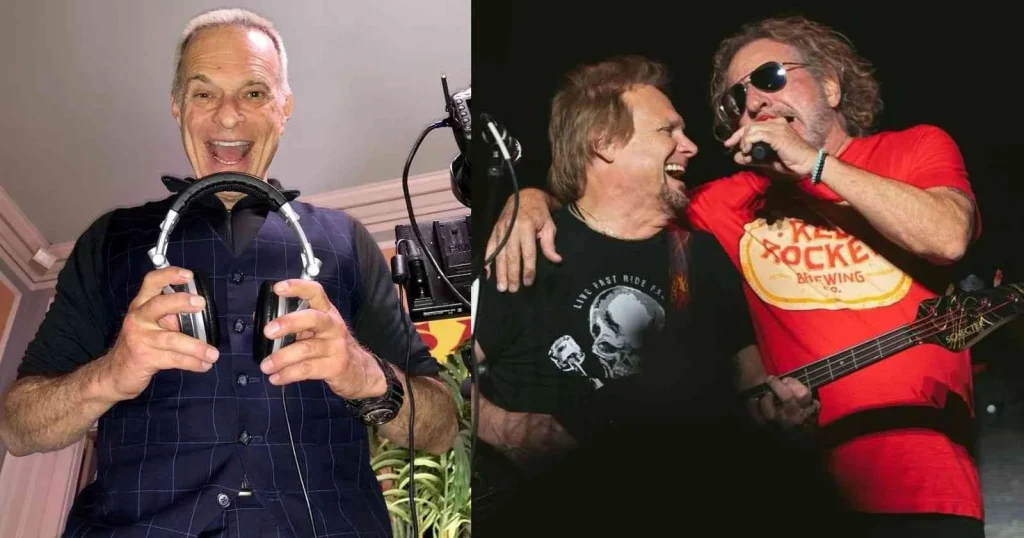
That emotional connection survived changing musical trends, aging, public feuds, industry shifts, and even the painful fallout surrounding Eddie Van Halen’s death. Sammy still projects enthusiasm in a way that doesn’t feel entirely forced or cynical.
And in classic rock, that’s surprisingly uncommon.
A lot of artists from Sammy’s generation eventually became trapped by bitterness, nostalgia, or self-destruction. Sammy certainly had messy moments. The story gets complicated sometimes. Public arguments with Eddie became painful. Critics occasionally mocked the relentless positivity. Some fans never accepted the Hagar-era Van Halen sound.
Yet somehow, the emotional core endured.
Songs like “Dreams,” “Best of Both Worlds,” and “Right Now” still carry genuine warmth decades later. They remind people of road trips, old relationships, concerts, summers, freedom, youth — entire emotional chapters of life.
That kind of permanence matters more than charts eventually.
Why Sammy’s Legacy Still Feels Alive
Honestly, I think Sammy Hagar’s biggest achievement is that he made optimism feel believable inside hard rock.
Not naive. Not fake. Believable.
He built a career around movement, energy, emotional openness, friendship, and survival without completely losing the rough edges that made rock music exciting in the first place. Fans sensed the humanity underneath the Red Rocker image the whole time.
That’s why people still argue about him so passionately.
Not because he was perfect. Because he mattered.
Somewhere tonight, somebody’s throwing on “Dreams” while driving home after a long day, suddenly feeling twenty years younger for four minutes. Somebody else is blasting “I Can’t Drive 55” with the windows down. Another fan is probably still defending the Sammy-era Van Halen records against Roth loyalists like the debate never ended.
And honestly?
That ongoing emotional connection may be the biggest achievement any rock singer could ever ask for.