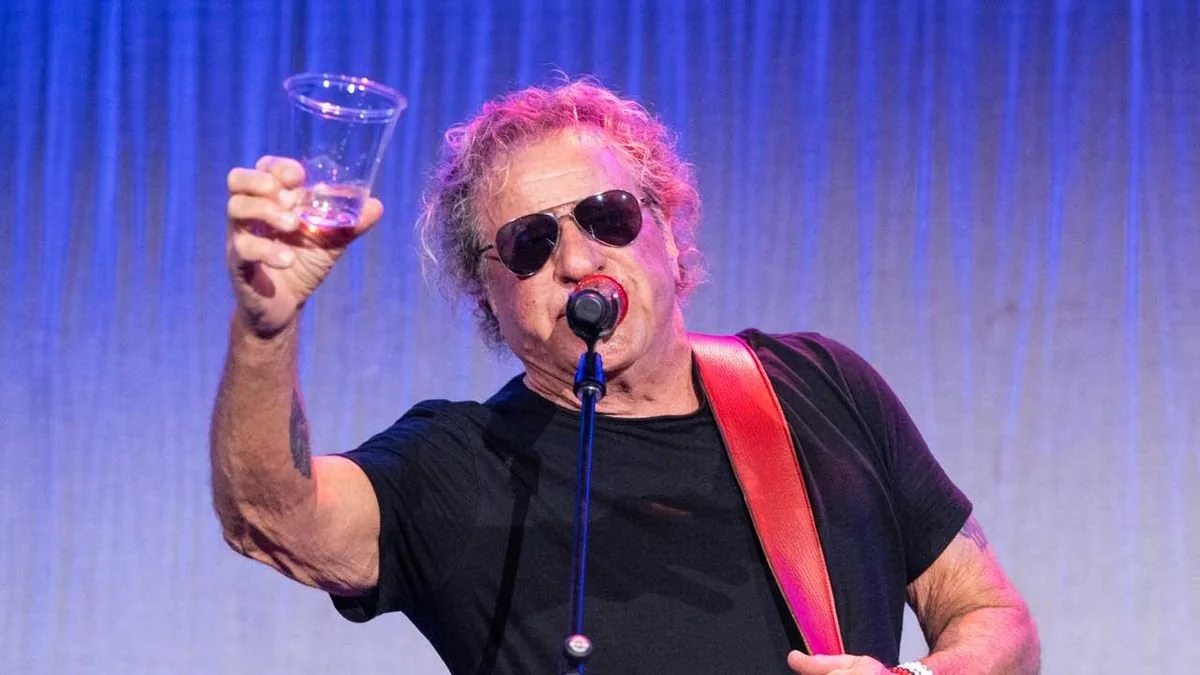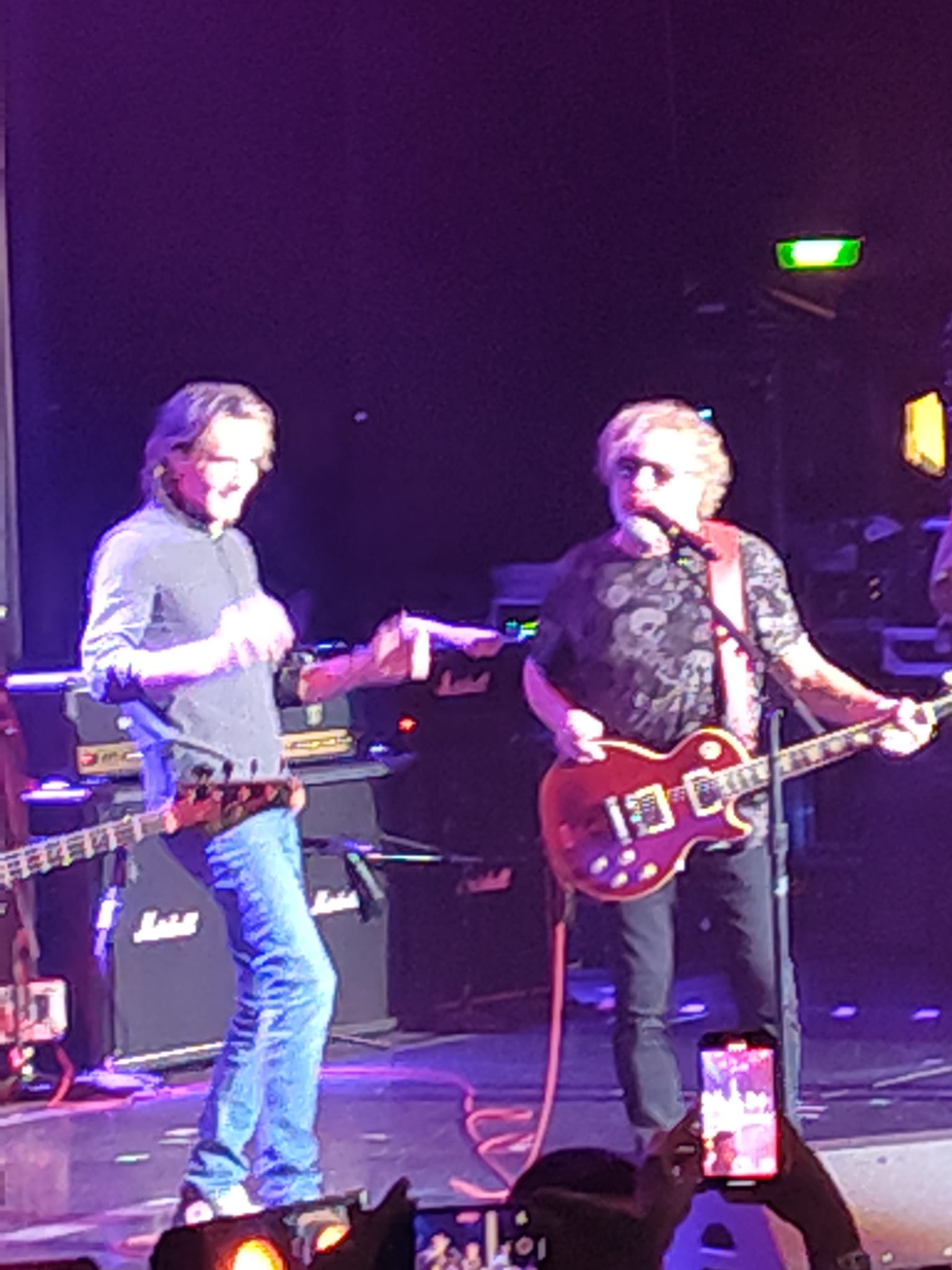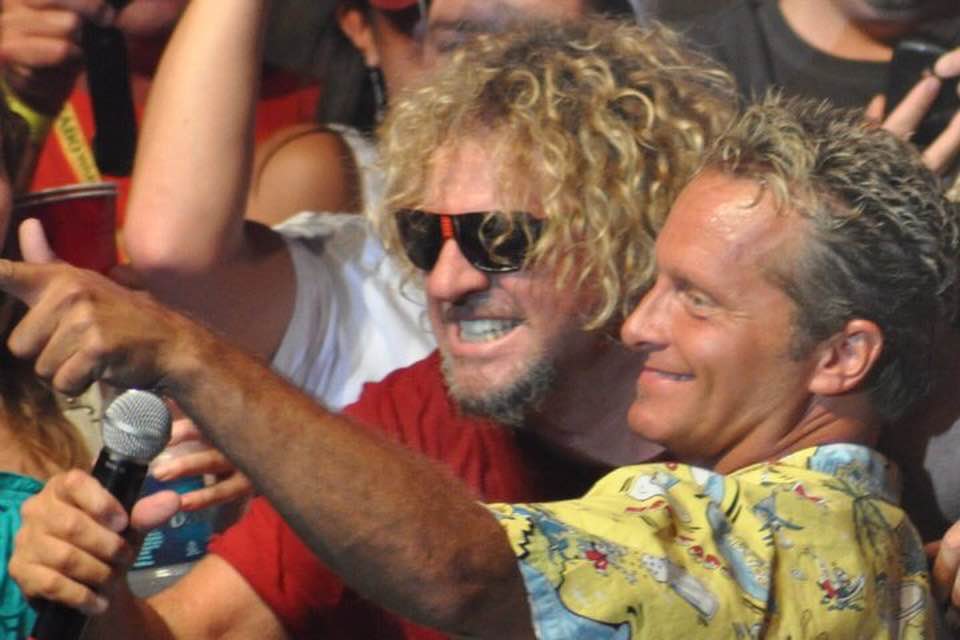
There’s a reason Sammy Hagar never ended up as one of those sad classic rock cautionary tales playing county fairs for gas money. The guy thought differently. Even back in the late ’70s, when most hard rock singers were busy trashing hotel rooms and chasing excess like it was a religion, Sammy Hagar was paying attention to ownership, branding, and longevity. That matters. Especially in classic rock, where legends disappear financially almost as fast as they rise.
What makes Sammy Hagar’s business success story so fascinating is that it never felt forced. He didn’t suddenly pivot into “celebrity entrepreneur” mode decades after fame dried up. The Red Rocker built businesses the same way he built songs like “There’s Only One Way to Rock” and “I Can’t Drive 55” — loud, confident, and unmistakably authentic. And truth be told, that authenticity may be the biggest reason fans trusted him enough to follow him far beyond the stage.
Before Cabo Wabo, Sammy Hagar Already Thought Like a Businessman
Most fans remember Sammy Hagar as the second voice of Van Halen, the guy who stepped into an impossible situation after David Lee Roth left in 1985. But long before 5150 exploded and “Why Can’t This Be Love” dominated rock radio, Hagar was already carving out a fiercely independent career.
That independence mattered.
Unlike many artists from the era, Hagar paid close attention to publishing rights and ownership. He wasn’t just chasing hits. He was building stability. You could argue that came from necessity. His early years with Montrose gave him credibility but not massive wealth, and by the late ’70s he was grinding through relentless touring cycles to stay relevant in a crowded hard rock landscape.
What’s interesting is that Sammy Hagar songs always carried a blue-collar confidence that fans connected with. He didn’t present himself as untouchable royalty. He felt approachable. Fun. A guy who’d actually have a beer with you after the show.
That image eventually became worth millions.
And honestly, most fans didn’t realize it at the time.
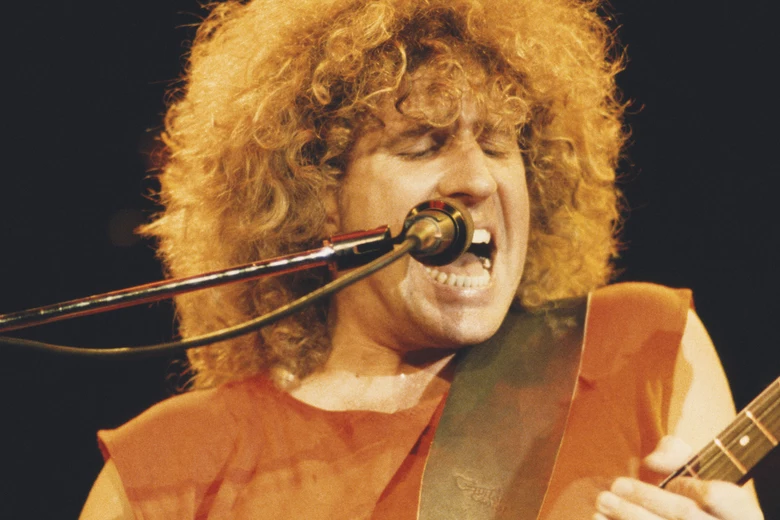
Cabo Wabo Changed Everything
If there’s one move that transformed Sammy Hagar’s business success story from impressive to legendary, it was Cabo Wabo.
Not the tequila at first. The nightclub.
Back in the late 1980s, Hagar fell in love with Cabo San Lucas, Mexico, long before it became a luxury celebrity playground. He opened the Cabo Wabo Cantina in 1990, partly because he wanted a place to hang out with friends and musicians. That’s the crazy part. The thing started almost accidentally. It wasn’t some corporate boardroom strategy cooked up by consultants.
Then came the tequila.
To be fair, celebrity alcohol brands are everywhere now. George Clooney, Dwayne Johnson, Ryan Reynolds — it’s practically an industry trend. But Sammy Hagar was early. Really early. He helped make premium tequila culturally mainstream for American rock fans before Hollywood fully figured it out.
By the late ’90s and early 2000s, Cabo Wabo Tequila exploded. The branding worked because it felt genuine. Fans knew Hagar actually lived the lifestyle he was selling. Beaches, parties, music, motorcycles, freedom — it all fit naturally with the Red Rocker persona.
Then came the bombshell.
In 2007, Hagar sold an 80% stake in Cabo Wabo Tequila to Gruppo Campari for a reported $80 million. Two years later, he sold the rest. Suddenly, the guy famous for “I Can’t Drive 55” had quietly become one of the wealthiest figures in classic rock.
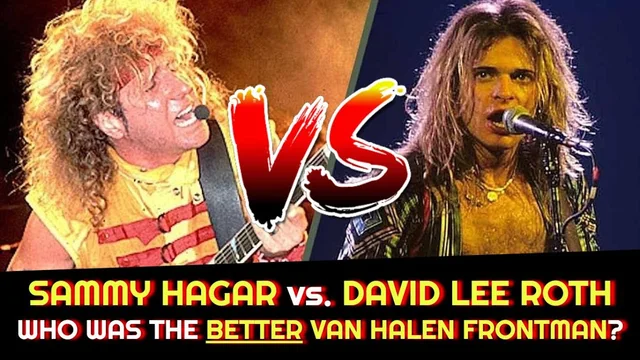
Not bad for a singer many critics once dismissed as “the other guy” in the Hagar vs Roth debate.
The Van Halen Years Gave Him a Different Kind of Power
You can’t talk about Sammy Hagar’s business success story without talking about Van Halen. The timing matters too much.
When Hagar joined Van Halen after Roth’s departure, plenty of fans were skeptical. Some still are. The Hagar vs Roth argument might honestly outlive all of us. Roth represented danger, swagger, and unpredictability. Hagar brought melody, professionalism, and emotional depth. Different energies entirely.
But commercially? The Hagar era was massive.
5150 debuted at No. 1 in 1986. So did OU812, For Unlawful Carnal Knowledge, and Balance. That run cemented Hagar as more than a replacement singer. He became part of one of the biggest arena rock machines America had ever seen.
And here’s the thing people forget: those years massively expanded his audience. Suddenly, Sammy Hagar wasn’t just a hard rock cult hero. He became mainstream.
That mainstream exposure supercharged everything else he touched.
Cabo Wabo gained credibility because millions already knew the face behind it. His concerts became marketing engines before social media existed. Every tour shirt, interview, and backstage story reinforced the same image: Sammy as the ultimate rock-and-roll good-time survivor.
Meanwhile, Eddie Van Halen remained consumed mostly by music and innovation. Hagar, on the other hand, balanced creativity with entrepreneurship in a way few rock stars ever managed.
In many ways, they complemented each other perfectly until they didn’t.
Why Fans Trusted Sammy Hagar More Than Other Rock Entrepreneurs
A lot of musicians try to sell products. Most fail because fans smell the cash grab immediately.
Hagar avoided that trap.
Part of it comes down to personality. He never positioned himself as a polished corporate mogul. Even after making serious money, he still came across like the same guy yelling into a microphone at the US Festival in 1983 or tearing through “Heavy Metal” from the Heavy Metal soundtrack.
That consistency matters more than people think.
When Hagar launched restaurants, beach bars, rum brands, and merchandise, fans didn’t feel manipulated. They felt invited into the lifestyle. There’s a difference. A huge one.
Most fans believe that’s why the Red Rocker brand survived while other celebrity ventures faded. Sammy Hagar never acted above the audience. He leaned into the communal side of classic rock culture — parties, road trips, tailgates, concerts, tequila nights with old friends blasting Van Halen records.
And honestly, the timing helped too. Hagar came from an era before influencers and algorithm-driven branding. That gave his ventures an old-school credibility younger celebrity brands sometimes lack.
You could argue he became successful because he understood something many artists miss: fans don’t just buy products. They buy identity.
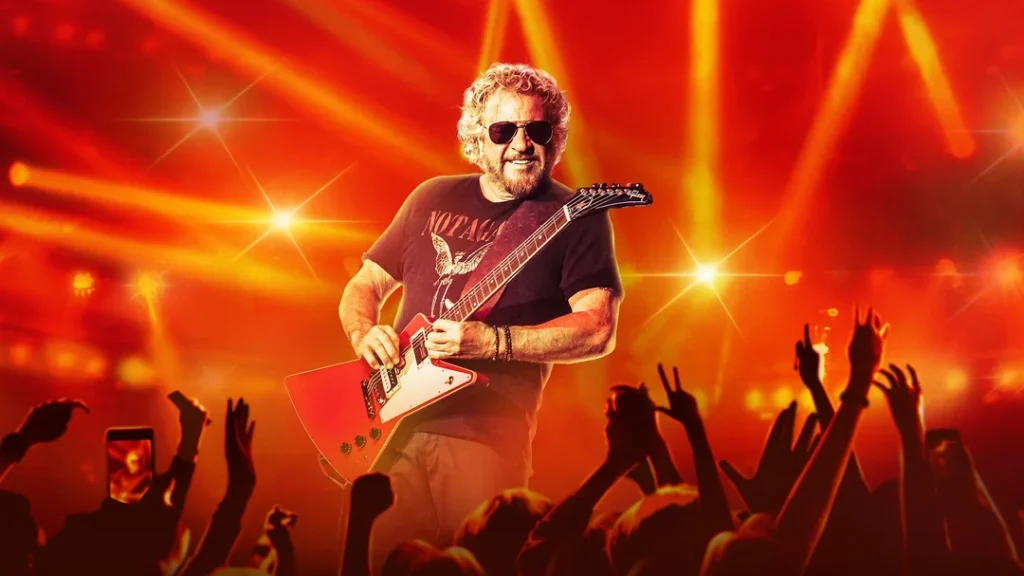
The Red Rocker Learned How to Age Without Becoming Irrelevant
Classic rock history is filled with artists trapped by nostalgia. Sammy Hagar somehow turned nostalgia into fuel instead of a prison.
That’s harder than it sounds.
Even now, Hagar continues touring with projects like The Circle and Best of All Worlds while keeping his business empire active. He adapted without pretending to be 28 years old forever. That balance is rare in rock music, where aging often gets awkward fast.
What’s interesting is how he embraced legacy without becoming consumed by it. He still celebrates Van Halen openly. He still honors Eddie Van Halen, especially after Eddie’s death in 2020. But he also kept building new ventures instead of endlessly recycling old stories.
There’s maturity in that.
And fans noticed.
Listen to interviews Hagar gives today and you’ll hear a guy who genuinely seems grateful he survived the madness of the music industry with both his passion and financial stability intact. That isn’t common among his peers.
Especially from that era.
A lot of classic rock legends ended up bitter, broke, or disconnected from their audiences. Hagar stayed visible, energetic, and surprisingly relatable. Whether you prefer Roth-era Van Halen or not, it’s hard not to respect the way Sammy built a second career without abandoning the first one.
Was Sammy Hagar Actually Smarter Than the Industry Gave Him Credit For?
For decades, critics sometimes treated Sammy Hagar like the “safe” version of rock stardom. Less dangerous than Roth. Less mystical than Eddie Van Halen. Less revolutionary than punk or grunge icons.
But if you think about it, Hagar may have understood the long game better than almost anybody from his generation.
He recognized early that fame alone wasn’t security. Touring ends. Trends change. Radio formats die. Even giant bands collapse under ego and addiction. So he diversified while still protecting the core identity fans loved.
And importantly, he never stopped working.
That work ethic runs through his entire career — from Montrose to solo success, from Van Halen to Cabo Wabo, from arena tours to business deals worth tens of millions. The guy kept showing up. Kept evolving. Kept finding ways to stay culturally relevant without pretending to be somebody else.
That’s rare in American rock history.
Maybe that’s why Sammy Hagar’s business success story resonates so strongly with classic rock fans now. It isn’t just about money. It’s about survival. Reinvention. Figuring out how to grow older without losing the spirit that made people care in the first place.
And honestly, every time “Right Now” or “Dreams” comes on the radio, there’s a little reminder hiding beneath the nostalgia: the Red Rocker didn’t just outlast the business side of rock and roll.
He beat it at its own game.