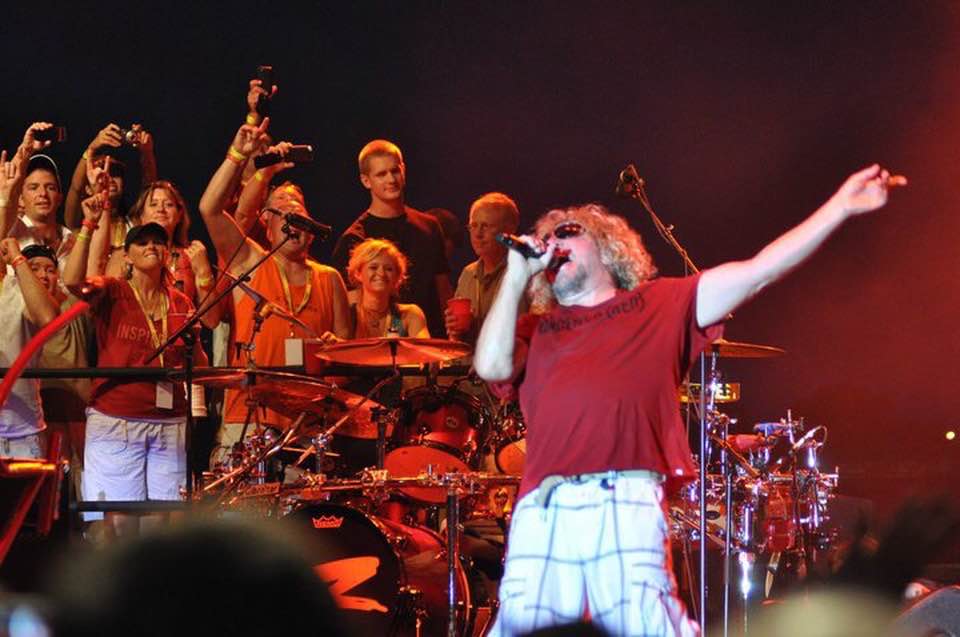
There’s a reason people still argue about Sammy Hagar at barbecues, in YouTube comment sections, and outside old amphitheaters after tribute shows. The guy didn’t just survive classic rock — he kept reinventing himself inside it. That’s rare. Especially in a genre littered with burned-out voices, broken bands, and careers frozen in one glorious decade.
What made Sammy Hagar successful wasn’t just one thing. It wasn’t only the voice. Or the party image. Or even joining Van Halen at exactly the right time. Truth be told, Hagar’s success came from something a lot harder to define: adaptability without losing identity. He could headline arenas as the hard-driving Red Rocker, then pivot into one of the biggest rock bands on Earth and somehow still sound unmistakably like himself.
And if you grew up blasting “Right Now” or “I Can’t Drive 55” through cheap car speakers, you know exactly what that means.
Before Van Halen, Sammy Hagar Was Already Built for the Fight
Most casual fans forget this part. By the time Eddie Van Halen called Hagar in 1985, Sammy had already spent over a decade grinding through the music business.
That matters.
He first broke through with Montrose in the early ’70s. Their 1973 debut album, produced by Ted Templeman, became hugely influential for American hard rock. Songs like “Rock Candy” and “Bad Motor Scooter” weren’t just heavy — they had swagger. You can hear the DNA of later arena rock all over that record.
But here’s the thing: Hagar didn’t become an overnight superstar after Montrose. In fact, the story gets complicated here. He spent years building a solo career that was respected but inconsistent commercially. Albums like Standing Hampton (1981) and Three Lock Box (1982) sold well enough, and “Your Love Is Driving Me Crazy” gave him MTV exposure, but he still felt like a cult hero more than a mainstream giant.
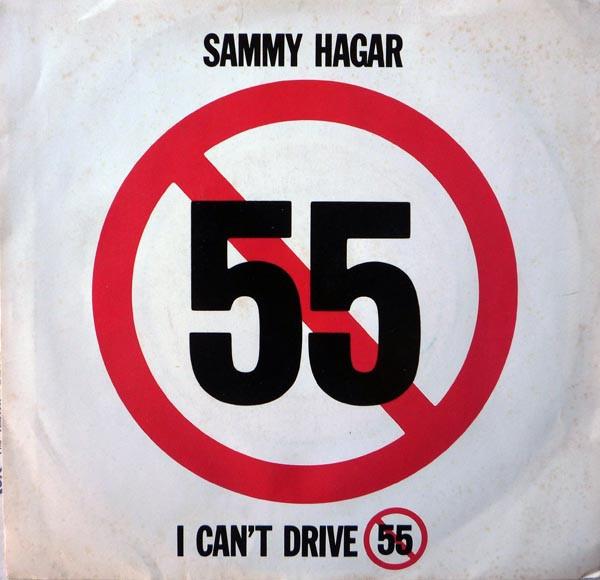
Then came “I Can’t Drive 55” in 1984.
That song changed everything.
Not only did it perfectly capture Hagar’s personality — rebellious, funny, loud, reckless — it also gave him a clear identity. The Red Rocker wasn’t some label invented by marketers. Fans believed it. That authenticity became one of the biggest reasons for Sammy Hagar’s success later on.
The Voice That Could Handle Anything
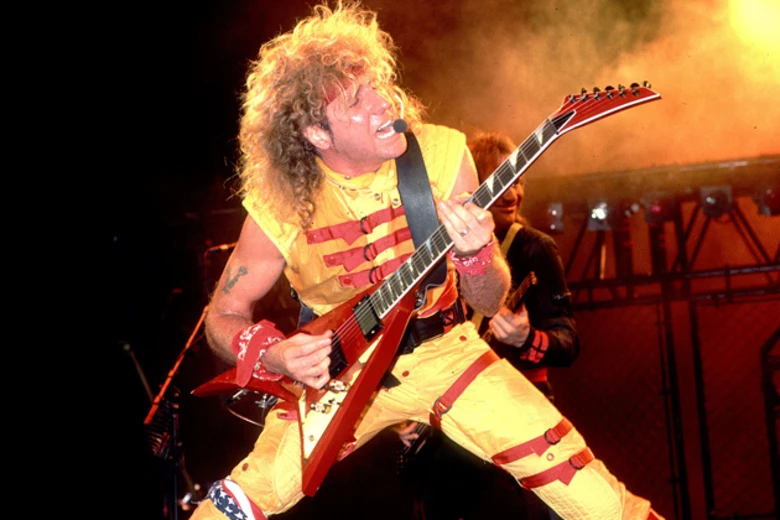
You could argue Hagar’s greatest weapon was his voice. Seriously. Even among elite classic rock singers, his range was ridiculous.
A lot of frontmen from the late ’70s and ’80s leaned heavily on attitude. Sammy had that too, but he also had technical power. He could scream over massive guitar riffs without sounding strained, and he could shift into melodic territory without losing grit.
That became crucial when he joined Van Halen after David Lee Roth left in 1985.
Most fans believed replacing Roth was impossible. Honestly, they weren’t wrong. Roth wasn’t just a singer — he was a character, a circus ringmaster. The original Van Halen lineup had chemistry that felt dangerous and unpredictable. Bringing in Hagar could’ve killed the band overnight.
Instead, the band evolved.
The 1986 album 5150 debuted at No. 1 on the Billboard chart and proved this wasn’t some desperate replacement act. Songs like “Dreams,” “Why Can’t This Be Love,” and “Love Walks In” expanded Van Halen’s sound into something bigger and more melodic.
What’s interesting is that Hagar allowed Eddie Van Halen to explore his keyboard-heavy songwriting instincts without losing the emotional weight of the music. Roth-era Van Halen was wild and street-smart. Hagar-era Van Halen felt more mature, more polished, sometimes even emotional.
That divide still fuels the Hagar vs Roth debate today.
The Hagar vs Roth Argument Never Really Ends
Let’s be honest: classic rock fans treat this debate like religion.
Ask ten fans whether the Roth era or Hagar era was better, and you’ll probably start a war before dessert arrives. And in many ways, that debate itself helped keep Sammy Hagar relevant for decades.
The Roth years gave us raw masterpieces like Van Halen (1978), Women and Children First (1980), and 1984. That version of the band felt explosive. Dangerous. Almost punk in attitude despite the technical brilliance.
But the Hagar years produced huge commercial success. OU812 (1988), For Unlawful Carnal Knowledge (1991), and Balance (1995) turned Van Halen into a more consistent arena powerhouse. Songs like “Right Now,” “Finish What Ya Started,” and “Top of the World” connected with a wider audience.
To be fair, some older fans hated the slicker production and emotional lyrics. They thought the band got too polished. Others loved the maturity and musicianship.
Sammy himself leaned into that tension over the years. He often defended the emotional honesty of the Hagar-era material, while Roth embraced the flashy mythology of the original lineup. Different energies. Different philosophies.
And honestly? Both eras mattered.
Without Roth, Van Halen probably never becomes revolutionary. Without Hagar, they probably don’t survive the late ’80s and early ’90s at such a massive level.
Sammy Hagar Understood the Business Side of Rock
Most rock stars are terrible businessmen. Hagar wasn’t.
That’s another huge reason Sammy Hagar stayed successful long after many of his peers faded. He understood branding before rock musicians really talked about branding.
Take Cabo Wabo.
What started as a song on the 1988 OU812 album eventually became a nightclub in Cabo San Lucas, then a tequila brand that exploded in popularity. In 2007, Hagar reportedly sold an 80% stake in Cabo Wabo Tequila for around $80 million.
That’s not dumb rock-star luck. That’s vision.
And here’s the part many fans miss: the business ventures actually fit his image. The beach parties, the tequila, the loose atmosphere — it all felt authentic to who Hagar already was publicly. It never came across like a forced celebrity cash grab.
Compare that to some aging rockers slapping their names on random products nobody believes they use. Huge difference.
Even now, Hagar still tours aggressively through projects like The Circle and various all-star collaborations. He stayed visible without becoming a nostalgia caricature.
That balance is harder than it looks.
Eddie Van Halen and Sammy Hagar Had Real Musical Chemistry
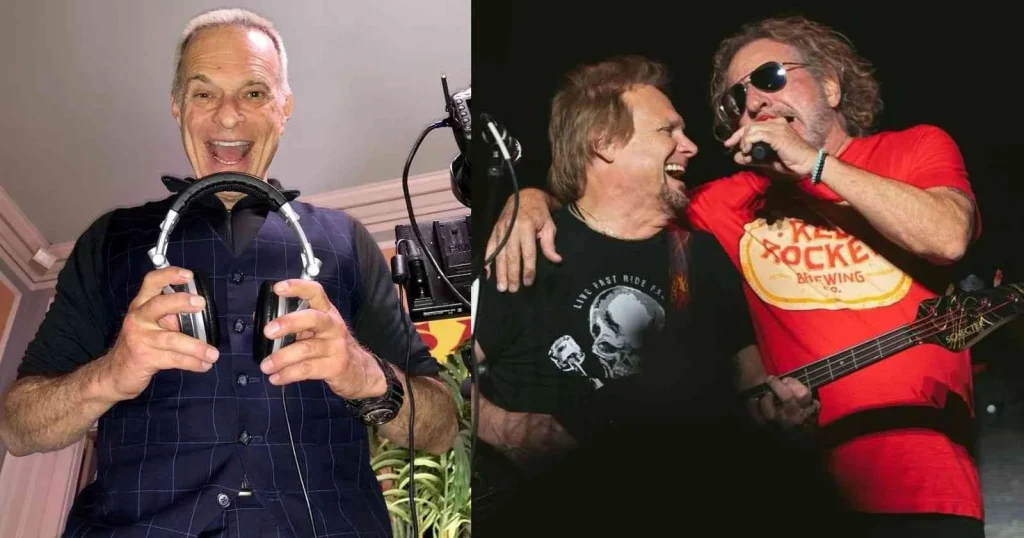
The personal relationship between Hagar and Eddie Van Halen gets messy depending on which interview you read. There were periods of friendship, resentment, reconciliation, and public frustration. By the mid-1990s, tensions inside Van Halen were obvious.
Still, musically? They connected.
That’s why songs like “Right Now” hit so hard.
Eddie’s piano intro carried emotional weight nobody expected from a band once famous for party anthems like “Hot for Teacher.” Hagar matched that seriousness with lyrics that felt reflective without becoming preachy. The result became one of the defining rock songs of the early ’90s.
You hear similar chemistry on “Dreams.” Eddie builds this soaring wall of sound, and Hagar absolutely attacks it vocally. Most singers would’ve disappeared underneath those arrangements. Sammy elevated them.
In my opinion, that’s where the Hagar era earns its respect. Not because it replaced the Roth era, but because it dared to become something else entirely.
And honestly, few bands survive that kind of transformation.
Longevity Matters More Than Coolness
Here’s something rock history teaches over and over again: being cool for five years is easy. Staying relevant for fifty? Almost impossible.
Sammy Hagar figured that out.
He never tried to act twenty-five forever. Even as classic rock evolved into legacy-act territory, Hagar leaned into joy instead of bitterness. That attitude helped him age better than many of his contemporaries.
You watch interviews with him today, and there’s still genuine enthusiasm there. He still talks about music like a fan. He still gets excited discussing guitars, old tours, Eddie’s genius, or the madness of the Sunset Strip era.
Fans respond to that sincerity.
And look, not everyone loves every Sammy Hagar song. Some people will always prefer the sleazier, unpredictable edge of early Van Halen. Others think Hagar brought emotional depth the band desperately needed.
That tension is part of what keeps the conversation alive.
Because the truth is, Sammy Hagar’s success was never about replacing somebody else. It was about surviving every version of rock stardom imaginable — club circuits, MTV fame, arena domination, business empire-building, nostalgia tours, personal fallout, reunions, reinventions.
Very few artists manage all of that without losing themselves somewhere along the way.
And maybe that’s why fans still care. Not just because of the hits. Not just because of the memories. But because Sammy Hagar always seemed like a guy who genuinely loved the ride, even when the road got ugly.
Classic rock doesn’t produce many survivors anymore.
The Red Rocker did more than survive. He stayed standing.