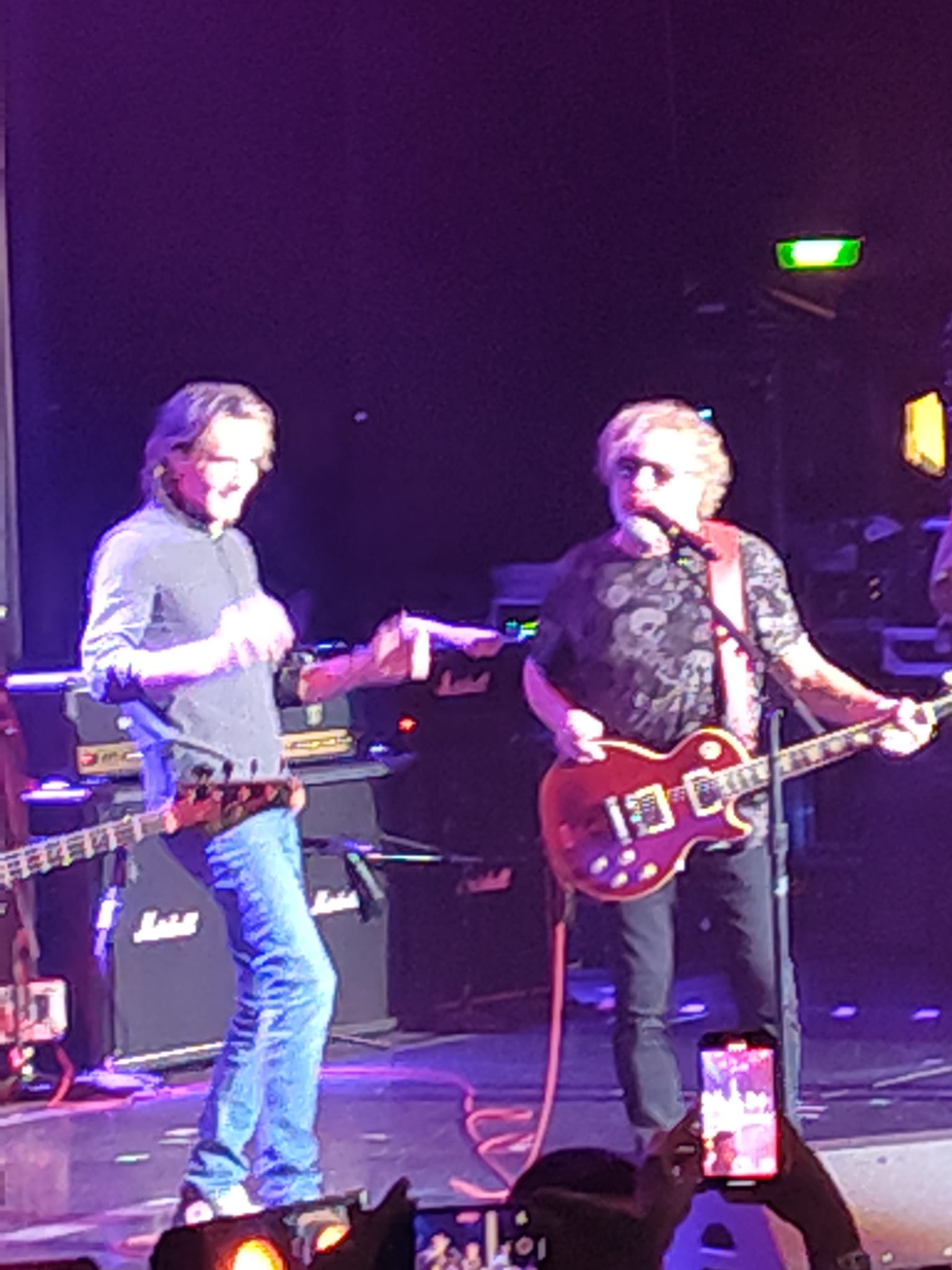
Truth be told, Sammy Hagar’s career is a little unusual when you compare him to other classic rock legends.
Some artists become famous because of one band.
Others because of one massive solo hit.
Hagar somehow managed both.
That’s probably why conversations about the best Sammy Hagar songs can get surprisingly heated among rock fans 😅
Some people immediately think of:
👉 “I Can’t Drive 55”
Others jump straight into the Van Halen years.
And honestly?
Both sides have a strong case.
Because Sammy Hagar’s biggest hits weren’t limited to one era. They stretched across solo albums, Van Halen stadium anthems, and decades of classic rock history.
🔥 “I Can’t Drive 55” — The Ultimate Red Rocker Anthem
If there’s one song most casual fans instantly recognize, it’s this one.
Released in 1984, “I Can’t Drive 55” became more than just a rock hit — it became part of American pop culture.
The song perfectly captured:
- Fast-car energy
- 80s rebellion
- Arena-rock attitude
And honestly, it fit Hagar’s personality perfectly.
You’ll notice something important here:
This wasn’t just a catchy song.
It helped define the entire “Red Rocker” identity.
Even today, decades later, it’s probably the first Sammy Hagar song many people think about.
⚡ “Right Now” — One of the Most Emotional Van Halen Hits
Now this one feels different.
When Sammy Hagar joined Van Halen after David Lee Roth left, the band’s sound shifted noticeably.
More melody.
More emotional depth.
More reflective songwriting.
And honestly, “Right Now” may be the best example of that evolution.
Released in 1991, the song combined:
- Eddie Van Halen’s emotional piano work
- Big arena-rock production
- Hagar’s powerful vocals
Truth be told, this song aged incredibly well.
A lot of fans who weren’t even around during the original release still connect with it today.
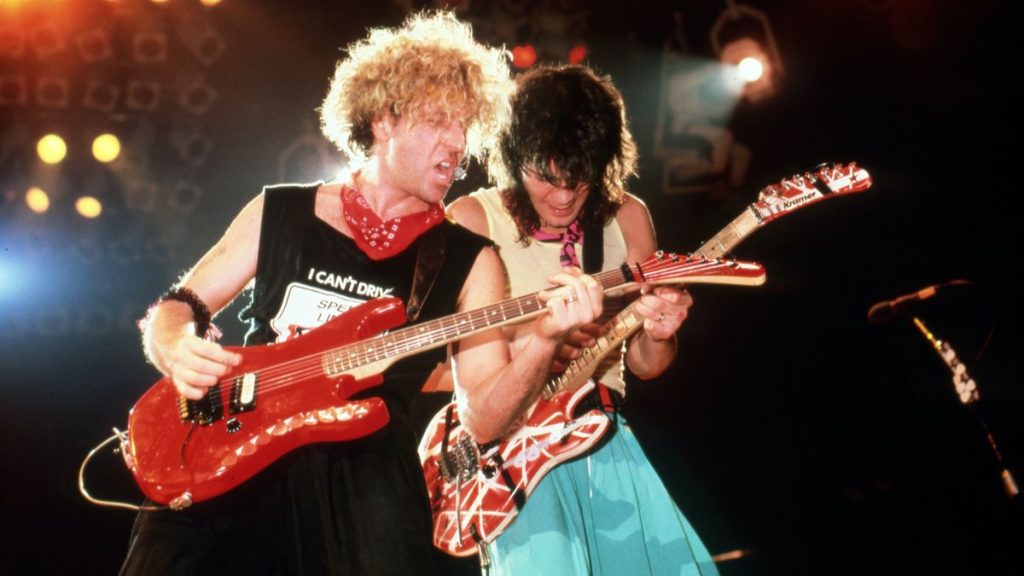
🎤 “Why Can’t This Be Love” — The Song That Introduced the Hagar Era
This was the moment fans realized:
👉 Van Halen with Hagar might actually work.
When 5150 dropped in 1986, expectations were messy. Some fans were angry about Roth leaving. Others were curious.
Then this song exploded onto rock radio.
And honestly?
It changed the conversation overnight.
The track introduced a more melodic version of Van Halen — something that would define much of the Hagar era.
Some old-school fans hated the keyboards and cleaner production.
Others loved the emotional hooks.
And that debate still exists today.
🎸 “Dreams” — The Song That Showed Hagar’s Vocal Power
Truth be told, “Dreams” might be one of the most vocally demanding songs in Van Halen’s catalog.
The soaring vocals.
The emotional delivery.
The huge chorus.
It showcased something many fans already believed:
👉 Sammy Hagar was an elite rock vocalist.
Even critics of the Hagar era often admit this song is impressive.
And honestly, few classic rock tracks capture that hopeful late-80s atmosphere quite like “Dreams.”
🔥 “There’s Only One Way to Rock” — Pure Arena Rock Energy
Before Van Halen, Hagar already had major solo success.
And this song proved it.
Released in 1981, “There’s Only One Way to Rock” became one of the defining Sammy Hagar songs of the early 80s.
It’s loud.
Simple.
Confident.
And honestly?
That’s why it works.
You’ll still hear it on classic rock radio constantly because it captures the pure spirit of arena rock without overcomplicating things.
⚡ “Poundcake” — Heavy Hagar-Era Van Halen
If you think the Hagar years were all polished ballads and keyboards, “Poundcake” says otherwise 😅
Released on For Unlawful Carnal Knowledge in 1991, the song brought back heavier guitar-driven energy.
Eddie Van Halen’s riffs sound huge here.
And Hagar’s vocals cut through perfectly.
Most fans agree this track proved the Hagar-era lineup could still hit hard when they wanted to.
🎶 “Finish What Ya Started” — Unexpected but Memorable
This song divided fans a little.
Acoustic groove.
Bluesy feel.
Less aggressive than typical Van Halen tracks.
But honestly?
That uniqueness made it memorable.
You’ll notice something important about Sammy Hagar’s biggest hits:
They weren’t all trying to sound the same.
That versatility helped his career survive changing eras.
🎤 “Heavy Metal” — A Cult Favorite That Never Really Died
Truth be told, this song deserves more recognition than it gets.
Featured in the 1981 animated film Heavy Metal, the track became a cult favorite among rock fans.
It captures early Sammy Hagar energy perfectly:
- Loud
- Fast
- Slightly reckless
- Fun
And honestly, it still sounds great blasting through speakers today.

⚖️ The Hagar vs Roth Debate Changed How Fans Viewed the Hits
This part is impossible to ignore.
The Hagar vs Roth debate shaped how many fans interpreted Van Halen songs for decades.
Some believed:
👉 Roth-era Van Halen was more iconic.
Others argued:
👉 Hagar-era Van Halen had stronger songwriting and vocals.
And honestly?
It depends what kind of rock fan you are.
But regardless of which side people choose, Hagar’s biggest hits remained part of classic rock culture.
That says something important.
❤️ Why These Songs Still Matter Today
If you revisit these tracks now, you’ll notice something surprising.
They still feel alive.
Not every 80s rock song aged well.
Some sound trapped in their era.
But many Sammy Hagar songs still connect emotionally because they balanced:
- Big hooks
- Strong vocals
- Genuine energy
And honestly, fans respond to authenticity more than perfection.
🎸 Solo Hits vs Van Halen Hits
This is another endless fan debate 😅
Some fans prefer:
👉 Solo Red Rocker Sammy Hagar
Others prefer:
👉 Van Halen-era Hagar
And honestly, both versions worked for different reasons.
The solo years felt rawer and freer.
The Van Halen years felt bigger and more polished.
Neither side is completely wrong.
🧠 Final Thought
Truth be told, Sammy Hagar’s biggest hits weren’t just successful songs.
They captured moments in rock history:
- The rise of arena rock
- The transformation of Van Halen
- The personality of the Red Rocker himself
And maybe that’s why fans still revisit them decades later.
👉 Because in the end, the best classic rock songs don’t just remind people of music… they remind people of who they were when they first heard them.