When people talk about life after Sammy Hagar left Van Halen in 1996, the conversation usually starts with chaos. Lawyers. Public feuds. Hurt feelings. The endless “Hagar vs Roth” arguments that still light up classic rock forums like it’s 1988 all over again.
But here’s the thing most fans don’t fully appreciate: Sammy Hagar didn’t fade away after Van Halen. Not even close.
A lot of singers leave legendary bands and spend the next twenty years chasing old glory. Sammy somehow turned his post-Van Halen years into an entirely different kind of success story. Bigger business ventures. More creative freedom. Stadium tours. Tequila empires. And, strangely enough, some of the most honest music of his career.
Truth be told, his exit from Van Halen almost forced him to reinvent himself. And in many ways, that reinvention made the “Red Rocker” even more culturally relevant than he’d been before.
That’s what makes this chapter so fascinating to longtime rock fans. It wasn’t just about surviving after Eddie Van Halen. It was about figuring out who Sammy Hagar really was without the machine around him.
And depending on who you ask, that second act may have been the most interesting part of the whole story.
The Breakup That Never Really Healed
By the mid-1990s, tensions inside Van Halen had become impossible to ignore. On paper, things still looked huge. The band’s 1995 album Balance debuted at No. 1. The tour was massive. Fans still packed arenas across America.
But behind the scenes? Different story entirely.
Most fans know the broad strokes. Sammy Hagar wanted more control. Eddie Van Halen was battling personal demons and reportedly growing increasingly unpredictable in the studio. The band’s internal communication had broken down to the point where lawyers and managers often acted as middlemen.
The story gets complicated here because everybody remembers it differently.
Sammy has repeatedly claimed he was effectively pushed out after disagreements over a greatest hits album and a proposed reunion-style project. Eddie later suggested Sammy wasn’t fully committed anymore. To be fair, there’s probably truth on both sides. Rock bands rarely implode because of one argument. Years of resentment pile up quietly until something snaps.
And when it finally did snap in 1996, it felt seismic to rock fans.
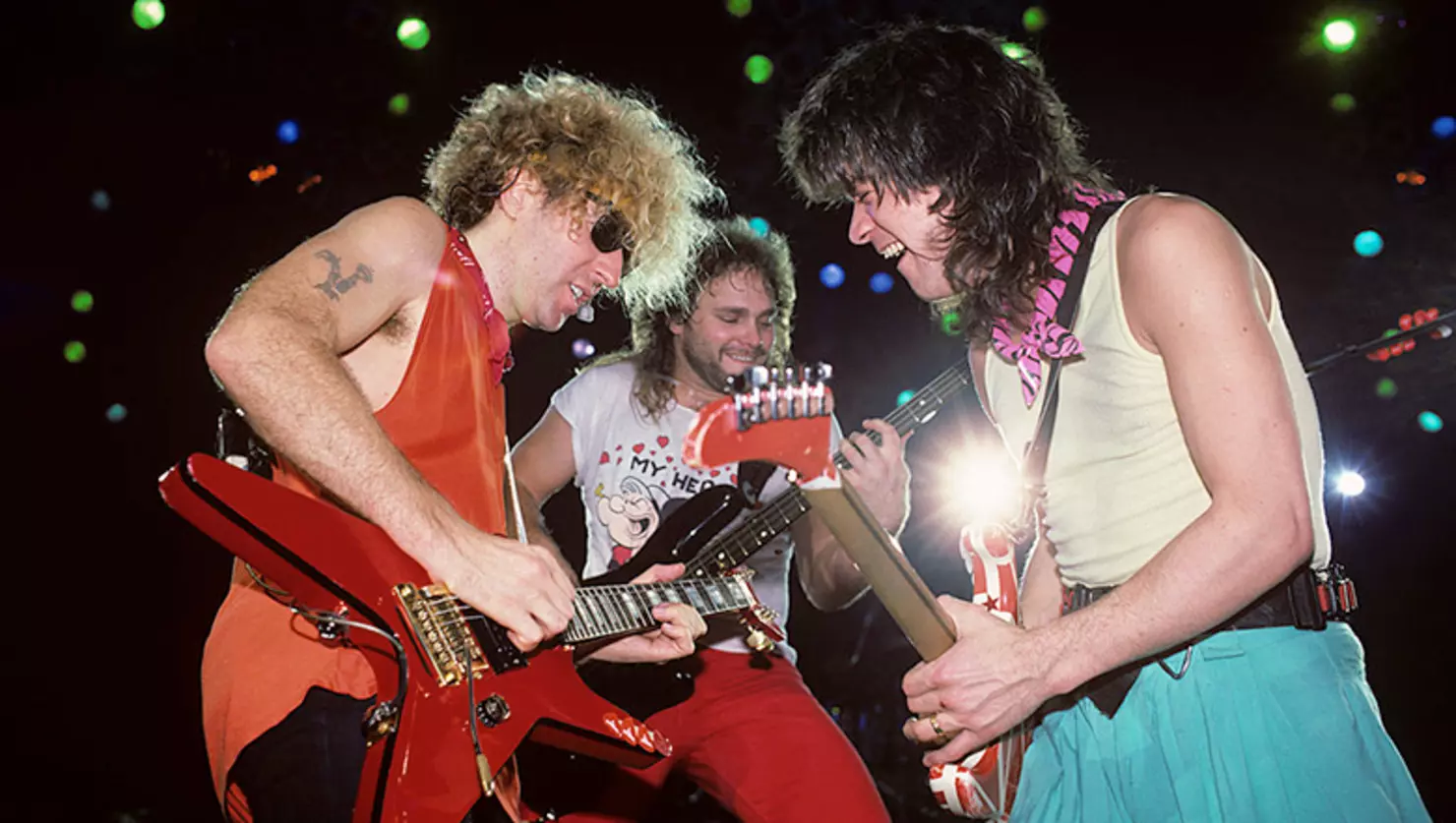
You have to remember how huge the Hagar era really was. Younger fans sometimes underestimate it because the original David Lee Roth years became mythologized over time. But commercially? The Sammy years were enormous. Four straight No. 1 albums. Massive MTV exposure. Arena tours that felt more polished and mature than the early party-band era.
Songs like “Right Now,” “Why Can’t This Be Love,” “Dreams,” and “Finish What Ya Started” became deeply woven into late-’80s and early-’90s American rock culture. Those weren’t side notes in Van Halen history. They were defining moments.
So when Sammy Hagar left Van Halen, fans genuinely wondered whether either side could recover creatively.
Sammy Went Back to Being Sammy
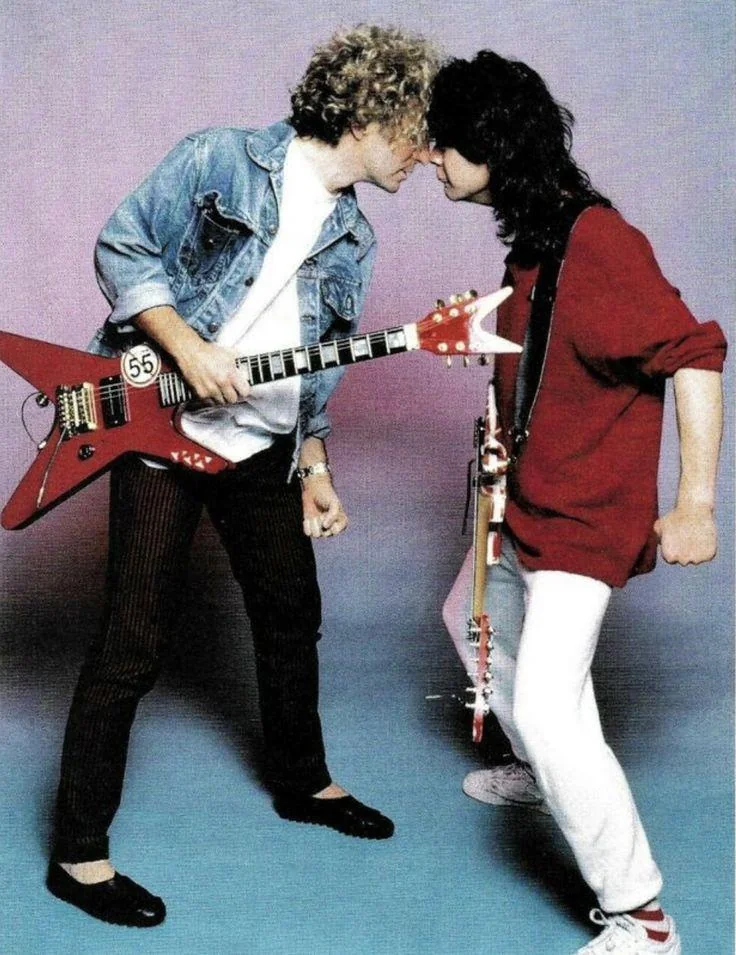
What’s interesting is that Sammy Hagar didn’t immediately try to “replace” Van Halen in his life. He went back to something more personal.
The first major statement came with 1997’s Marching to Mars. In my opinion, it remains one of the most underrated Sammy Hagar albums ever recorded. It wasn’t designed for radio domination. It sounded reflective. Sometimes angry. Sometimes oddly vulnerable.
You could hear a guy trying to process the collapse of one of the biggest bands in the world.
Tracks like “Little White Lie” had the swagger fans expected, but other songs dug deeper emotionally than a lot of casual listeners realized. The title track especially felt like a man staring into middle age and asking hard questions about purpose, fame, and identity.
That mattered.
Because during the late ’90s, classic rock itself was in a strange place. Grunge had changed everything earlier in the decade. Alternative rock dominated radio. Many legacy acts sounded lost trying to keep up with trends.
Sammy didn’t chase trends.
Instead, he leaned harder into being the Red Rocker. Loud guitars. Melodic hooks. California energy. Car songs. Party songs. Honest songs about aging. It felt authentic because it was authentic.
And unlike some of his peers, Sammy Hagar genuinely seemed comfortable in his own skin after Van Halen. Maybe not immediately. But eventually.
You could argue that freedom actually helped him reconnect with fans in a more direct way than arena-level Van Halen ever allowed. The band had become such a giant corporate machine by the mid-’90s that individuality sometimes got buried underneath expectations.
Solo Sammy felt human again.
Cabo Wabo Changed Everything
Now here’s the part casual rock fans often miss entirely.
Sammy Hagar didn’t just survive musically after Van Halen. He became an astonishingly successful entrepreneur.
And it all revolved around Cabo San Lucas.
Long before celebrity alcohol brands became standard, Sammy built the Cabo Wabo lifestyle almost by accident. The Cabo Wabo Cantina opened in 1990 during the Van Halen years, originally as a fun side project and hangout spot. But after leaving the band, Sammy poured more energy into it.
Then came the tequila.
Most fans assumed Cabo Wabo Tequila was another vanity project with a rock star’s name slapped on the bottle. It turned out to be the opposite. The brand exploded because the tequila was actually respected. Bartenders liked it. Tequila drinkers took it seriously. Industry people noticed.
By 2007, Sammy sold an 80% stake in Cabo Wabo Tequila to Gruppo Campari for a reported $80 million, with later deals pushing the total much higher.
Think about that for a second.
The guy many people thought had been “fired” from Van Halen quietly became wealthier than most rock stars could ever dream of.
But what made it work was personality. Sammy wasn’t pretending to be some mysterious billionaire businessman. He was still the same guy talking about beaches, parties, Ferraris, and music. Fans bought into the lifestyle because it felt connected to who he’d always been publicly.
Truth be told, Sammy Hagar may have invented the modern rock-star lifestyle brand before anybody realized there was money in it.
Today, you see echoes of that blueprint everywhere.
The Reunion Years Got Messy Fast
Of course, the Van Halen story never stays buried for long.
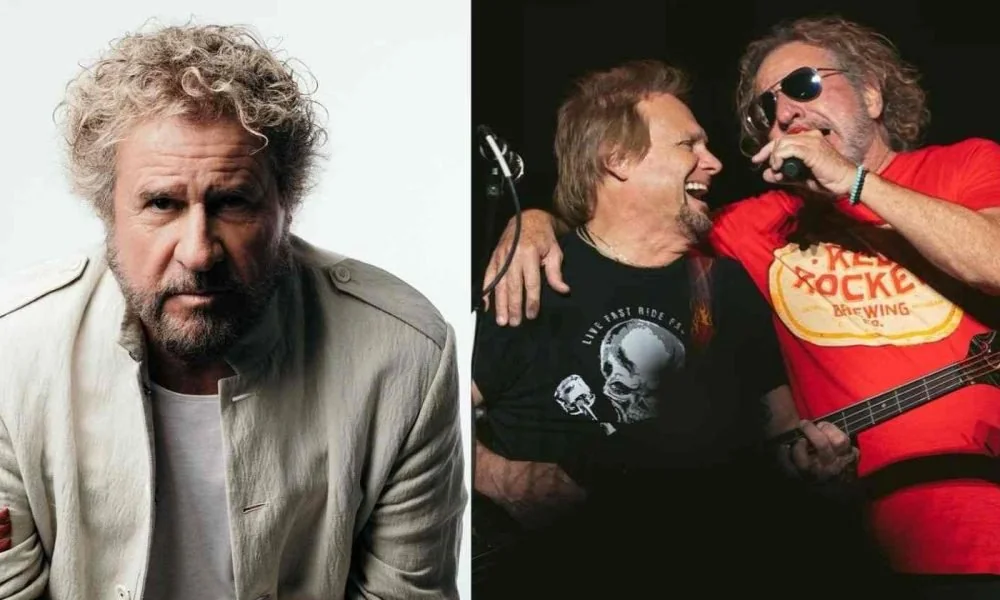
In 2004, Sammy returned for a reunion tour with Eddie Van Halen, bassist Michael Anthony, and drummer Alex Van Halen. On paper, it sounded like a dream for Hagar-era fans.
Reality was rougher.
Eddie was reportedly struggling badly with alcohol during the tour. Sammy later described the experience as emotionally exhausting and unstable. Fans attending different shows saw wildly different performances depending on Eddie’s condition that night.
And yet, there were flashes of magic.
That’s the frustrating thing about Van Halen reunions. Even during dysfunctional periods, the chemistry could suddenly reappear for five minutes and remind everybody why the band mattered so much in the first place.
The 2004 tour also reignited old fan debates.
The “Hagar vs Roth” argument is basically classic rock’s version of Yankees vs Red Sox at this point. It never ends. Roth loyalists argue the original lineup had more danger, swagger, and innovation. Hagar fans point to stronger musicianship, bigger choruses, and more emotionally mature songwriting.
Honestly? Both sides have legitimate arguments.
The Roth era changed hard rock forever. No question.
But the Sammy Hagar years expanded Van Halen musically in ways that allowed them to survive the changing music landscape of the late ’80s and early ’90s. Songs like “Right Now” simply do not exist without Sammy’s melodic instincts and keyboard-friendly sensibility.
What’s sad is that the reunion years often deepened personal wounds rather than healing them.
By the late 2000s, Sammy and Eddie were barely speaking again. Interviews became tense. Public comments grew harsher. Fans felt caught in the middle.
Then something unexpected happened.
Eddie Van Halen’s Death Changed the Conversation
When Eddie Van Halen died in October 2020, the endless arguments suddenly felt smaller.
Not irrelevant. Just smaller.
For years, fans had watched the tension between Sammy and Eddie bounce between reconciliation and bitterness. But Eddie’s death forced everybody to confront a harder truth: these musicians weren’t immortal after all.
Sammy’s reaction felt deeply genuine.
He openly mourned Eddie while acknowledging the complicated nature of their relationship. That honesty resonated with fans because real friendships — especially intense creative friendships — are rarely simple. There can be love, resentment, admiration, jealousy, loyalty, and disappointment all existing at once.
Most longtime Van Halen fans understood that instinctively.
In interviews after Eddie’s passing, Sammy spoke warmly about the magic they created together. He emphasized the music more than the drama. And honestly, that’s probably how history will remember them eventually.
Not the lawsuits. Not the interviews. Not the reunion politics.
The songs.
“Dreams.” “Love Walks In.” “Best of Both Worlds.” “5150.” “Poundcake.”
Those records still blast from car stereos across America because they captured something timeless about ambition, freedom, youth, and escape. That emotional connection survives all the backstage chaos.
And if you think about it, Sammy Hagar played a huge role in giving Van Halen a second identity after the impossible task of replacing David Lee Roth.
That alone deserves more respect than some critics have historically given him.
Sammy Hagar Became a Different Kind of Rock Legend
One reason Sammy Hagar’s post-Van Halen career fascinates people is because he stopped chasing validation somewhere along the way.
A lot of aging rock stars spend decades trying to recreate 1984 forever. Sammy didn’t entirely do that. Sure, nostalgia remains part of the business. That’s unavoidable in classic rock. But he also embraced getting older in a surprisingly open way.
Projects like Chickenfoot with Joe Satriani and Chad Smith showed he still wanted creative excitement. His later tours leaned into celebration rather than competition. Even his SiriusXM radio presence revealed a guy who genuinely loves rock culture beyond his own legacy.
And fans responded to that authenticity.
Today, Sammy Hagar occupies a strange but admirable space in rock history. He’s not universally worshipped like some untouchable icon. He’s not universally dismissed either. Instead, he remains passionately debated.
Honestly, that may be the healthiest legacy possible for a rock singer.
Because nobody argues this intensely about artists who didn’t matter.
The best Sammy Hagar songs still connect because they sound alive. They sound like highways, summer nights, cheap beer, heartbreak, optimism, and freedom. That emotional DNA never really disappears from American rock music.
And maybe that’s the real answer to what happened after Van Halen.
Sammy Hagar kept moving.
He lost one of the biggest gigs in rock history and somehow built an even stranger, richer, more unpredictable life afterward. Not cleaner. Not easier. But undeniably real.
Somewhere out there tonight, a 55-year-old guy is driving home with “Dreams” blasting through the speakers, remembering who he used to be for four minutes and thirty-six seconds.
That’s not a failed second act.
That’s rock and roll history.