If you’ve listened to Sammy Hagar long enough, you eventually notice something interesting: his voice didn’t really decline the way most rock singers’ voices do. It… changed. Sometimes subtly, sometimes obviously, but not in the tragic “lost it overnight” way fans fear.
Truth be told, that’s part of why people still argue about him in classic-rock circles. Some singers belong to a decade. Hagar somehow belongs to several.
I’ve spent way too many late nights comparing live recordings — studio albums, bootlegs, reunion tours, random festival clips — and the evolution of his voice is honestly one of the more fascinating stories in rock vocals.
Let’s walk through it, era by era, because the Sammy Hagar vocal style you hear today didn’t just happen. It was built, adjusted, protected, and — I think intentionally — preserved.
The Early Years: The Raw High-Note Machine (Montrose Era – Early 1970s)
Before the arena fame, before the tequila, before the red outfits, there was pure horsepower.
When Hagar joined Montrose (band), he wasn’t singing carefully. He was singing like a guy trying to out-scream guitar amps, which, to be fair, is exactly what early 70s hard rock demanded.
If you listen to “Rock Candy,” you’ll notice something right away:
the voice sits very high in his throat. Bright. Almost metallic. There’s very little restraint.
He could:
- belt sustained high A’s and B’s
- cut through loud guitars without strain (at least audibly)
- project without microphones doing all the work
But — and this is important — it wasn’t technically perfect. Not by modern vocal-coach standards. There’s pushing. There’s grit created by force rather than placement. Most singers who sing like that at 25 don’t still sing at 70.
That’s the first hint the story won’t be typical.
Late 70s–Early 80s Solo Era: Control Starts Appearing
Once he moved into his solo career, something shifts. Not dramatically, but you can hear it.
Albums like Standing Hampton and Three Lock Box show a slightly thicker tone. He’s still hitting very high notes, but now there’s more chest resonance and less shout. You’ll notice he starts “placing” vowels differently — especially on long sustained notes.
In my experience listening to aging rock singers, this is usually the crossroads:
- Some double down on screaming (and burn out)
- Others adapt
Hagar adapted.
He still had the famous Sammy Hagar high notes, but he began using what singers call “mix voice,” even if he probably never called it that himself. The result? He sounded just as powerful but less strained.
And importantly — he was learning endurance.

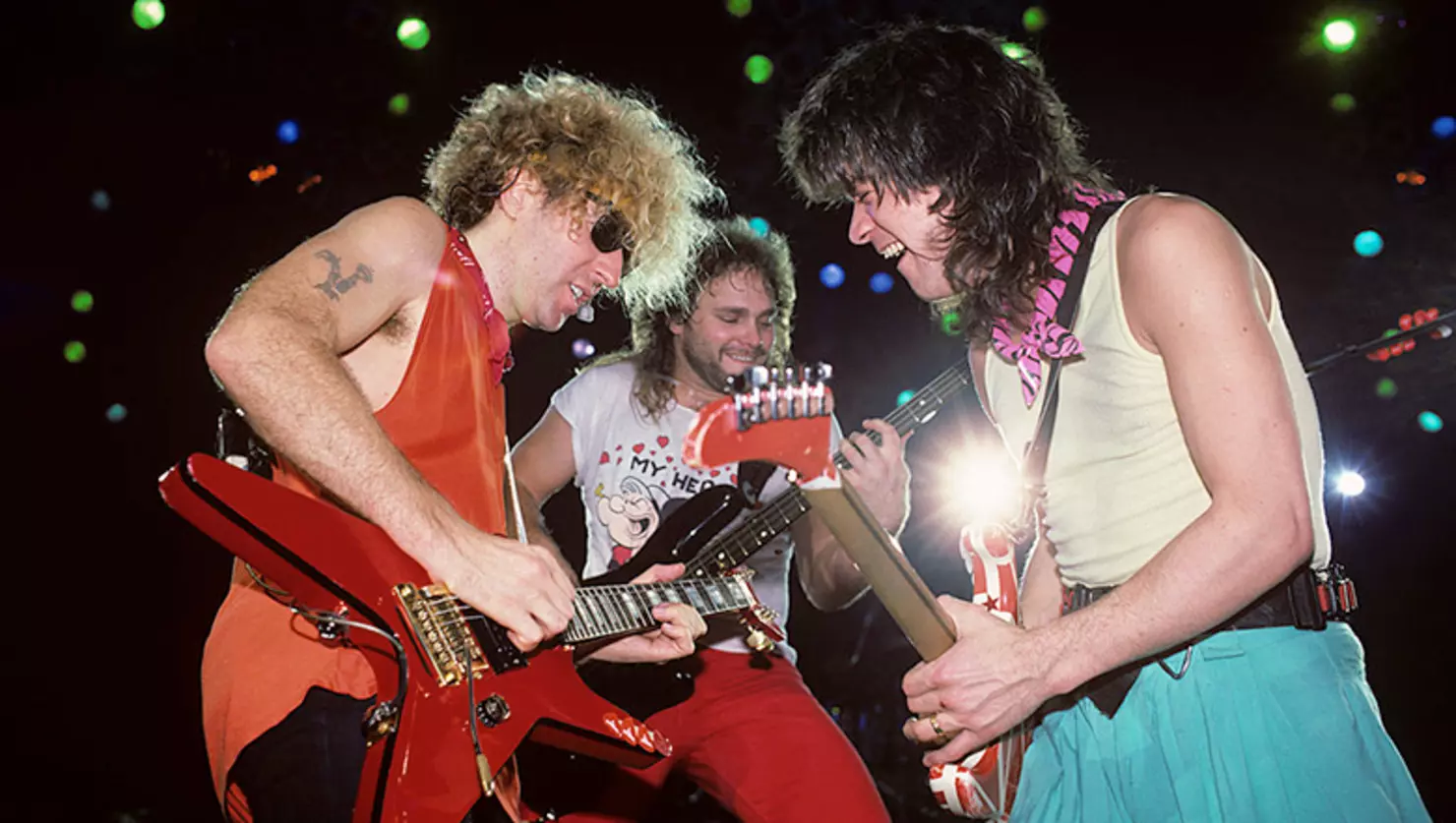
The Van Halen Years: Power Meets Technique (1985–1996)
When he joined Van Halen after David Lee Roth left, a lot of fans expected a simple replacement singer.
What actually happened was a vocal reinvention.
Listen to 5150 and then go back to Montrose. Same singer, but a different instrument.
His tone becomes:
- rounder
- warmer
- more melodic
- less razor-edged
Why? Because the music required it. Eddie’s guitar melodies left space for sustained vocal lines instead of constant high-energy shouting.
Here’s the key point most people miss:
Hagar stopped trying to prove he could sing high… and started focusing on singing long.
Songs like “Dreams” and “Love Walks In” demand breath control, not aggression. You can hear him leaning into diaphragm support instead of throat power. He’s still hitting high notes — sometimes very high — but they’re floating instead of attacking.
This is probably the era where his rock vocal longevity really began.
Late 90s–2000s: The Smart Adjustment Phase
After leaving the band, a lot of singers hit a wall vocally in their late 40s or early 50s.
Hagar didn’t exactly avoid aging — nobody does — but you’ll notice he started transposing keys slightly and reshaping melodies live. Not huge changes. Just enough.
And honestly? This is where experience shows.
He:
- shortened sustained screams
- added grit selectively
- leaned on phrasing instead of range
Some fans think this means he lost range. I don’t totally agree. I think he stopped wasting it. He began singing like someone who wanted to still be touring at 70, not just impressing a crowd in 1986.
That’s a big difference.
Modern Era: A Veteran Rock Voice (2010s–Today)
Here’s the surprising part.
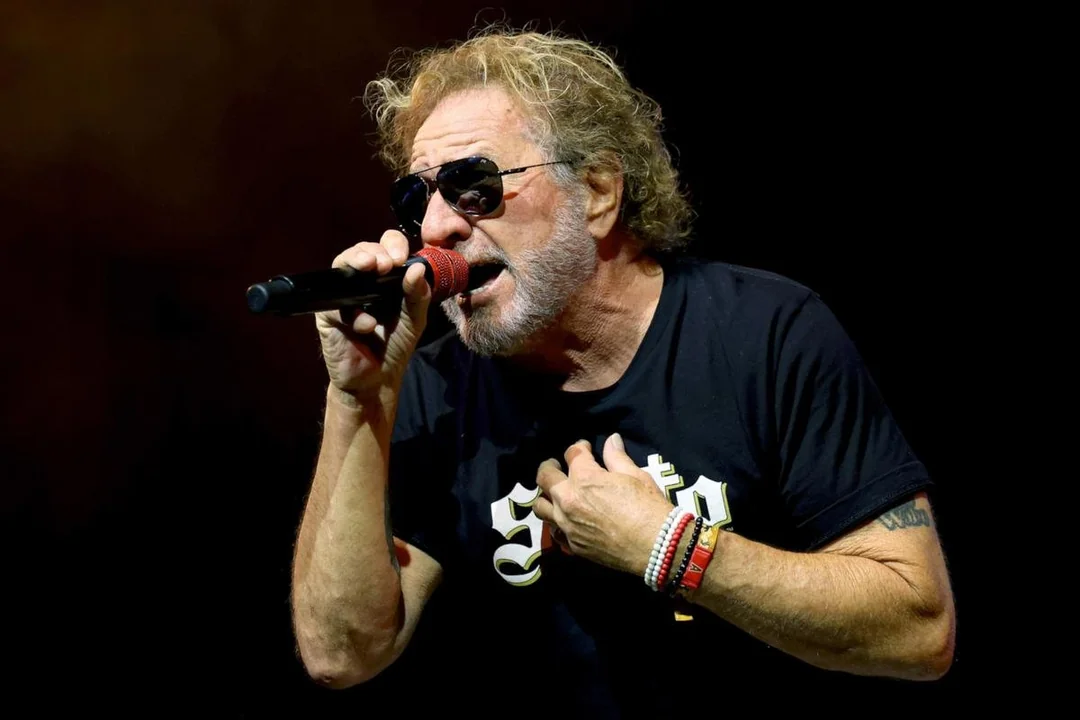
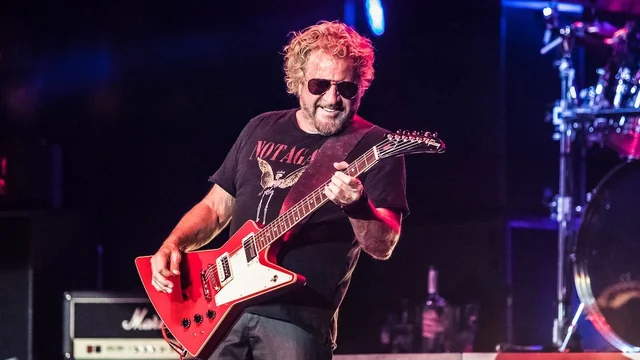
If you watch recent performances with The Circle (Sammy Hagar band), the voice is obviously older — deeper, slightly raspier — but it’s still recognizably him. Not a nostalgia act version. The phrasing is intact.
You’ll notice:
- lower natural speaking tone
- less sustained screaming
- more rhythmic phrasing
- smarter breathing
Most people expect range to disappear with age. What often actually disappears is recovery time. Hagar clearly learned vocal pacing. He spaces songs differently in setlists, talks to the audience strategically, and chooses where to push.
He’s not trying to sing like 1974 anymore.
And oddly… that’s why he still can sing at all.

Why His Voice Lasted (When Many Didn’t)
In my opinion, several things helped preserve the Sammy Hagar vocal longevity:
- He didn’t smoke heavily for long stretches.
- He naturally has a bright tenor placement.
- He adapted his keys over time.
- He sings from breath support now, not throat pressure.
- He tours, but not destructively.
Compare that with many 80s hard-rock singers who stayed locked into original keys every night. Vocally, that’s basically athletic overtraining.
Hagar treated his voice more like a runner treats knees — not invincible, but maintainable.
So Did His Voice Get Worse?
Depends how you define worse.
If you want the 25-year-old scream? Yes, that version is gone.
If you want a recognizable, still-musical rock singer in his 70s? He’s actually one of the better examples in classic rock.
Most people find that his tone aged, but his identity didn’t.
And honestly, that might be the real achievement.
Final Thought
Rock music often worships youth — high notes, loud volume, endless energy. But listening across decades, you start hearing something different. A voice isn’t just a sound; it’s a timeline.
Hagar’s early voice was excitement.
His middle voice was power.
His current voice feels… human.
And maybe that’s why fans still connect with him. Not because he sings exactly like he used to — but because he didn’t disappear when he couldn’t.
In a weird way, you grow older alongside the singer. The songs stay the same, but the meaning shifts. You stop listening for how high he can sing, and start appreciating that he’s still up there singing at all.