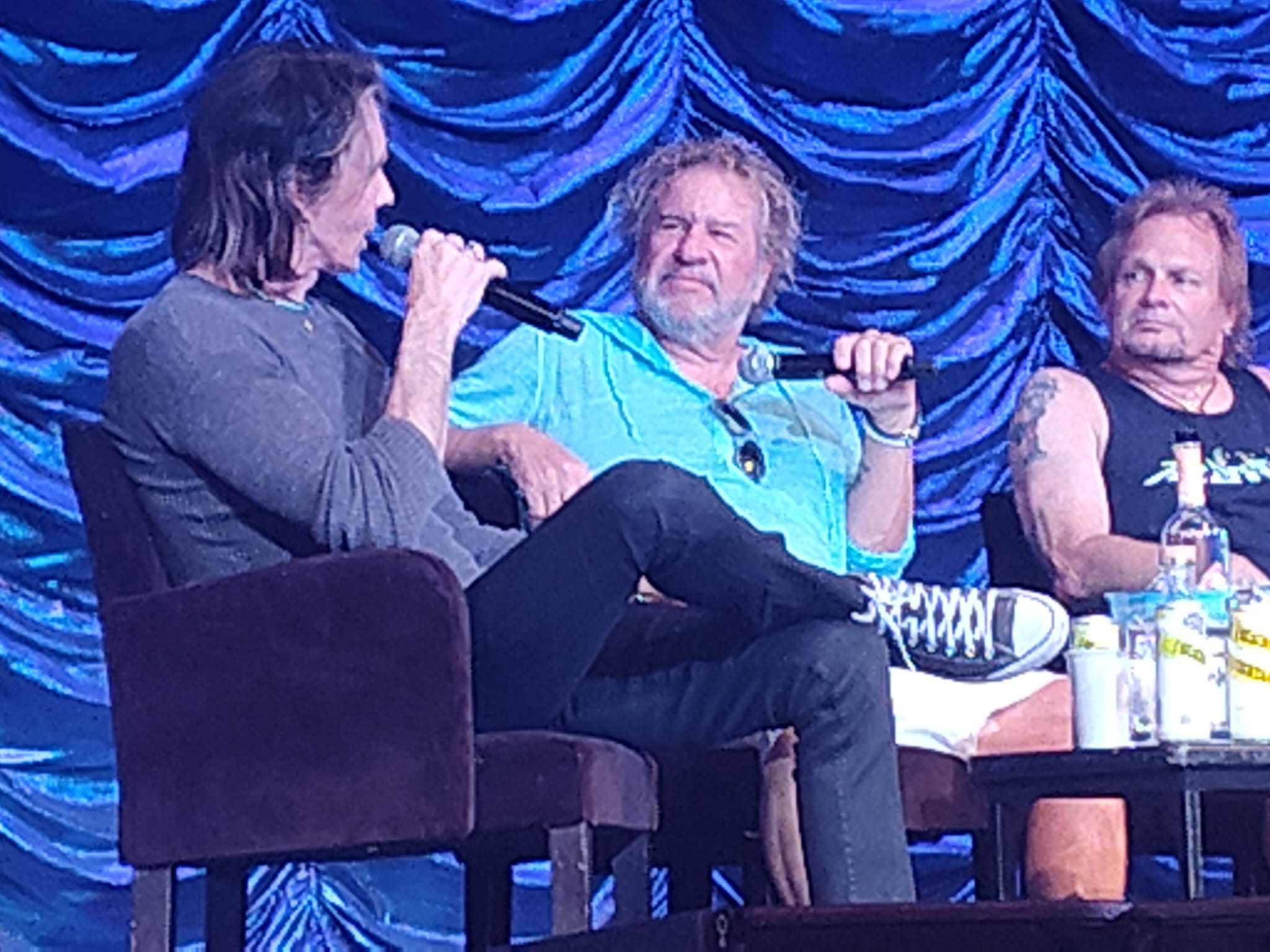
If you follow Sammy Hagar long enough, you start noticing a pattern. The guy doesn’t retire from bands — he wanders into new ones. Almost by accident. It happened after Montrose, after Van Halen, after Waboritas… and then, kind of unexpectedly, came Chickenfoot.
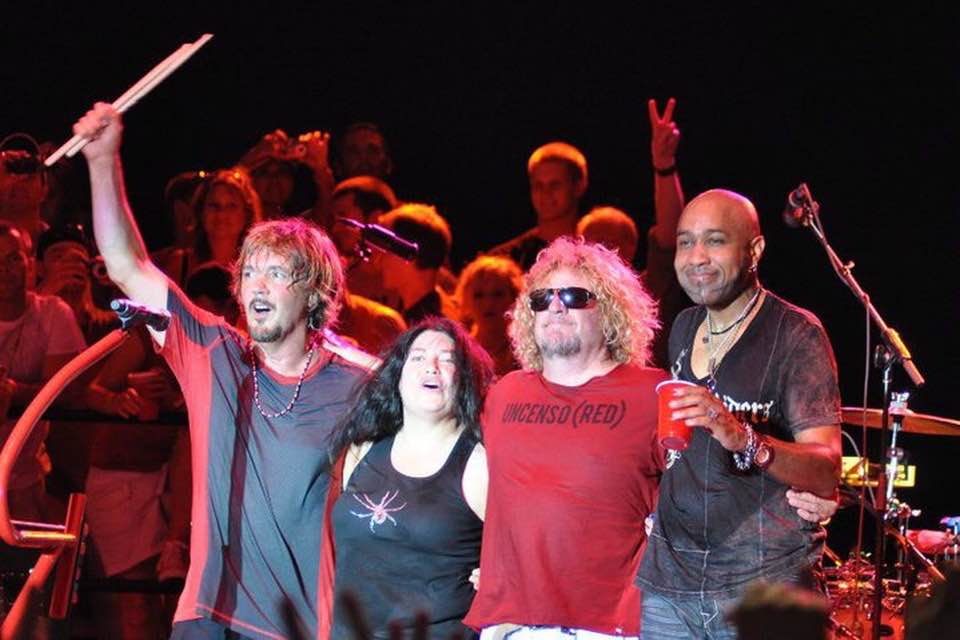
Truth be told, nobody in rock really expected this project to work. “Supergroups” usually sound better on paper than in speakers. Big names, big hype, one album, then awkward silence. Most people can probably list more failed supergroups than successful ones.
Chickenfoot… wasn’t one of those.
It actually felt like four musicians discovering they were having fun again.
How Chickenfoot Actually Started (It Wasn’t a Business Plan)
The origin story is very un-rock-star, honestly. There was no label meeting, no calculated branding. It started around 2008 during birthday jam sessions at Cabo Wabo Cantina in Mexico — Hagar’s place. Musicians were just showing up and playing for fun. That’s it.
And the lineup slowly clicked together:
- Sammy Hagar – vocals
- Joe Satriani – guitar
- Michael Anthony – bass
- Chad Smith – drums
You’ll notice immediately why people raised eyebrows.
Hagar and Anthony were already linked through Van Halen. Chad Smith was actively in Red Hot Chili Peppers. Joe Satriani, meanwhile, wasn’t even a “band guy” — he was a world-class instrumental guitar solo artist. Not a typical hard-rock rhythm player.
On paper, it shouldn’t have gelled. Different styles, different habits, different touring schedules.
But here’s the thing — they weren’t trying to prove anything. In my experience, that matters more than talent sometimes. When musicians stop chasing charts, the music relaxes. Chickenfoot sounded relaxed.
Why the Name “Chickenfoot”?
This part is funny.
They never planned a name. During early rehearsals, they were joking that the band didn’t fit any category. Not classic rock, not metal, not jam band. Someone (depending on which interview you hear) joked it was like a random footprint — a “chicken foot.”
The name stuck… mostly because no one could think of anything better.
And honestly? It fit the vibe. Unserious, a little goofy, not corporate.
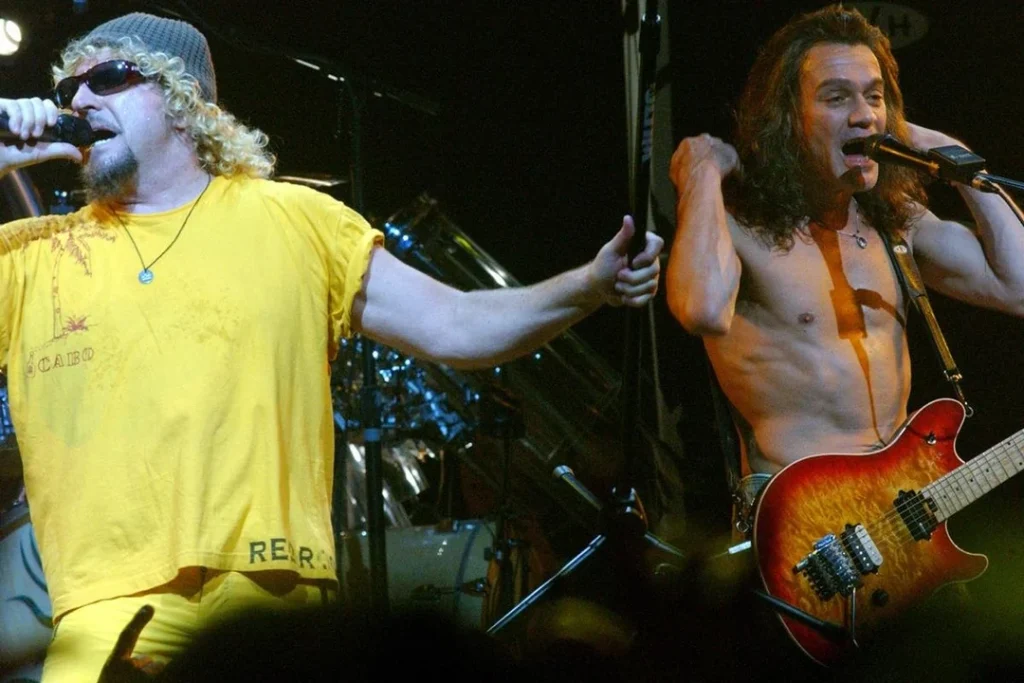
The First Album (2009) — A Surprise Success
Their debut album, Chickenfoot (2009), is where people realized this wasn’t just a jam project.
The single “Oh Yeah” and especially “Big Foot” showed something important:
this wasn’t a nostalgia act.
You could hear Van Halen energy in the rhythm section — that tight Michael Anthony bass and backing vocal harmony — but Joe Satriani changed everything. Instead of copying Eddie Van Halen’s style (which would have been a disaster), Satriani played more melodic and bluesy. Cleaner. Wider.
For most people, the shock was hearing Satriani play inside songs instead of above them.
He wasn’t shredding constantly. He was supporting vocals.
And Hagar? He sounded comfortable. Maybe even relieved. After years of comparisons to David Lee Roth, Chickenfoot was the first band where he didn’t have to replace anyone.
It was his band — but also not his band.
Why Fans Connected With Chickenfoot
Here’s something fans picked up quickly.
This didn’t feel like a contract band. You’ll notice the interviews were relaxed. They joked constantly. Live performances weren’t overly rehearsed. Sometimes songs stretched, sometimes they got messy, but the chemistry was real.
And rock audiences can sense that.
The big difference from late-era Van Halen was the atmosphere. Chickenfoot didn’t feel tense. It felt like four friends playing because they wanted to.
Songs like:
- Learning to Fall
- Sexy Little Thing
- Down the Drain
weren’t chasing radio trends. They were straight hard rock revival — riffs, groove, hooks, and vocal melody. Very organic rock music, honestly.
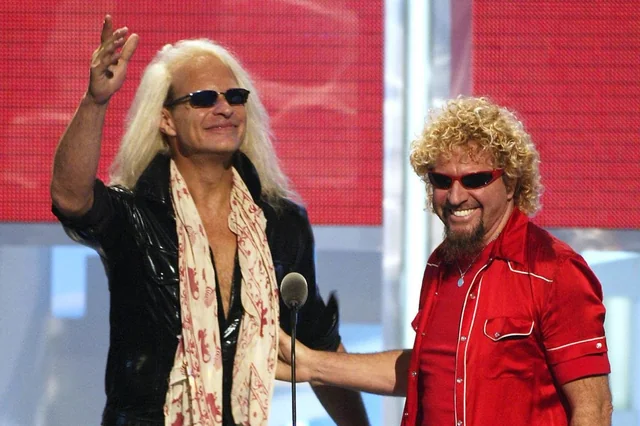
Chickenfoot III (2011) — Yes, “III” Was Intentional
They skipped “II” just to mess with people.
I’m not kidding.
Their second album was titled Chickenfoot III. Hagar said it was because fans would spend years searching for the missing second album. Half joke, half marketing prank.
Musically, though, this was actually their strongest record.
Joe Satriani’s guitar tone got heavier. Chad Smith’s drumming was looser and funkier. And Hagar leaned deeper into blues rock vocals. Tracks like “Different Devil” and “Alright Alright” showed a band more confident than nostalgic.
In my opinion, this is when Chickenfoot stopped being a “supergroup” and became an actual band.
Why Chickenfoot Slowed Down
People sometimes ask: Did Chickenfoot break up?
Not really. It depends how you define a breakup.
The real issue was scheduling. You had:
- a Chili Peppers drummer
- a touring guitar virtuoso
- Hagar’s solo tours
- and multiple business ventures
Getting four busy adults in one room for months is harder than recording the album itself.
By 2016 they released Chickenfoot IV (an EP/collection), but by then everyone’s careers had expanded again.
So Chickenfoot quietly went into what musicians call “indefinite hiatus.” No drama, no feud — just life.
Why Chickenfoot Matters in Rock History
This part often gets overlooked.
Chickenfoot proved something important about Sammy Hagar’s career: he wasn’t dependent on Van Halen. For years, critics framed his success around that band. But Chickenfoot showed he could still front a serious rock group decades later.
It also gave Michael Anthony a chance to play freely again — and fans loved hearing his backing vocals return prominently.
And Joe Satriani?
He gained something he rarely had before: a hit rock band audience, not just guitar enthusiasts.
The Real Legacy
Chickenfoot didn’t dominate charts. It didn’t reshape rock music.
But it did something maybe more valuable — it showed aging rock musicians could still create authentic, energetic music without pretending to be 25 again.
The band never tried to modernize itself artificially. No electronic beats, no pop crossover, no forced image reboot.
Just guitars. Bass. Drums. Voice.
And honestly… that’s probably why fans still talk about it.
Because sometimes rock history isn’t about the biggest band.
Sometimes it’s about the band that felt the most human — four musicians rediscovering why they started playing in the first place.
If you listen to Chickenfoot today, you don’t really hear a supergroup.
You hear relief.
And maybe that’s the real story: not a comeback, not a rivalry, not a legacy battle — just a few lifelong musicians proving that making music with friends might be the only success that still matters once fame stops being the goal.